
Last updated November 24, 2026
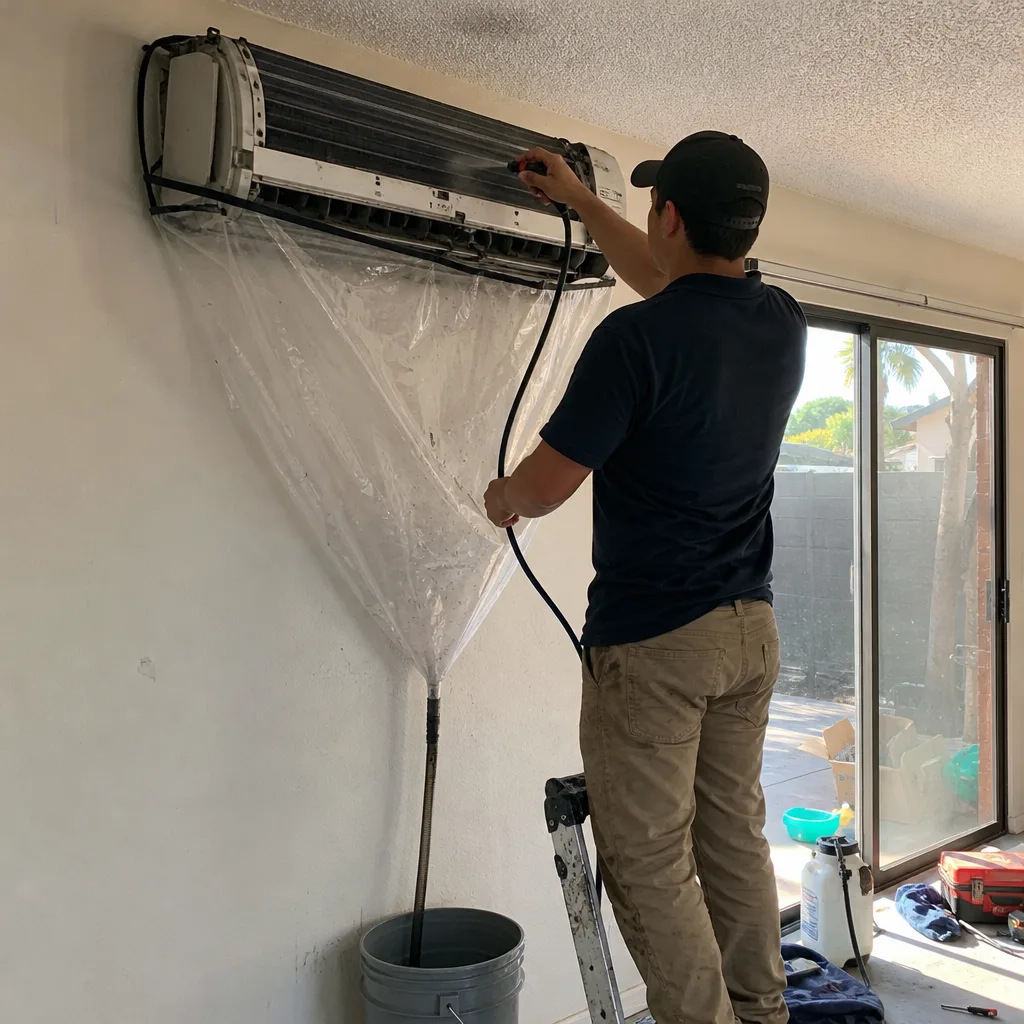
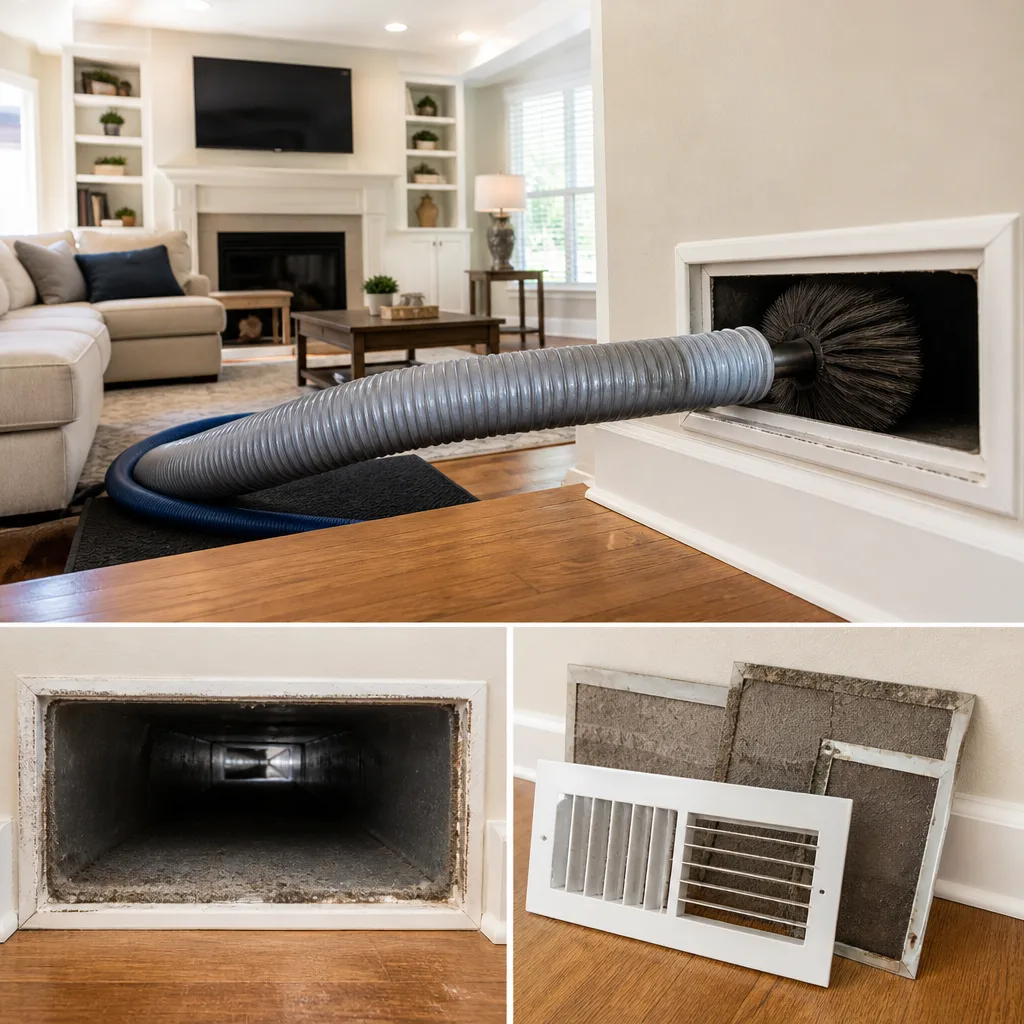 Whole-home duct cleaning
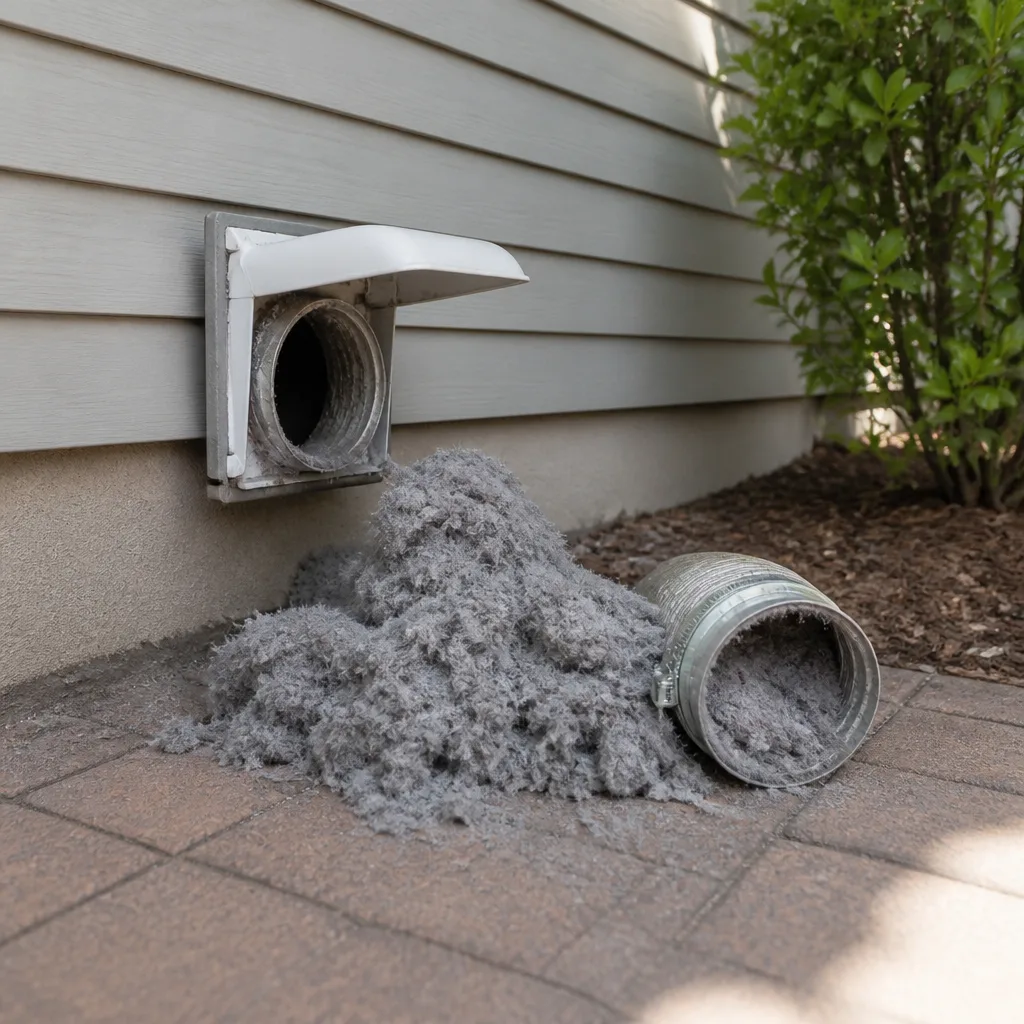 Dryer vent cleaning
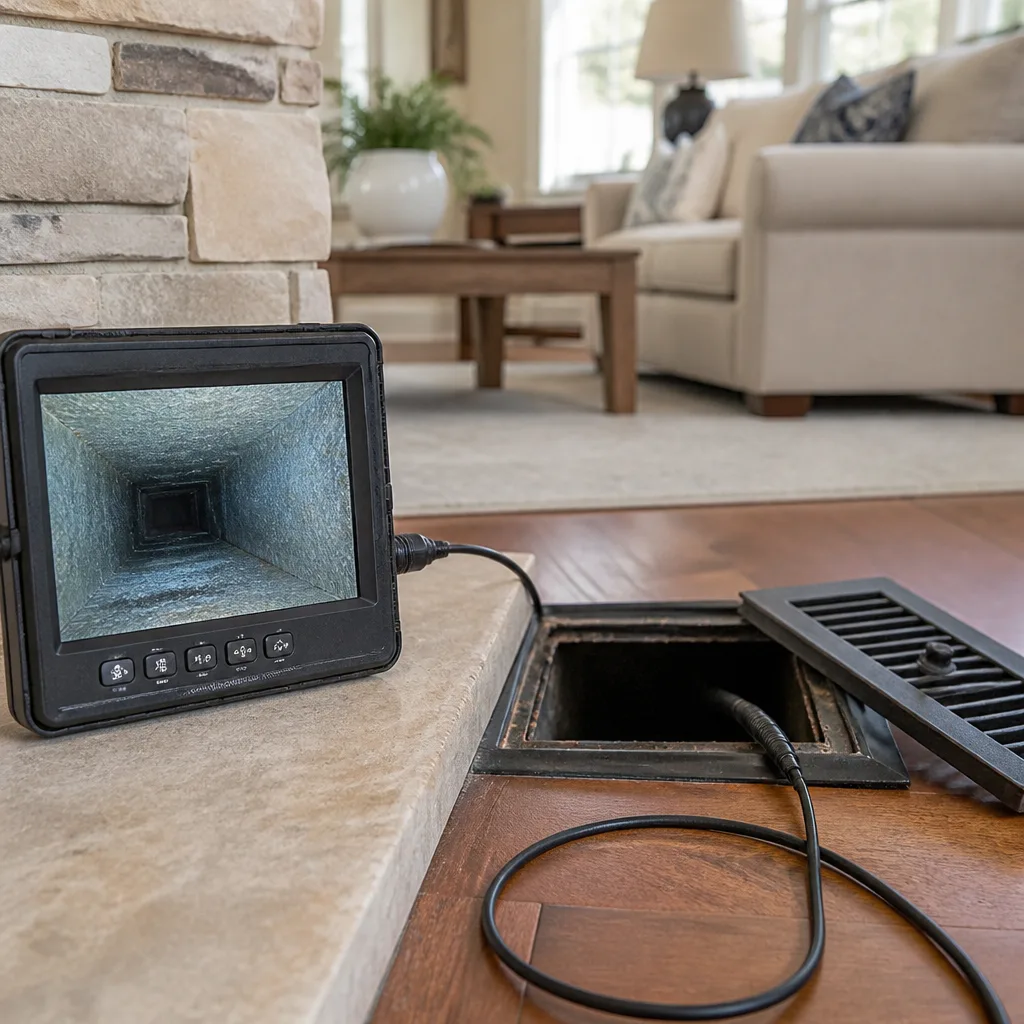 Camera inspection
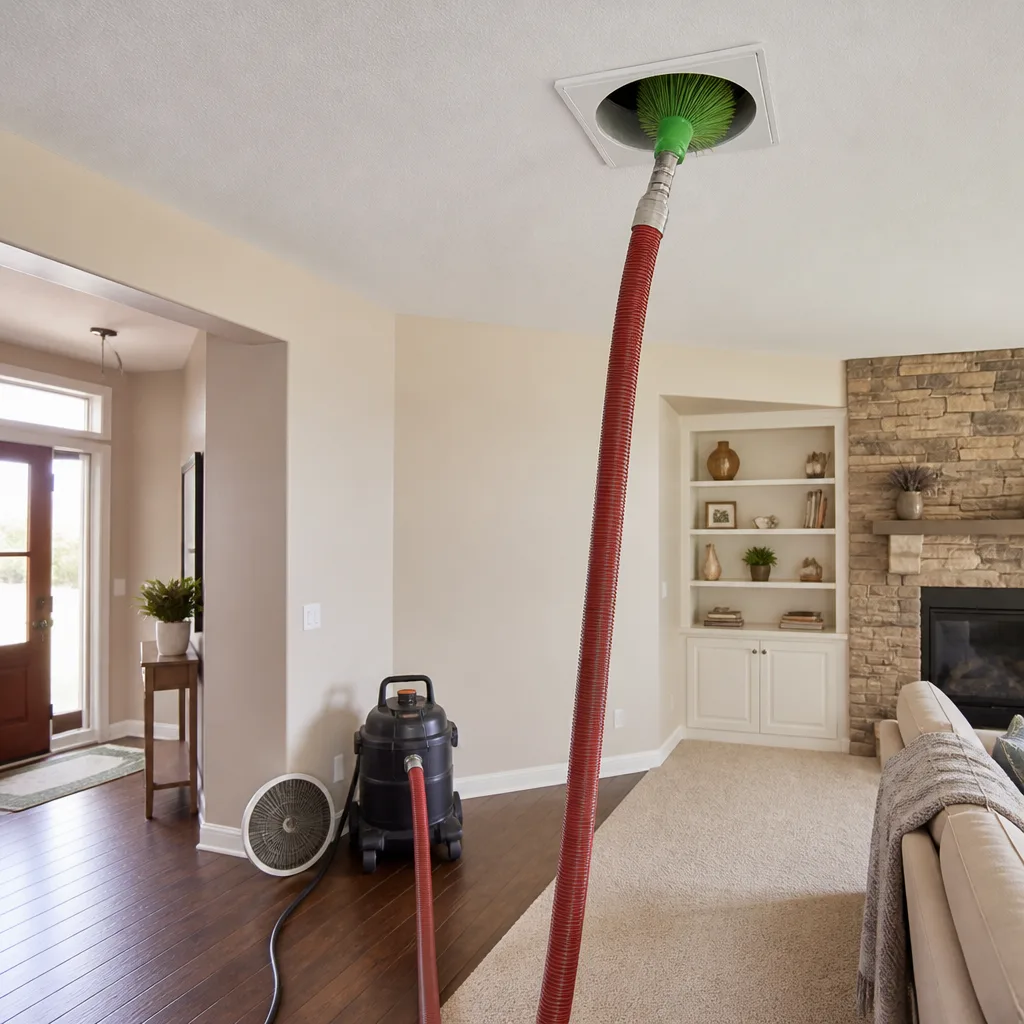 Sanitizing & deodorizing
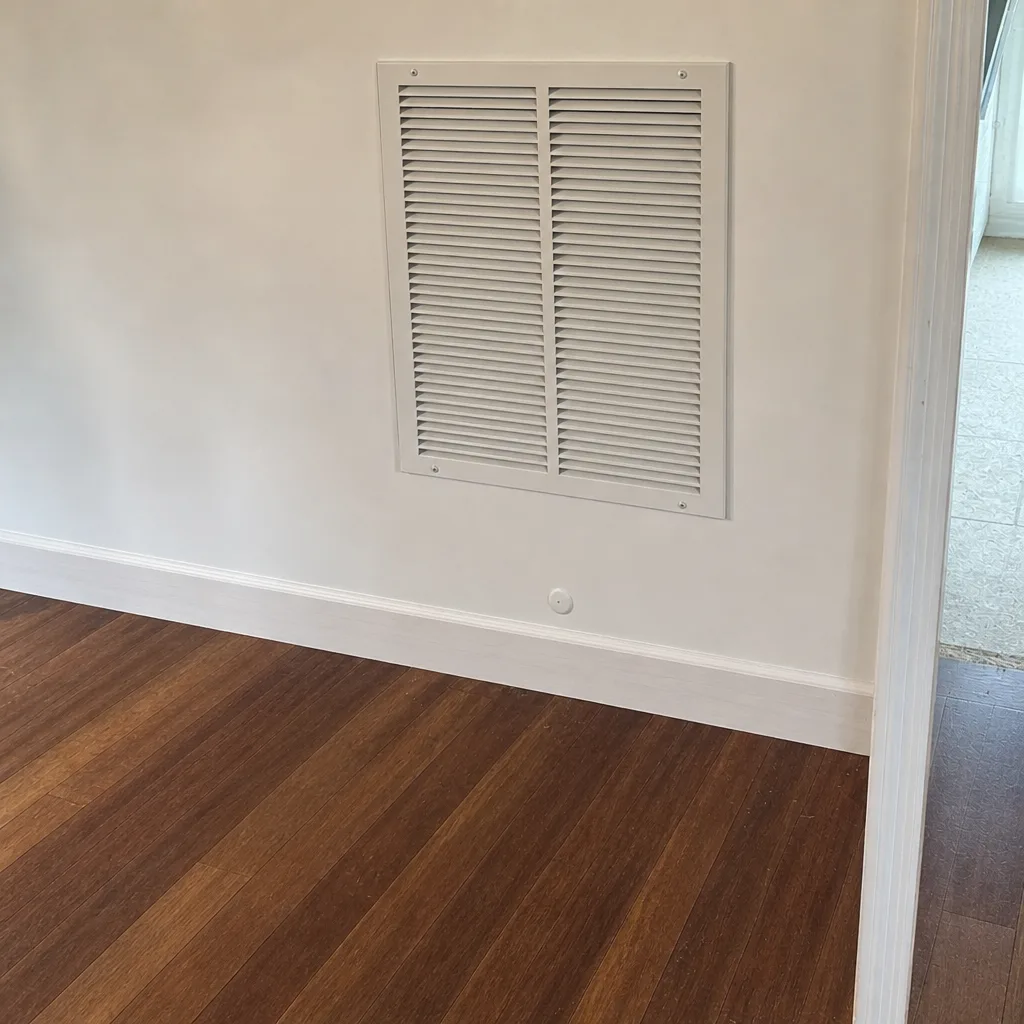
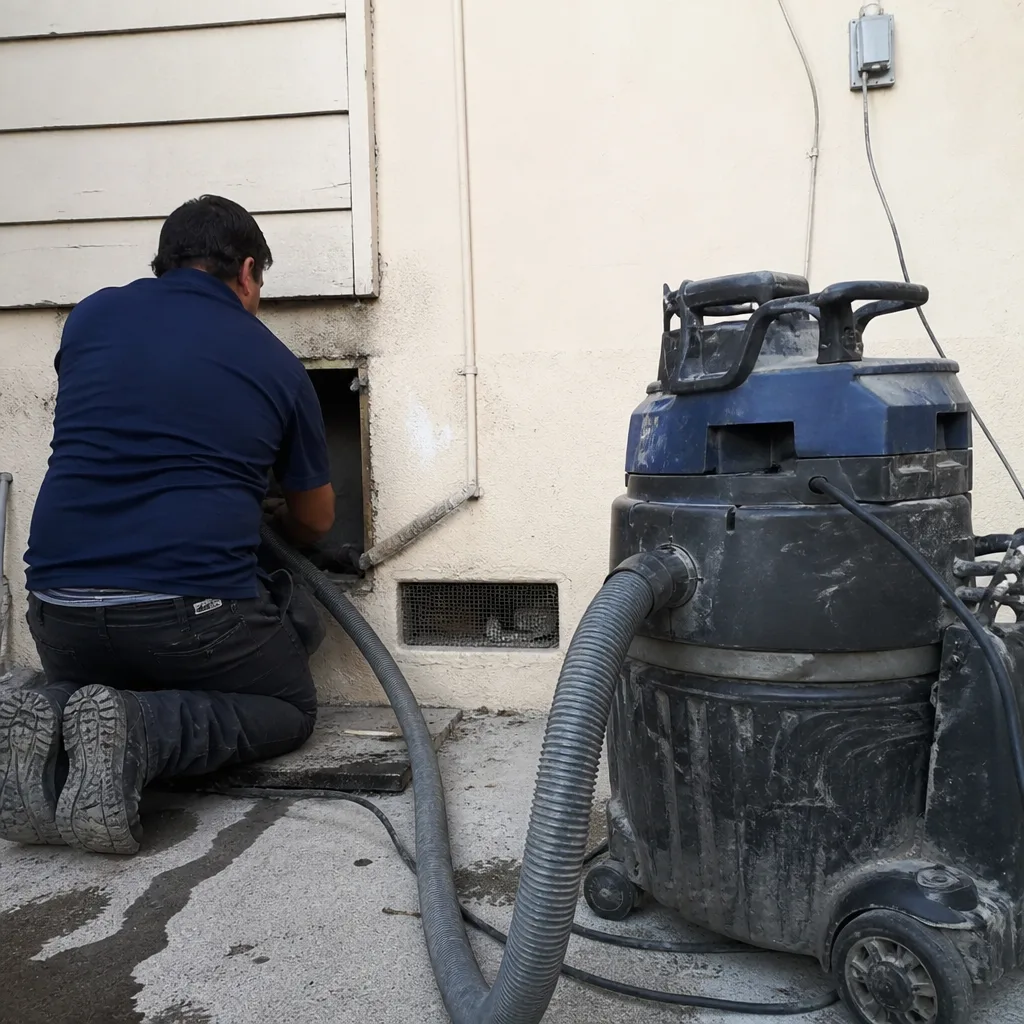
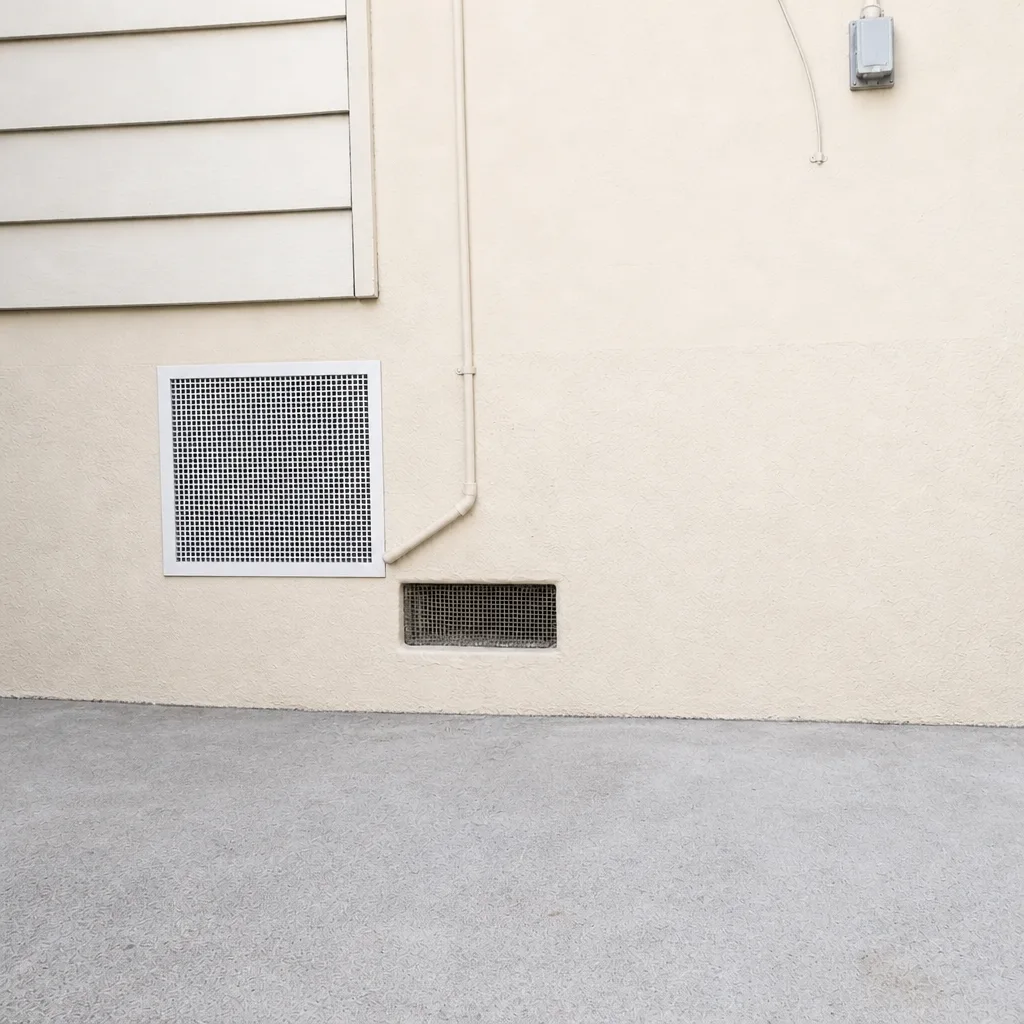
Whole-system duct and dryer vent check with before-and-after photos - you see exactly what came out of your vents
That "$99 whole-house special" is a bait ad - the real number appears once they are in your hallway, or the "clean" is a shop-vac at the register. We photograph the inside of your ducts before and after instead.
How to Hire an Air Duct Cleaning Contractor in Downtown Santa Ana: A Step-by-Step Guide
The most dangerous bid you’ll get isn’t the highest one. It’s the $99 special that sends a crew with a single vacuum hose and no plan for your return registers, running negative pressure through a system nobody sealed first. Do that in a Downtown Santa Ana home or loft and you can pull years of settled dust off the duct walls and push it straight back into the rooms you live in. In this guide we’ll walk you through the technical questions that expose that kind of crew before they arrive, show you how to read licensing and trade credentials, and hand you a written-scope template so you can hold any contractor to full-system completion. You’ll finish with a vetting framework you can use on the next three quotes you collect in Downtown Santa Ana.
Quick Answer
To hire an air duct cleaning contractor in Downtown Santa Ana, verify three things before you book: the equipment (a truck-mounted or portable vacuum with real airflow, a branded rotary brush system, and multi-stage HEPA filtration), the credential (an active California contractor license with the right classification for any repair or sealing work), and the scope (a written, flat-rate whole-system proposal covering supply, return, and the air handler – not per-vent pricing). Ask for before-and-after photos of your own ducts, not stock images.
Styles & brands we work with
- Whole-home duct cleaning
- Dryer vent cleaning
- Camera inspection
- Sanitizing & deodorizing
Table of Contents
- Step 1: Know What “Full-System” Actually Means
- Step 2: The Five Equipment Questions to Ask Before Booking
- Step 3: How to Read NADCA Membership – and What It Doesn’t Guarantee
- Step 4: Why California C-20 Licensing Matters Beyond Cleaning
- Step 5: Red Flags in Quotes – Per-Vent vs. Flat-Rate
- Step 6: How to Write a Scope of Work You Can Enforce
- Step 7: Downtown Santa Ana Context – Housing Stock, Airflow, and Climate
- Step 8: The On-Site Verification Checklist
Step 1: Know What “Full-System” Actually Means
Most homeowners assume “air duct cleaning” means someone runs a brush through every vent in the house. In practice, a lot of low-bid crews do exactly that and nothing more. A full-system cleaning addresses every component that air passes through on its way from the return grille back to your living room. That means the return plenum, the supply trunk, every branch run, the interior of the air handler cabinet, the evaporator coil face, and the blower wheel.
Here’s what a full-system scope includes when it’s done right:
- Return side: main return plenum, return branch ducts, and the grille frame itself.
- Supply side: trunk line, every branch run to its boot, and the register face.
- Air handler: blower compartment, blower wheel, drain pan, and coil (surface cleaning only – the coil isn’t disassembled).
- Containment: plastic or paper containment at registers while work is in progress so dust doesn’t migrate into the room.
- Verification: before-and-after photos or video at the trunk and at a sample of branch runs.
If a quote you receive in Downtown Santa Ana only mentions “all vents” and nothing about the plenum, the trunk, or the air handler, you’re being sold a surface-level service. Ask for the scope in writing with those components listed explicitly. For our own Air Duct Cleaning Downtown Santa Ana work, that full-system scope is what we quote, because a brush run through branch boots alone does almost nothing for the air quality in an older unit where the trunk line collects the bulk of settled debris.
Step 2: The Five Equipment Questions to Ask Before Booking
This is where vetting becomes concrete. You don’t need to know how to run a vacuum truck – you need to ask five specific questions and listen to how the person on the phone answers. A capable contractor answers in specifics and names their equipment. A commodity crew gets vague or changes the subject.
- “What vacuum system do you use, and what’s its rated airflow?” A professional duct cleaning vacuum is built for sustained negative pressure in the 1,500 to 4,000 CFM range for a portable unit, higher for a truck-mount. If the crew can’t tell you the brand or the rough airflow, they’re running a shop vac with a filter bag. That’s not duct cleaning – that’s a dust storm with a hose attached.
- “What brush or agitation system do you use?” Rotary brush systems from brands like Rotobrush are the industry standard for flexible branch runs because they agitate debris off the duct wall rather than just sucking at the surface. Ask the brand. Nikro makes compatible rotary tooling and HEPA vacuums as well.
- “What filtration stage does your vacuum run?” The vacuum pulls air out of your ducts and exhausts it into the room. That exhaust must pass through HEPA filtration – typically multiple stages – or you’re cycling fine particulate back into the space. Ask how many stages and whether HEPA is one of them.
- “Do you use containment at the registers during cleaning?” A crew without containment is a crew that will leave a fine film on your furniture. Containment at each open register while work proceeds is standard practice, not an upsell.
- “What sanitizing or air quality products do you use, if any?” If the answer includes brand names you’d recognize from HVAC – Honeywell, Aprilaire, or Abatement Technologies for containment and air-quality tooling – that’s a sign of a contractor operating at a professional tier, not a hobbyist with a hose.
You’ll notice a theme: brands. Rotobrush and Nikro show up on professional equipment lists because they’re built for this trade and not for garages. Abatement Technologies tooling signals that a contractor can handle contamination-level work, not just routine maintenance. When a crew names their equipment plainly, they’ve invested in it.
Step 3: How to Read NADCA Membership – and What It Doesn’t Guarantee
NADCA (the National Air Duct Cleaners Association) is the trade body that publishes the ACR – the Assessment, Cleaning, and Restoration standard most professional contractors work from. A NADCA member has agreed to work to that standard and has at least one person on staff who has passed the association’s certification exam. That’s meaningful. It is not a guarantee of quality on any specific job, and it is not a California license.
Here’s how to weight it:
- What NADCA membership tells you: the contractor knows the ACR standard exists, has at least baseline training, and has chosen to be accountable to an industry body. Most commodities haven’t bothered.
- What it doesn’t tell you: whether the crew that shows up at your door is trained, whether the equipment is maintained, or whether the scope you were quoted will actually be performed. Membership is a company-level credential, not a job-level one.
- What to ask: “Who on your crew is NADCA-certified, and will they be on-site for my job?” If the answer is “the office manager,” that’s the honest answer – plan accordingly.
You can verify current membership through NADCA’s public directory. Cross-check the company name against the directory listing and note the expiration date – lapsed memberships are common in this trade. For the duct repair and sealing side of the work, NADCA membership doesn’t replace a California contractor license, which we’ll get to in the next section.
Step 4: Why California C-20 Licensing Matters Beyond Cleaning
Cleaning a duct system is one thing. Cutting into it to repair a crushed run, seal a leaking joint, or reconnect a boot that’s separated from the floor register is construction work. In California, that work falls under the C-20 Warm-Air Heating, Ventilating and Air-Conditioning Contractor license, issued by the Contractors State License Board.
Here’s the distinction that matters when you’re collecting quotes in Downtown Santa Ana:
- Cleaning only: a duct cleaning service can operate without a C-20 in many cases, because it’s maintenance rather than construction. That’s why so many low-bid crews exist.
- Repair and sealing: once the work involves cutting into ductwork, sealing joints with mastic or tape systems, or replacing flex duct runs, most jobs require a licensed contractor. A C-20 is the classification that covers this work.
- The combined service: if a contractor offers cleaning and repair and sealing, they should be able to show you their C-20 or tell you plainly that the repair portion is subcontracted to a licensed contractor. Either answer is fine. “We do it all, no license” is not.
You can verify a California contractor license, its classification, and its current status for free on the CSLB website. That takes about two minutes and it’s the single best vetting step in this entire guide. When you’re evaluating a quote for air duct cleaning that includes any repair or sealing component, check the license before you book. It costs you nothing and it protects you against the most common form of complaint in this trade: unlicensed operators taking deposits and vanishing.
Step 5: Red Flags in Quotes – Per-Vent vs. Flat-Rate
The pricing structure of a quote tells you almost everything about the scope behind it. Two contractors can each say “$400” to clean your ducts and one is quoting a full-system job while the other is quoting a branch-run tick-box exercise. The structure is what reveals the difference.
Per-Vent Pricing – What It Signals
A per-vent price (“$35 per register, however many you have”) is almost always a symbol of a scope that stops at the register boot. The crew isn’t being paid to clean the trunk line, the plenum, or the air handler cabinet – those components don’t have vents attached, so they don’t generate revenue. The result is a price that starts low and stops at the branch runs, leaving the largest debris reservoirs untouched. It’s not a scam, exactly. It’s a scope mismatch dressed up as a bargain.
Flat-Rate Whole-System Pricing – What It Signals
A flat rate for the whole system (“$X for the system, regardless of register count within a typical range”) signals that the contractor is being paid for the outcome, not the vent count. That structure only works if the scope includes the trunk, the plenum, and the air handler, because otherwise the flat rate doesn’t cover the labor the contractor is committing to. Ask specifically what’s included and get it in writing – a flat rate that turns out to be branch-runs-only is a per-vent price with better marketing.
In our experience, quotes that arrive in writing, on a form with a scope section, are the ones that perform the full scope. Quotes delivered verbally over the phone with a “we’ll figure out the details” caveat almost never do.
Step 6: How to Write a Scope of Work You Can Enforce
This is the step most homeowners skip, and it’s the one that protects you when the crew shows up and starts cutting corners. You don’t need a lawyer to write a scope of work. You need one page with the following sections, filled in before anyone books your job.
- Components to be cleaned: list them explicitly – supply trunk, return trunk, plenum, branch runs (state the count), air handler cabinet, blower wheel, evaporator coil face. Any component left off the list is a component you’re accepting won’t be touched.
- Equipment to be used: vacuum brand and rough CFM, brush/agitation system brand, filtration stages. This is the “keep them honest” section – if the equipment that arrives doesn’t match the quote, you have grounds to stop the work.
- Containment method: what’s used at open registers and how dust is managed during work.
- Repair and sealing component (if any): what’s being sealed or repaired, with what materials. Mastic, mesh, tape systems – get the specification in writing.
- Sanitizing products (if any): brands and application method (fogger, wipe, spray).
- Verification and documentation: before-and-after photos of your own ducts, delivered to you after the job, and a written summary of what was found and what was done.
- Price and payment terms: the flat rate, when it’s due, and what triggers any adjustment (a broken duct discovered mid-job is the standard example – the contractor should quote the repair separately in writing before proceeding, not after the fact).
Hand this scope to every contractor you’re comparing. The ones who balk are the ones who don’t want to be held to it. The ones who sign it back with their own additions are the ones worth your deposit. This is also the section where a contractor offering HVAC cleaning alongside duct cleaning becomes valuable – one scope, one accountable contractor for the entire air system, one signature.
Step 7: Downtown Santa Ana Context – Housing Stock, Airflow, and Climate
Downtown Santa Ana isn’t a typical duct-cleaning market. The housing stock here is older than most of Orange County’s suburbs, and a lot of it has been converted, re-zoned, and retrofitted over multiple decades. A Victorian bungalow two blocks off Fourth Street has a duct layout that bears no resemblance to a loft in the East End or a mid-century fourplex in French Park. This matters for cleaning because the ductwork in older homes is often the original galvanized sheet metal, sometimes with asbestos-era insulation, sometimes with flex duct retrofitted through a crawl space or attic that wasn’t designed for it.
What this means for your scope:
- Original galvanized ductwork: sheet metal develops leaks at seams and joints over years. Cleaning without sealing means the clean air you just paid for leaks out before it reaches your rooms. The sealing side of hvac cleaning (when combined with duct repair) is what keeps the result.
- Retrofitted flex runs: flex duct sags, crimps, and tears. A crew that doesn’t inspect flex runs for kinks before cleaning is a crew that will miss the crushed sections entirely. Ask whether they inspect the run before cleaning it.
- Attic air handlers: many Downtown Santa Ana homes have air handlers in attics that get very hot. The heat accelerates degradation of flex duct and mastic seals. An annual walk-through – not necessarily annual cleaning, but annual inspection – catches most of the issue.
- Window units and mini-splits: these don’t have ductwork and don’t need duct cleaning. Don’t let a sales rep talk you into duct cleaning for a home that doesn’t have ducts. That happens more often than you’d think in newer Downtown Santa Ana conversions.
Southern California’s mild climate actually creates a subtle issue: air conditioners run less here than in hotter inland zones, which means dust settles in ducts between cycles and doesn’t get pushed out as often. Ducts in Downtown Santa Ana can accumulate for years without triggering the kind of visible airflow drop that would flag the problem in a hotter market. If you’ve been in the same home for a decade and never had the ducts cleaned, the odds are high that it’s overdue.
Step 8: The On-Site Verification Checklist
The last line of defense is what you check when the crew arrives and before they leave. A contractor who does what they promised won’t mind you asking. A contractor who doesn’t will find a reason.
- Confirm the equipment matches the quote. Look at the vacuum housing for a brand name. Rotobrush and Nikro units are labeled clearly. If the branded truck-mount you were sold turns out to be a portable shop vac, that’s your cue to pause.
- Watch the containment go in. Containment at registers should be installed before the vacuum starts running. If the crew starts pulling air without containment in place, ask them to stop and set up first.
- Walk the trunk line inspection with them. Ask to see the before photos of the trunk line and at least one branch run. Any crew that balks at this isn’t confident in what they’ll find.
- Check the after photos before signing. The trunk line and branch runs should visibly differ from the before shots. Different lighting, different camera angles, or a suspicious lack of clarity are reasons to ask for a re-shoot.
- Ask for the written summary. What was cleaned, what was found, what was repaired, and with what equipment. This becomes your record for the next contractor.
If the system includes a dryer vent that’s connected to the same utility chase, ask whether the crew can service it in the same visit. Dryer vents are a fire risk, not a maintenance checkbox – the lint trap doesn’t catch everything and the vent run behind the dryer does the rest. Having dryer vent cleaning done alongside the duct work in a single visit is one call instead of two, and it lets the crew survey both systems with the same eyes.
Common Mistakes to Avoid
- Booking the $99-per-vent special without asking what’s included. The price is only meaningful once you know the scope. A $99 quote that covers branch runs but leaves the trunk and air handler untouched costs more than a $450 quote that covers everything, because you’ll pay for the full job twice.
- Accepting a verbal scope. If it isn’t written, it doesn’t exist. A contractor who says “we’ll do the whole system” over the phone and can’t put it on a form is a contractor you’ll be arguing with in two weeks.
- Skipping the CSLB license check on repair and sealing work. Duct cleaning alone doesn’t always require a C-20, but cutting, sealing, or reconnecting ducts does. Verify the license before you sign for combined work.
- Assuming NADCA membership means the crew on-site is certified. Membership is a company-level credential. Ask who on the crew is trained and whether they’re on your job.
- Not asking for before-and-after photos of your own ducts. Stock photos and “similar job” images are the most common evidence substitute in this trade. Your ducts are what matters.
- Getting the ducts cleaned without addressing leaks. Clean ducts in a leaking system go back to leaking dirty air within weeks. If the contractor doesn’t offer repair and sealing, or can’t refer you to someone who does, you’ve only done half the job.
- Scheduling duct cleaning in a downtown loft with no ducts. Verify your home has central air with ductwork before booking. Window units and mini-splits don’t qualify, even if a sales rep insists otherwise.
See the difference
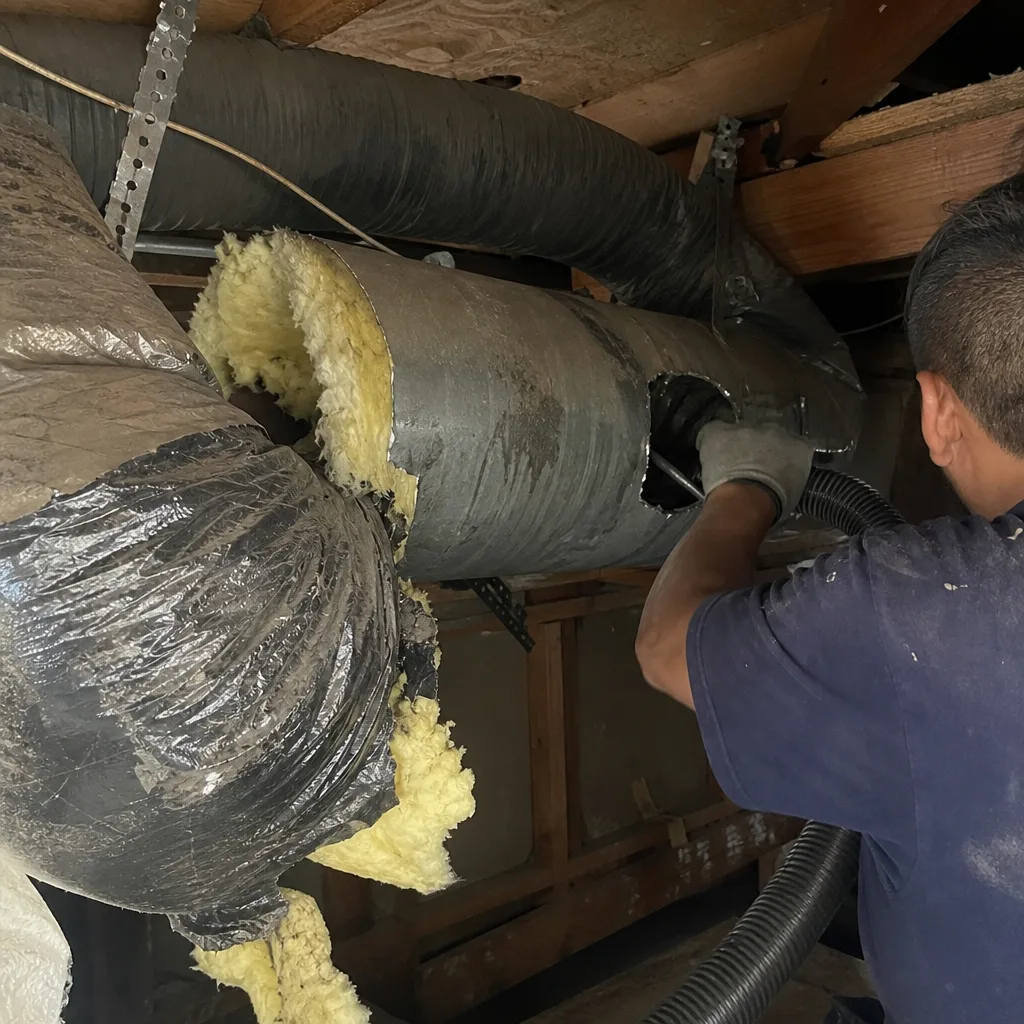 Before
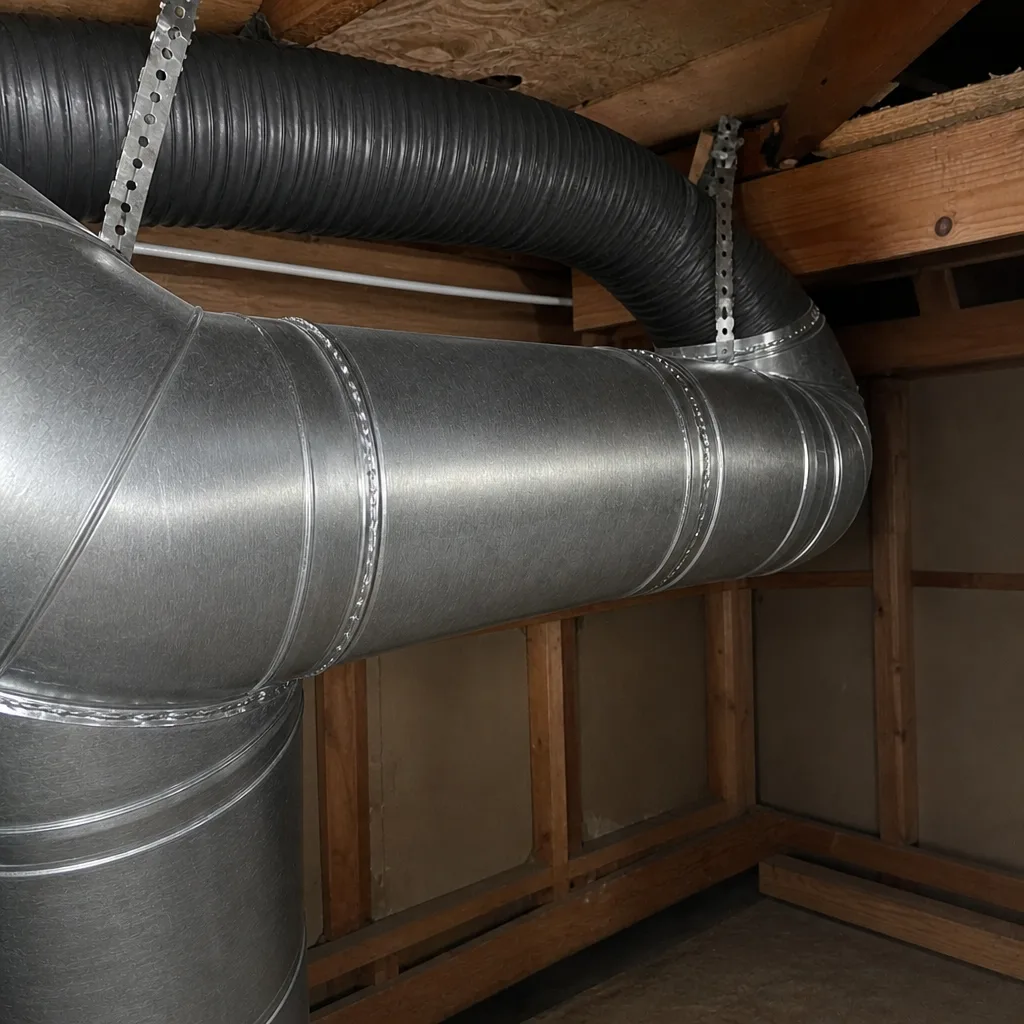 After
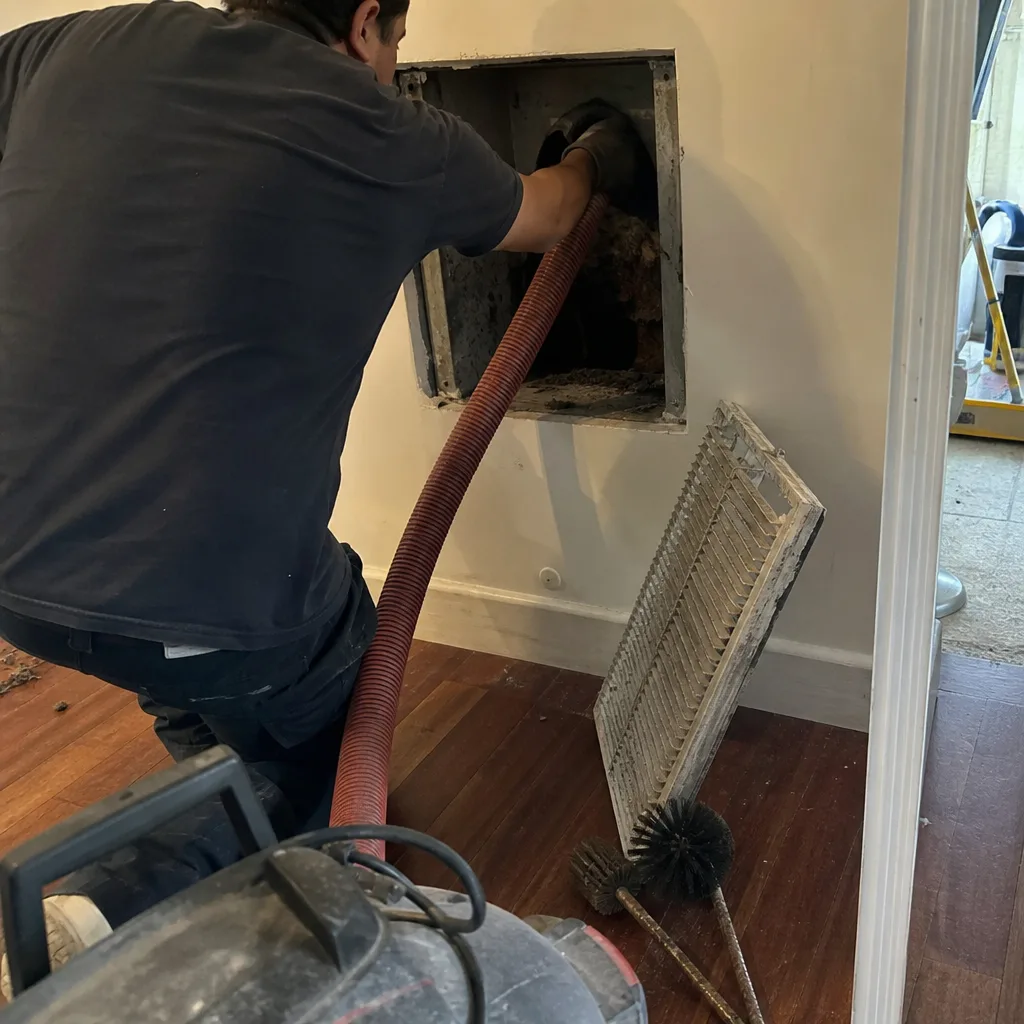 Before
 After
 Before
 After
When to Call a Professional
Some situations call for an inspection rather than a wait-and-see approach. If you’re seeing visible dust plumes from a register when the system kicks on, that’s a sign the trunk line has accumulated enough debris to be entrained into the airflow. If you’ve noticed a musty or stale smell when the HVAC runs, that’s often a sign of biological growth in the drain pan or coil, which needs professional cleaning and sanitizing rather than a DIY spray. If airflow to one room has dropped noticeably and other rooms are fine, a crushed or disconnected flex run is the likely culprit – that’s a repair job, not a cleaning job. If you’re managing a rental property and tenants are reporting allergy flare-ups, a documented cleaning is often part of the solution.
Air Duct Cleaning Downtown Santa Ana offers free estimates in Downtown Santa Ana – call (866) 545-1338. We answer 24/7. Fast dispatch from 7am to 7pm, Sunday through Friday. Our technicians have up to 10 years of experience and use Rotobrush and Nikro systems, so the equipment conversation isn’t hypothetical – we’ll tell you exactly what’s arriving at your door.
Frequently Asked Questions
Typical whole-system air duct cleaning in Downtown Santa Ana runs a few hundred dollars for a standard single-family home, with the range climbing for larger homes, multiple air handlers, or jobs that include repair and sealing. The written estimate sets the final price. Call (866) 545-1338 for an exact quote – estimates are free.
Cheap quotes are almost always a per-vent structure that covers branch runs only, leaving the trunk line, plenum, and air handler out of scope. The low price isn’t a bargain – it’s a smaller job. Ask every contractor what components are included before you compare prices. Call (866) 545-1338 if you want a whole-system quote you can hold up against the cheap one.
Ask for before-and-after photos of your own ductwork, taken at the trunk line and at least one branch run, delivered to you after the job. A contractor who can’t provide them didn’t document the work. We provide before-and-after photos on every job. Call (866) 545-1338 to book an estimate.
Most homes in Downtown Santa Ana benefit from a full-system cleaning every three to five years, more often in older homes with original galvanized ductwork or if you’re in a high-dust environment. Homes with recent renovation, water damage, or pest activity should be inspected sooner. Call (866) 545-1338 to talk through your situation – estimates are free.
No. NADCA membership is a trade-association credential, not a California contractor license. For any work that cuts into or repairs ductwork, you want a contractor holding a C-20 classification from the Contractors State License Board, verified on the CSLB website. Cleaning alone can sometimes be done without a C-20, but combined clean-and-seal jobs usually need one. Call (866) 545-1338 if you’d like us to walk through what your specific job requires.
It can help, but it’s not the whole answer. Duct cleaning removes accumulated dust and debris, and sanitizing with products like Honeywell and Aprilaire formulations addresses biological growth in the coil and drain pan. But if the duct system is leaking, dirty air re-enters the system within weeks, which is why repair and sealing belongs in the same scope. Call (866) 545-1338 for a combined cleaning and inspection estimate.
The Bottom Line
Hiring the right duct cleaner in Downtown Santa Ana comes down to three verifications: the equipment (branded vacuum, rotary brush system, HEPA filtration), the credential (C-20 license for anything that cuts or seals ductwork, with NADCA membership as a supporting signal rather than the deciding one), and the written scope (flat-rate whole-system, components listed, equipment named, photos promised). The vetting framework in this guide turns the sales call into a technical conversation, which is exactly where the low-bid crews fall apart and the professional contractors don’t. Use the eight steps in order, get the scope on a form, and check the license before you book.
If you’d like to run your specific Downtown Santa Ana home through this framework with a contractor who’ll answer every question on this page directly, we’re happy to do exactly that. Call (866) 545-1338 for a free estimate. We answer 24/7. Fast dispatch from 7am to 7pm, Sunday through Friday. One flat price per system agreed before work starts, before-and-after photos of your own ducts, and a written scope you can hold us to.
Written by the team at Air Duct Cleaning Downtown Santa Ana.