
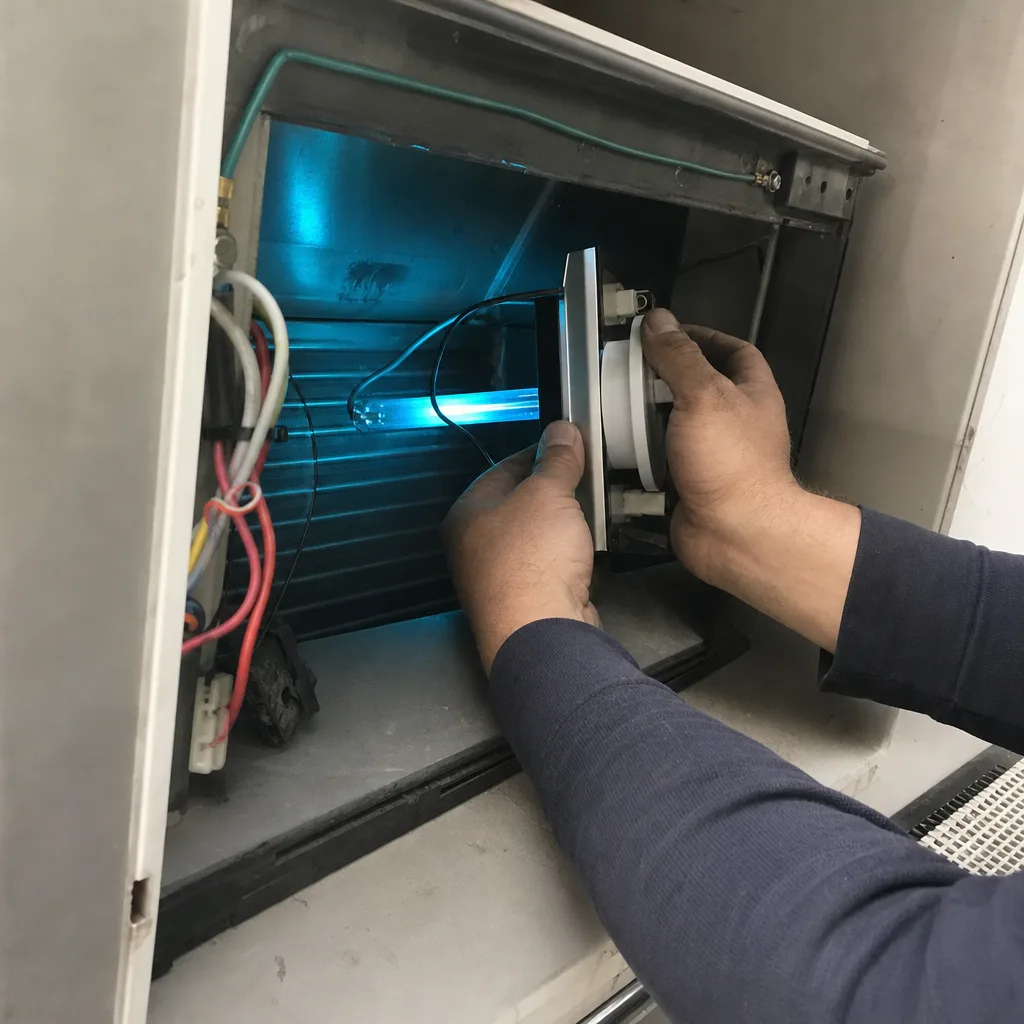
Last updated November 24, 2026
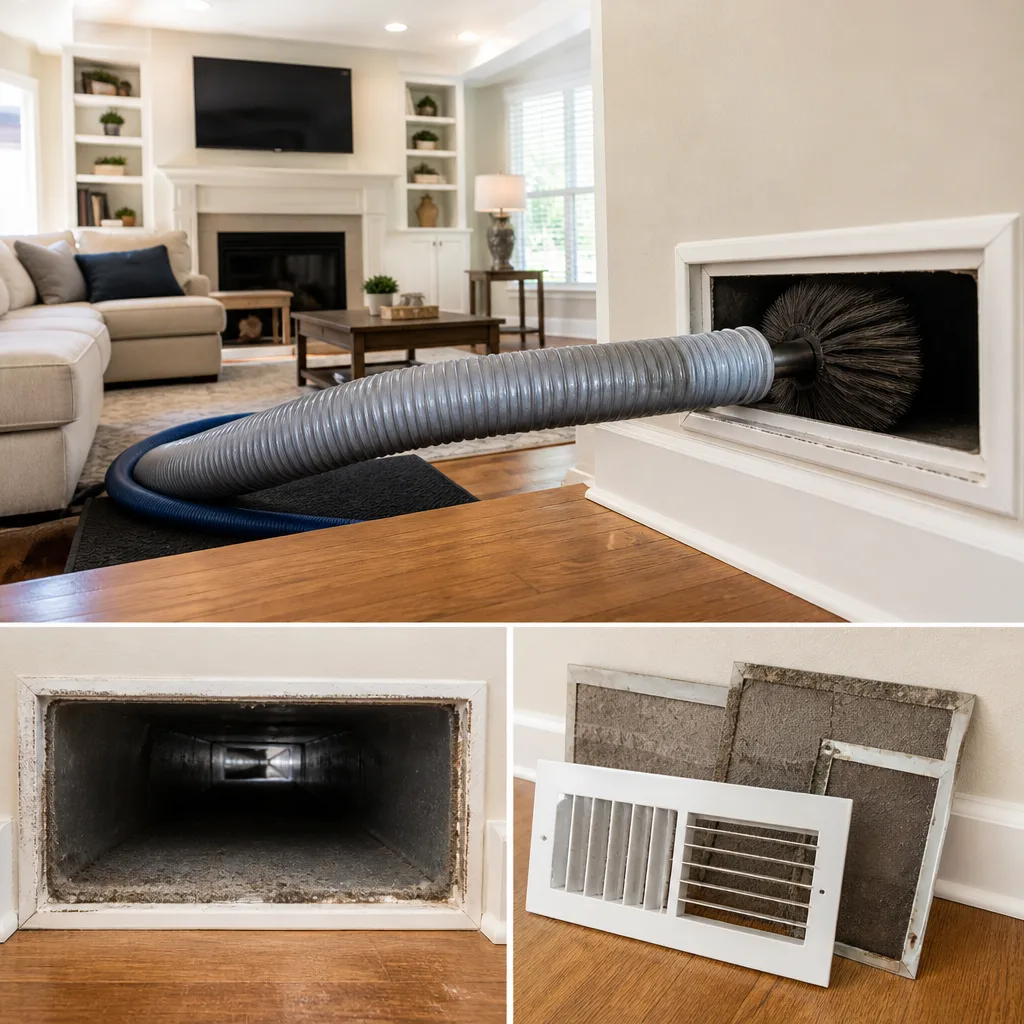 Whole-home duct cleaning
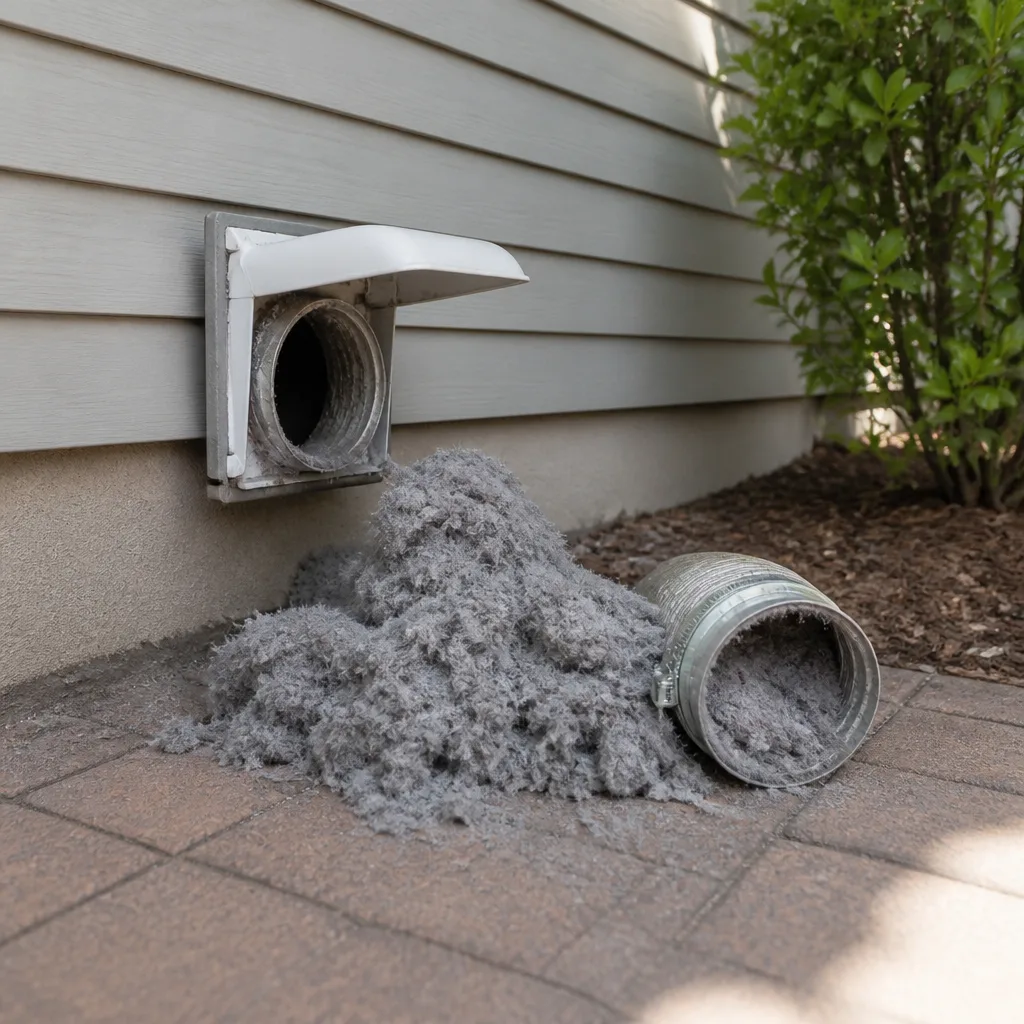 Dryer vent cleaning
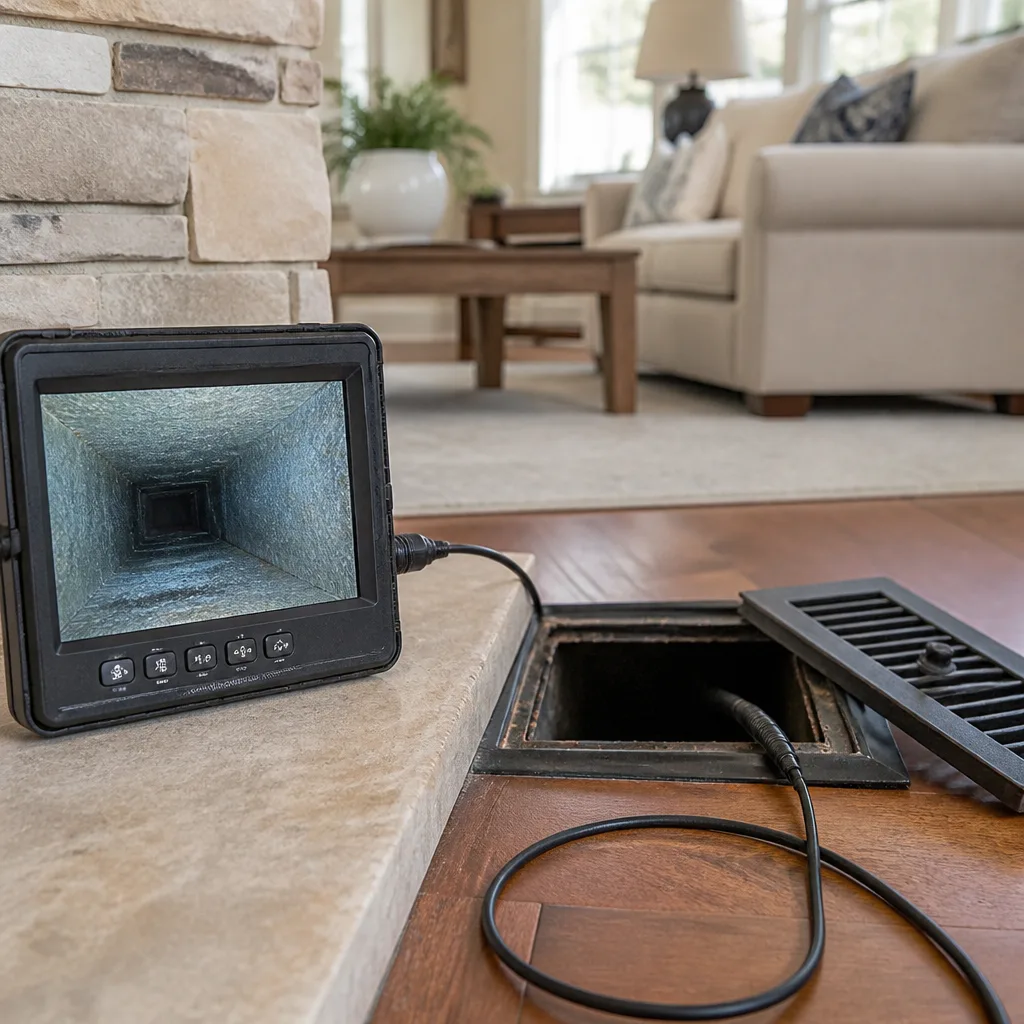 Camera inspection
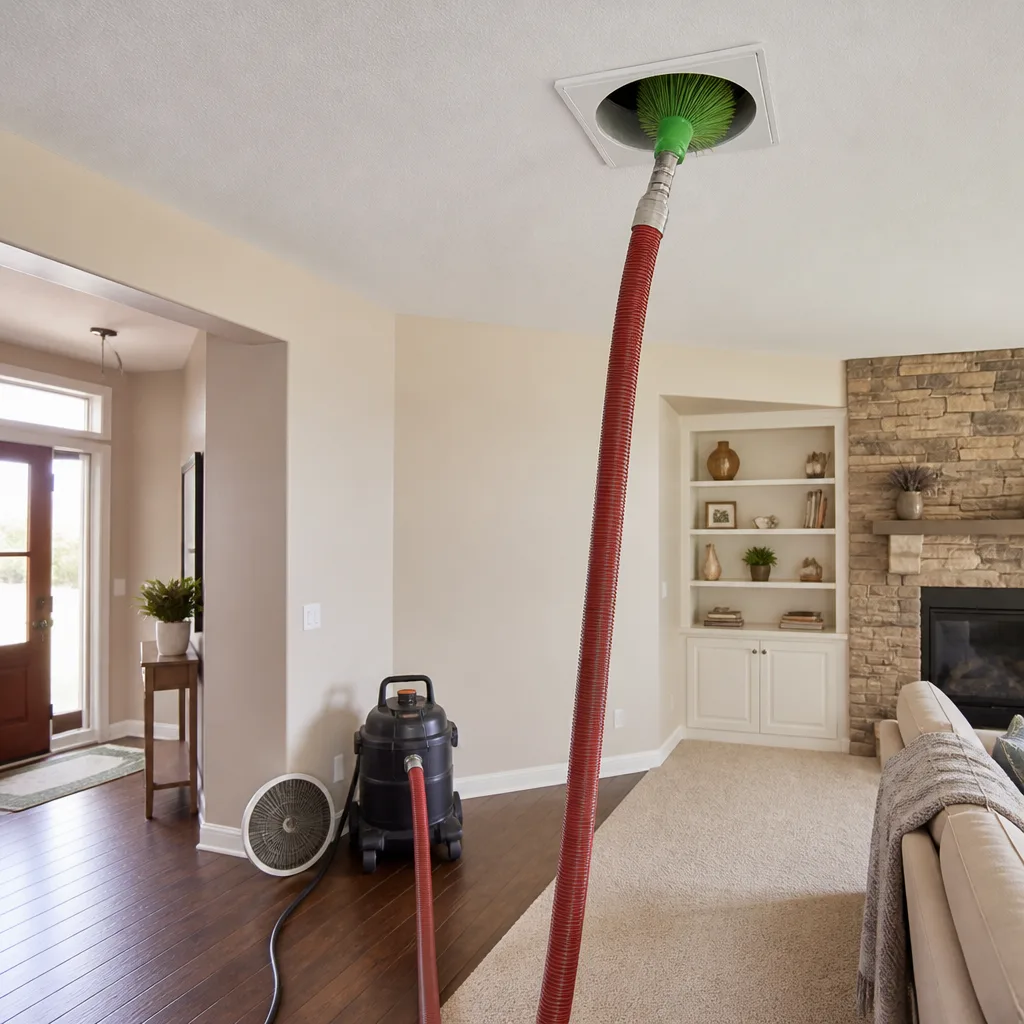 Sanitizing & deodorizing
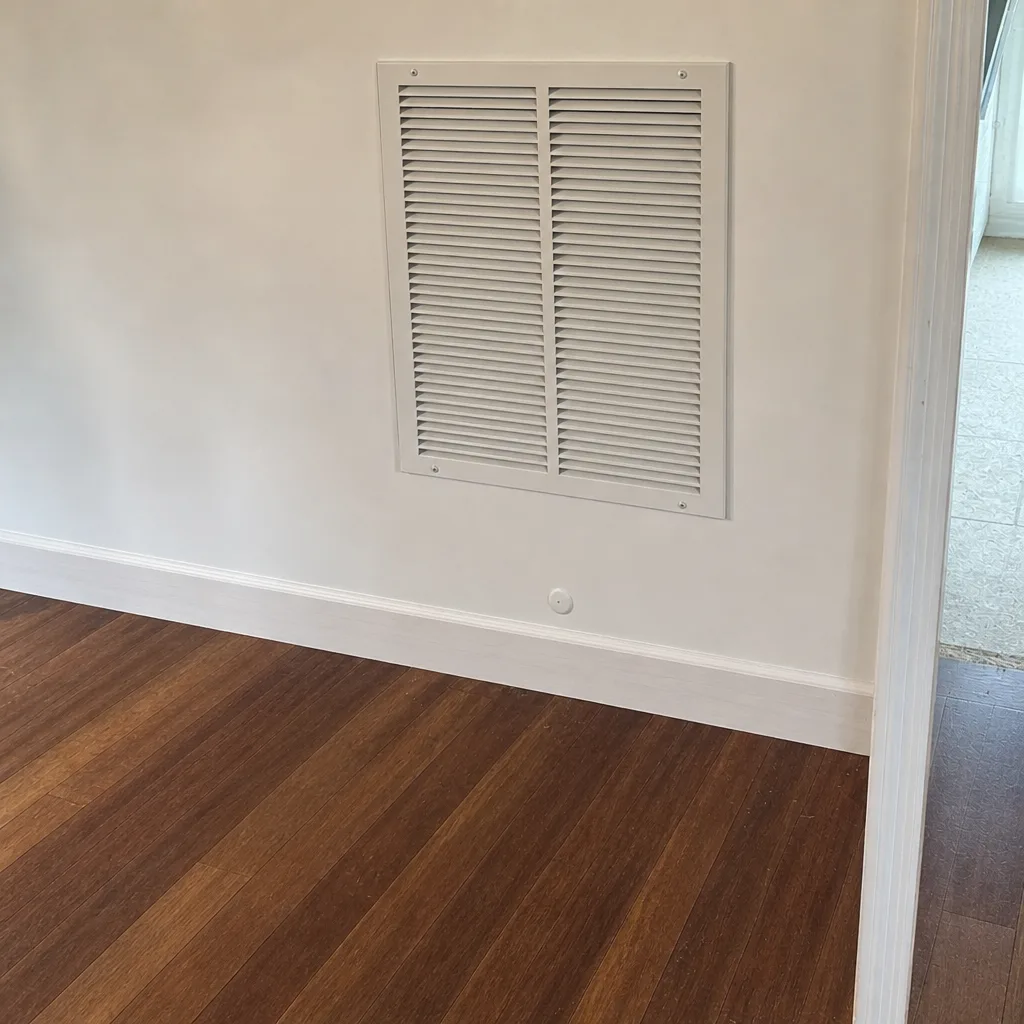
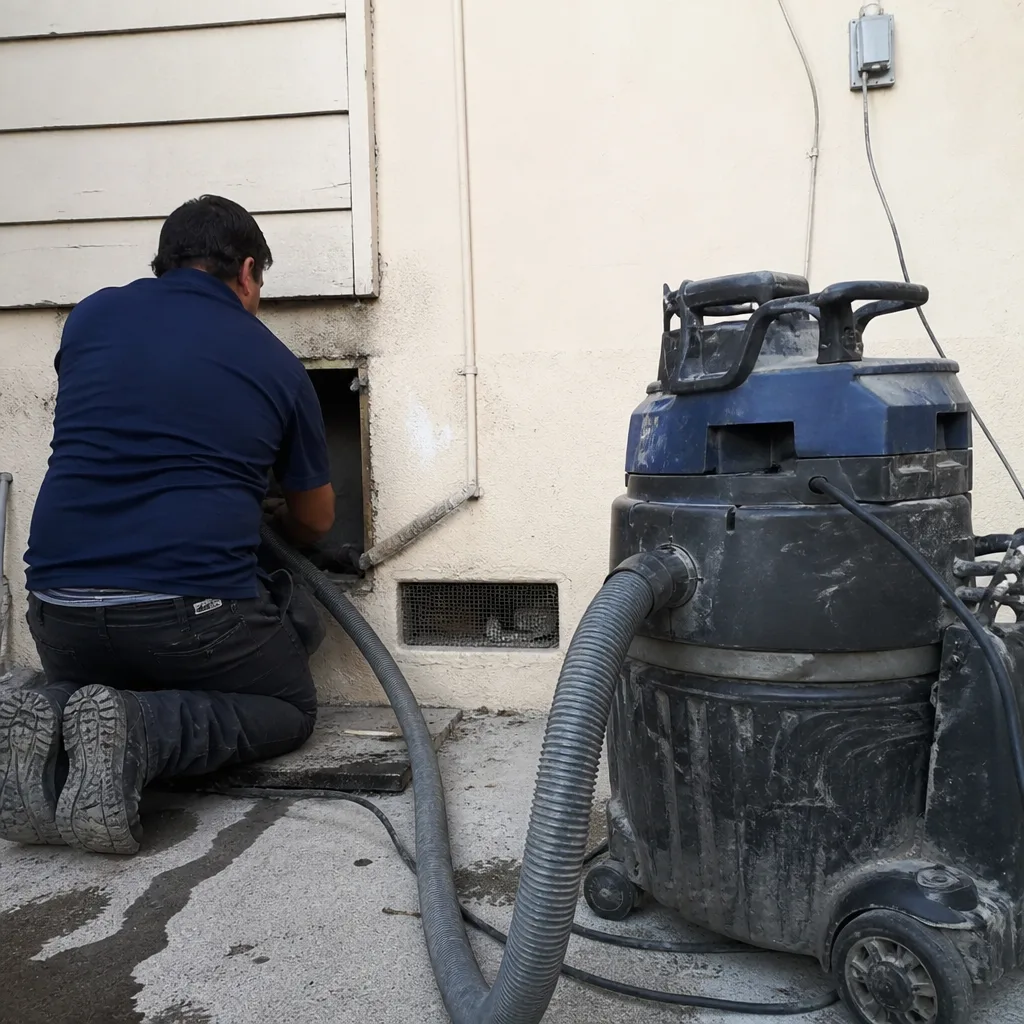
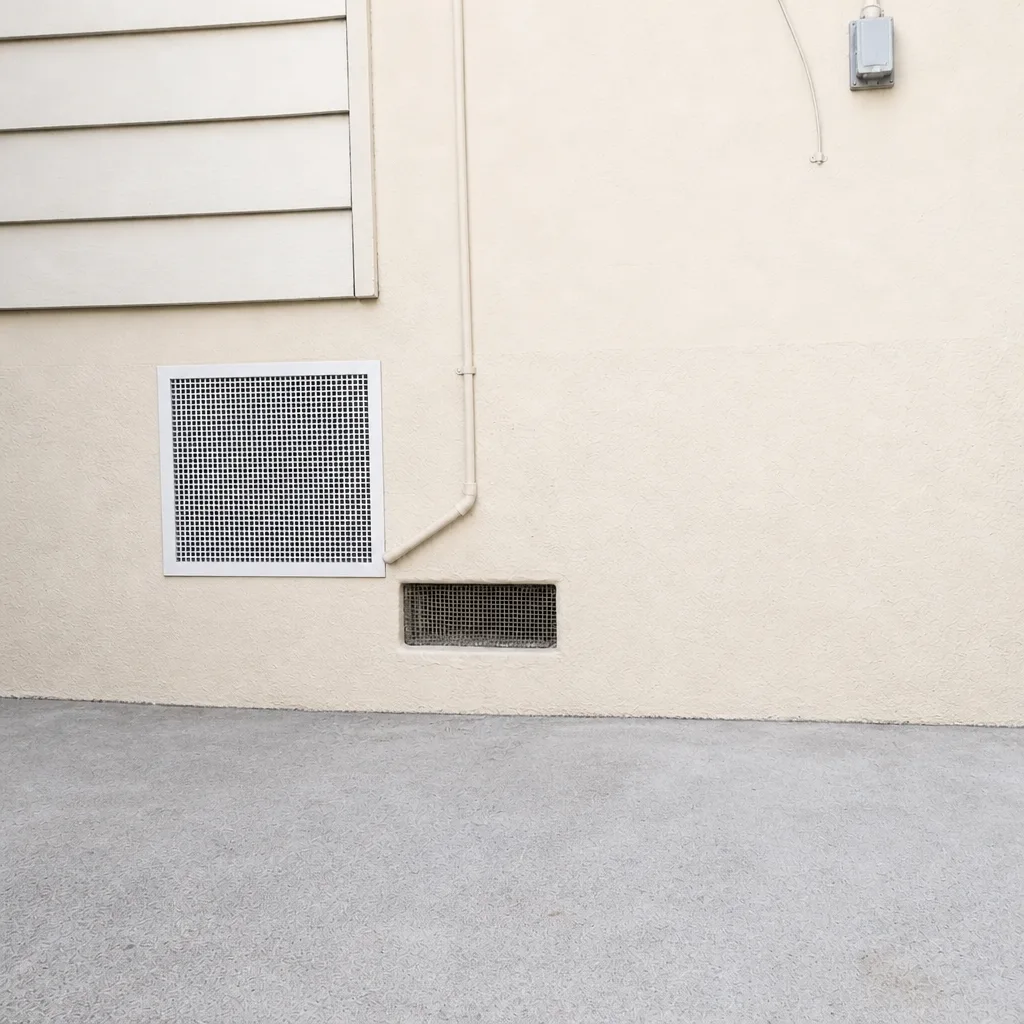
Whole-system duct and dryer vent check with before-and-after photos - you see exactly what came out of your vents
That "$99 whole-house special" is a bait ad - the real number appears once they are in your hallway, or the "clean" is a shop-vac at the register. We photograph the inside of your ducts before and after instead.
Air Duct Cleaning Cost Breakdown: The Downtown Santa Ana Homeowner’s Reference for 2026
The $149 whole-house special and the $800 quote for the same house aren’t just different prices. They’re describing two completely different scopes of work, and until you can read what’s actually inside each number, you’re comparing apples to a completely different fruit. Most homeowners in Downtown Santa Ana never get that translation, so they pick the cheap one, then get surprised when the invoice grows after the technician is already in the attic. This reference breaks down the real cost drivers behind duct cleaning in Downtown Santa Ana: system size, access, scope, and equipment tier, line by line, so you can judge a quote on what it actually covers instead of the headline number.
Quick Answer
Air duct cleaning in Downtown Santa Ana typically runs $350 to $700 for a whole-house system when you’re pricing the job by system rather than by vent, with air handler and coil cleaning adding $150 to $400 and sanitizing adding $100 to $250. Duct sealing and repair, when needed, runs $300 to $900 depending on how much ductwork has to be rebuilt or resealed. The single biggest factor in what you’ll actually pay isn’t square footage. It’s access, duct material, and how much of the system the crew is genuinely cleaning versus spot-vacuuming.
Styles & brands we work with
- Whole-home duct cleaning
- Dryer vent cleaning
- Camera inspection
- Sanitizing & deodorizing
Table of Contents
- Why Duct Cleaning Quotes in Downtown Santa Ana Vary So Widely
- Line-Item Cost Breakdown for 2026
- How Your Specific Home Changes the Price
- Why Per-Vent Pricing Is Structurally Rigged Against You
- What a “Free Inspection” Really Means
- The Cost of Not Cleaning: A Concrete Calculation
- How to Read a Duct Cleaning Quote Like a Contractor
- Common Mistakes to Avoid
- When to Call a Professional
- Frequently Asked Questions
- The Bottom Line
Why Duct Cleaning Quotes in Downtown Santa Ana Vary So Widely
A duct cleaning quote is not a single product. It’s a bundle of decisions, and different contractors bundle different things. When you see a $149 offer next to a $700 quote, you’re usually looking at three separate variables stacked on top of each other: what equipment is being used, how much of the system is being touched, and whether the price is per vent or per system.
Equipment is the first fork in the road. A shop-vac setup with a brush attachment can make vents look cleaner without ever touching the trunk line, the plenum, or the interior of the air handler. A professional-grade Air Duct Cleaning Downtown Santa Ana setup using Rotobrush or Nikro equipment uses negative pressure, agitation tools sized to the duct type, and containment so dislodged debris leaves the system instead of settling into your living room. Those are two different jobs, and they cost two different amounts to do properly. When we quote a job, the equipment tier is baked into the price, not added as a surprise line item.
Scope is the second variable. “Duct cleaning” can mean:
- Supply vents only (surface-level)
- Supply and return vents plus the trunk line
- The full system including plenum, air handler cabinet, and blower compartment
- Everything above plus coil cleaning and sanitizing
Each jump in scope is real work, real time, and real equipment. A quote that covers the first item and a quote that covers the fourth are not competing prices. They’re different products. In our experience, the confusion in Downtown Santa Ana comes from the fact that all four get advertised under the same heading.
The third variable is pricing structure. Per-vent pricing sounds transparent. It usually isn’t, and the next sections explain why.
Line-Item Cost Breakdown for 2026
Here’s what each piece of a duct cleaning job actually costs in the Downtown Santa Ana market, priced as a range because every home is different. Use these numbers to sanity-check any quote you receive. If a quote is far below these ranges, ask what it doesn’t include. If it’s far above, ask what’s in the extra.
Base Duct Cleaning (Whole System)
Typical range: $350 to $700. This covers supply and return vents, the trunk line, and the main runs, using negative pressure and agitation. Smaller condos and single-story homes with short runs land at the low end. Larger homes with long runs, multiple zones, or difficult attic access land at the high end.
Air Handler Cleaning
Typical range: $150 to $300. The air handler cabinet, blower wheel, and blower compartment collect dust the ducts deliver to them. Cleaning the ducts without cleaning the air handler means the moment the system comes on, the blower pushes the accumulated dust right back through the clean system. This line item is not optional if you want the job to actually mean something.
Coil Cleaning
Typical range: $150 to $400. The evaporator coil is where the air crosses the refrigerant, and it’s where a surprising amount of performance loss happens. Coils are delicate and sit in tight cabinets, so the price reflects the care required. A coil that’s packed with dust can’t transfer heat efficiently, and no amount of duct cleaning fixes a blocked coil.
Sanitizing
Typical range: $100 to $250. This is an application of an EPA-registered sanitizing product to the interior surfaces of the ducts and air handler after cleaning. We use Aprilaire and Honeywell products here because they’re recognized by HVAC professionals and behave predictably. Sanitizing is not a substitute for cleaning, and cleaning without sanitizing is still a legitimate job. It’s a scope decision, not a mandatory add-on.
Duct Sealing and Repair
Typical range: $300 to $900. This is the line most duct cleaning quotes leave out entirely, and it’s often the one that matters most. Sealing gaps at joints, boots, and plenum connections stops the leaks that pull unfiltered air out of the attic and into your living space. Repair covers crushed or disconnected flex runs, damaged duct board, and failed connections. The range is wide because the work varies from tightening a handful of joints to rebuilding several runs.
Dryer Vent Cleaning (Separate Service)
Typical range: $100 to $200. This is a completely different vent and a completely different risk. Lint accumulation in a dryer vent is a fire hazard, not a dust complaint, and it should not be bundled into a duct cleaning price as a throwaway line.
How Your Specific Home Changes the Price
Downtown Santa Ana has a housing stock that makes duct work variable in ways a flat per-vent price can’t capture. The variables below are the ones that most consistently move a quote up or down.
Attic Accessibility
Older Downtown Santa Ana homes often have attic access through a small closet hatch, a low-clearance passage, or a location that requires a ladder and some careful maneuvering to reach the equipment connection point. Homes where the air handler sits in a tight attic corner take longer to work on than homes with a clean, open attic and a wide access panel. That time is the single most consistent price driver in the market, and it has nothing to do with vent count.
Number of Zones and System Layout
A single-zone system with a compact trunk runs one continuous path. A multi-zone system, or a system with long runs splitting off in several directions, means more connection points, more containment setup, and more agitation passes. Two homes of identical square footage can be 40% apart in price if one has a simple layout and the other doesn’t.
Duct Material: Flex vs. Sheet Metal vs. Duct Board
- Flex duct is common in retrofits and additions. It needs lower-pressure agitation and careful handling because the liner tears. Cleaning it correctly takes more attention, not more force.
- Sheet metal is more durable and tolerates standard agitation. It’s also where sealing gaps at joints produces the most dramatic leakage improvement.
- Duct board is a composite material with an internal liner that can degrade. Aggressive brushing can damage it, so cleaning it requires more finesse and often more inspection time.
A contractor who prices by vent count has no way to reflect any of this. A contractor pricing by system accounts for it before the price is set. That’s a structural difference, not a pricing trick.
Number of Returns
Returns pull air back to the air handler and tend to collect more debris than supply runs because they’re the intake side of the cycle. A home with multiple return grates takes longer than a home with one. This is one reason system pricing is more honest than per-vent pricing, which often counts only supply vents in the visible tally.
Why Per-Vent Pricing Is Structurally Rigged Against You
Per-vent pricing looks fair. You have a certain number of vents, you pay a certain amount per vent, and the math is right there in front of you. The problem is that the per-vent number is set low enough to win the phone call, and the only way the job stays profitable is by later deciding your vent count is higher than originally quoted, or that the job requires “extras” once the technician is on site.
The mechanics are simple:
- The advertised per-vent price is priced to win the inquiry, not to cover the job. It has to be, or it wouldn’t be advertised.
- The technician counts vents after arriving. Supply vents, return vents, and any ducting in additions or finished basements all enter the count. The original number the homeowner had in mind often doesn’t match.
- Add-ons get introduced on site. Coil cleaning, air handler cleaning, sanitizing, and sealing are all offered as add-ons with no advance pricing, so the homeowner is comparing now-or-never decisions under a technician’s watch.
- The final invoice reflects a scope that was never quoted upfront. The homeowner signed off on a small number and paid a larger one.
Flat-rate system pricing removes every one of those steps. When we quote a job, the price covers the entire system as defined in writing before any work begins. There’s no per-vent tally, no on-site scope expansion, and no surprise line items. If the system is larger or more complex than expected, that gets resolved during the estimate, not after the hoses are connected. In our experience, homeowners who’ve been burned by per-vent pricing are the ones who most appreciate seeing the full scope in writing before committing.
If you want to read more about how cleaning actually works inside the system, our air duct cleaning page covers the process in detail.
What a “Free Inspection” Really Means
A free inspection is a legitimate sales tool, and a legitimate inspection is genuinely useful. But the offer comes with an implicit economic model, and it’s worth understanding what that model is before you accept one.
An inspection that costs the company nothing to deliver has to be paid for somewhere. In practice, the model works one of two ways. Either the inspection is a genuine pre-quote walkthrough, in which case the price you receive afterward should be complete and fixed, or the inspection is a lead-generation event where the real purpose is to set up an on-site demonstration of contamination and a package pitch. The second model isn’t automatically dishonest, but it does create pressure to find something to sell, whether or not it needs selling.
Here’s how to use a free inspection without getting locked in:
- Ask upfront what the inspection covers. Is it a visual check of the registers and a look into the air handler, or is it a camera inspection of the interior of the trunk line? Those are different levels of information.
- Ask for the written scope before you agree to any work. A legitimate contractor will define exactly what’s being cleaned, what’s being sealed, and what’s excluded, before a single tool comes out of the vehicle.
- Decide on the complete written quote, not the demonstration. If the price changes after the demonstration but before any work begins, that’s the sign to walk.
- Don’t let a time-limited offer drive the decision. Duct contamination builds slowly over months and years. There’s no legitimate reason a quote has to be accepted today.
A free estimate that produces a complete written scope is fine. A free inspection that produces a sales presentation is a different thing, and the way to keep them separate is to ask for the scope in writing before you say yes.
The Cost of Not Cleaning: A Concrete Calculation
Duct cleaning gets sold as a health product, and it is partly that. But the more measurable argument for a Downtown Santa Ana homeowner is the system performance argument, and it’s worth walking through how the cost of skipping cleaning compounds.
Start with the coil. A dirty evaporator coil can’t transfer heat the way a clean coil does. In practical terms, the system runs longer to reach the thermostat setpoint, and a system running longer uses more electricity. The exact penalty depends on the system, the climate, and how much dirt has built up, so nobody can hand you a precise percentage without inspecting your equipment. But the pattern is consistent: dirt on the coil reduces performance, and reduced performance shows up on your utility bill every month.
Downtown Santa Ana also puts a specific kind of load on duct systems. The area’s dry, warm climate means the air conditioning system runs for a large share of the year, which means more air cycles through the ducts, more dust accumulates on the coil, and more hours pass with a dirty system working harder than it should. Homes near busy streets and downtown commercial corridors also pull in more particulate matter through return air. None of this is dramatic on any single day. It’s steady accumulation, which is exactly the kind of problem that quietly grows a utility bill.
The math that matters for a homeowner:
- Coil efficiency loss, whatever the specific percentage, repeats every billing cycle for as long as the coil stays dirty.
- Leaky ducts pull attic air into the system, forcing the coil to condition air that was never meant to enter the system.
- Air handler dust reduces airflow, which makes every one of the above worse.
Considered across a year, the total is more than a duct cleaning estimate in most cases. And that’s before you count the repairs that come from a system running harder than it should, or the fact that you’re living with the dust the whole time. We’re not going to put a fake number on the annual savings, because the real number depends on your equipment. But the direction of the calculation is clear.
The practical takeaway is that cleaning isn’t only a health decision. When the ducts, air handler, and coil are all addressed at the same time, the system gets back to something like its original operating shape. That’s the difference between a cleaning that has a return and one that’s just a receipt. If your home has separate HVAC equipment that hasn’t been serviced, our HVAC cleaning page explains how the system-level cleaning fits together.
How to Read a Duct Cleaning Quote Like a Contractor
A written quote has a shape. If you know what you’re looking for, you can tell in about a minute whether you’re looking at a real scope or a headline with a promise attached. Here’s the checklist we’d want a homeowner to run through even if the quote isn’t from us.
- Is the price per system or per vent? If per vent, ask specifically which vents are counted and whether returns are included.
- Is air handler cleaning included? If not, the price is for part of the job.
- Is coil cleaning separate, and if so, at what price? This is where cost sneaks into an otherwise reasonable quote.
- Is sealing and repair in scope, or excluded? A quote that doesn’t mention sealing at all is a quote that assumes the ducts are already tight, which is rarely true in older housing stock.
- Is sanitizing optional and priced? Sanitizing shouldn’t be bundled in silently. It should be a stated line item or clearly excluded.
- What equipment is named? Rotobrush, Nikro, and Abatement Technologies are specific platforms with specific capabilities. A quote that doesn’t name any equipment is a quote that hasn’t committed to a method.
- Is there a written definition of “complete”? The quote should say what the system is and what the delivered work looks like.
- Are before-and-after photos part of the delivery? If the work is genuinely being done, documenting it costs nothing.
Here’s a second angle worth mentioning: the contractor’s willingness to show you the system before and after. A quote that commits to before-and-after photos of the actual system being cleaned is a quote from someone who expects the work to be right the first time. When we work with dryer vent cleaning as a separate line, we treat the photo documentation the same way, because a dryer vent is the one vent where nobody should take “we did it” on faith.
What the Different Equipment Tiers Actually Buy You
Homeowners don’t usually get to see the equipment before the crew arrives, and the difference between a shop-vac and a professional-grade system is invisible until the work is done. Here’s what each tier realistically accomplishes.
Shop-Vac and Hand-Brush Tier
This tier reaches the visible portions of the supply vents and can pull loose surface dust from the register grilles. It cannot generate meaningful negative pressure across the whole system, so anything dislodged inside the trunk can end up in the room rather than in the collection system. It’s useful for light surface work and often what’s behind the cheapest advertised prices.
Rotobrush and Nikro Tier
This is the tier professional duct cleaning is built around. Rotobrush and Nikro systems are designed to combine a rotary brush with a high-capacity vacuum, so the brush actually agitates the duct surface while the vacuum captures the loosened debris in a contained collection system. Rotobrush is the common system for residential whole-house cleaning, and Nikro builds the higher-capacity equipment needed for larger systems and heavier contamination. Both are the platforms used by NADCA-standard contractors, and both are a real step up from shop-vac work in what they can actually reach and remove.
Abatement Technologies Tier
Abatement Technologies is typically found on the contamination and remediation side of the market, where the job isn’t routine maintenance but containment of materials that shouldn’t be reintroduced to living space. That tier of equipment signals capability for jobs that need more than a vacuum and a brush: HEPA-level filtration, negative pressure containment, and disposal that doesn’t undo the work during cleanup. For most Downtown Santa Ana homes, this tier is more than the job needs. For homes with significant contamination, recent renovation dust, or a documented air quality concern, it’s the correct tier, and a contractor without it can’t deliver the same standard.
What the equipment tier actually buys you is confidence that the debris is leaving the system rather than moving around inside it. Nobody wants to pay for a job where the dust is dragged out of the ducts and left on the carpet. When we quote a job, the equipment platform is part of what’s being priced, and it’s named in the scope for exactly that reason.
Common Mistakes to Avoid
- Comparing a per-vent price to a per-system price. These aren’t competitors. One describes a fraction of the job and one describes the whole thing. Compare total final price and total final scope, not the headline.
- Accepting a quote without an air handler line item. Ducts deliver dust to the air handler. If the air handler isn’t in the scope, you’re cleaning the front half of the system and leaving the dust collector in place.
- Assuming the cheapest quote is a smaller version of the expensive one. Often it’s a different service entirely: surface vacuuming versus full agitation and containment. The equipment and process behind each price are what you’re actually buying.
- Skipping sealing because the cleaning was fine. Cleaning removes debris. Sealing stops the leaks that pull attic air, insulation fibers, and pest debris into the system afterward. If the ducts are leaking, cleaning alone fixes half the problem. Older housing stock in Downtown Santa Ana frequently has joints and boots that have loosened with age.
- Treating sanitizing as a substitute for cleaning. Sanitizer applied to dusty surfaces doesn’t accomplish anything. Cleaning has to come first, and sanitizing is a separate decision made after the interior is actually clean.
- Falling for a limited-time on-site offer. Duct contamination doesn’t move at the speed of a sales pitch. If the quote has to be signed today to preserve the price, that’s a signal, not a convenience.
- Forgetting the dryer vent. A dryer vent cleaning is a completely separate job from duct cleaning, but it shares a contractor because both involve vent-driven ventilation. Lint accumulation in a dryer vent is a recognized fire risk, and leaving it out of the service plan is a common oversight.
When to Call a Professional
Some signs call for a professional inspection and some can wait. The ones worth acting on: visible dust blowing out of registers when the system starts, musty or stale odors that persist when the HVAC is running, uneven airflow between rooms, allergy symptoms that flare up indoors more than outdoors, and utility bills that climb without an obvious cause. Older Downtown Santa Ana homes with original ductwork and multiple zones often show several of these at once, and that pattern usually means the whole system needs evaluating rather than one vent getting attention. Significant recent renovation or pest activity also warrants a look, because construction dust and debris settle in ducts and don’t always clear on their own.
Air Duct Cleaning Downtown Santa Ana offers free estimates in Downtown Santa Ana. Call (866) 545-1338. We answer 24/7. Fast dispatch from 7am to 7pm, Sunday through Friday.
Frequently Asked Questions
Whole-system air duct cleaning in Downtown Santa Ana typically runs $350 to $700 when priced by system, with air handler cleaning adding $150 to $300, coil cleaning adding $150 to $400, and sanitizing adding $100 to $250. Duct sealing and repair, if needed, runs $300 to $900 depending on the amount of ductwork involved. Call (866) 545-1338 for an exact quote. Estimates are free.
Cheap quotes are usually cheaper because they cover less scope, not because they’ve found a way to do the same job for less. A lowball quote often prices vents only, skips the air handler, excludes coil cleaning, and leaves sealing out entirely. The equipment tier also matters: shop-vac and hand-brush work is genuinely cheaper to deliver than Rotobrush or Nikro whole-system cleaning. The right comparison is scope to scope, not price to price. Call (866) 545-1338 for a written scope you can compare against any other quote.
You know because the contractor shows you before-and-after photos of your own system. Photo documentation of the ducts, air handler, and registers is the most direct proof that the work matches the scope, and it costs nothing to deliver. If a contractor can’t show photos, the proof of work is just the invoice. Call (866) 545-1338 for a quote that includes photo documentation as part of delivery.
Most homes don’t need duct cleaning on a fixed calendar. The right interval depends on whether you have pets, recent renovation, ongoing allergy symptoms, or a system that’s producing uneven airflow. In our experience, homes in Downtown Santa Ana with heavy HVAC use and pets often benefit from a look every few years, while homes with clean systems and no symptoms can go much longer. The better question isn’t “when,” it’s “does the system need it now.” Call (866) 545-1338 if you want an honest read on that.
Duct sealing is the line item that most changes the total price of a duct job, because it’s the one item that involves actual repair rather than cleaning. Smoothly priced jobs that cover cleaning only can run a few hundred dollars, while jobs that include sealing and repair at the same time can run substantially more. If a quote doesn’t mention sealing, the price you’re seeing isn’t the price of a complete job on a duct system that has gaps. Call (866) 545-1338 to find out what your system actually needs.
Yes, if the goal is a system that’s actually clean. Ducts deliver dust to the air handler, so cleaning ducts without cleaning the air handler means the blower pushes that accumulated dust right back through the clean system the moment the system runs. The coil is where the air crosses the refrigerant, and a dirty coil is where much of the performance loss lives. Cleaning the ducts and skipping these components is a partial job at best. Call (866) 545-1338 for a written quote that covers all three.
The Bottom Line
Duct cleaning pricing in Downtown Santa Ana is only opaque until you break it into pieces. Base duct cleaning, air handler cleaning, coil cleaning, sanitizing, and sealing are five separate line items, and any quote that doesn’t distinguish them can’t be compared against one that does. Per-vent pricing wins the phone call and loses the homeowner on the invoice. Flat-rate system pricing, in writing, with before-and-after photos, is the only structure that lets a homeowner know what they’re actually paying for. Downtown Santa Ana’s mix of older housing stock and heavy air conditioner use makes the full-system approach worth it every time. The written estimate sets the final price, and the scope is defined before any work begins. If you want that in writing for your own home, call (866) 545-1338 for a free estimate from Air Duct Cleaning Downtown Santa Ana.
Written by the team at Air Duct Cleaning Downtown Santa Ana.
See the difference
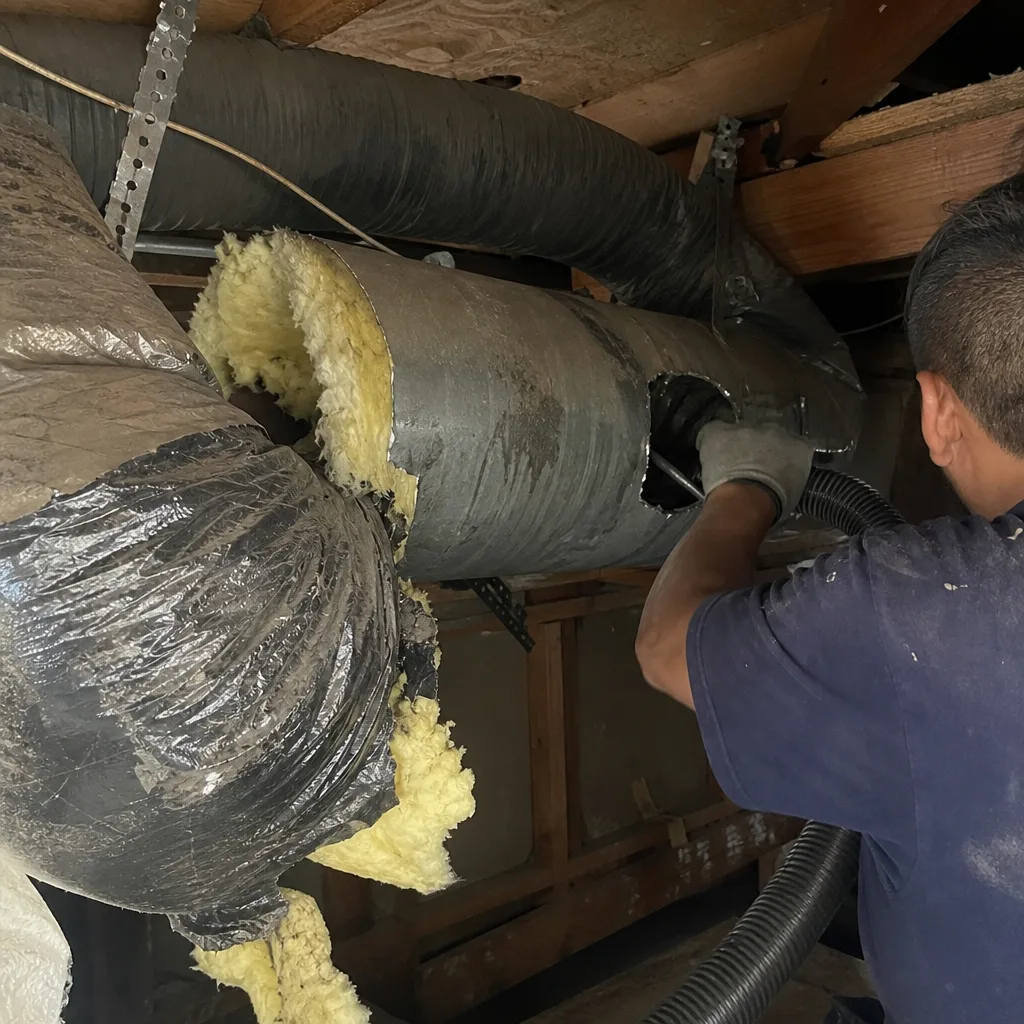 Before
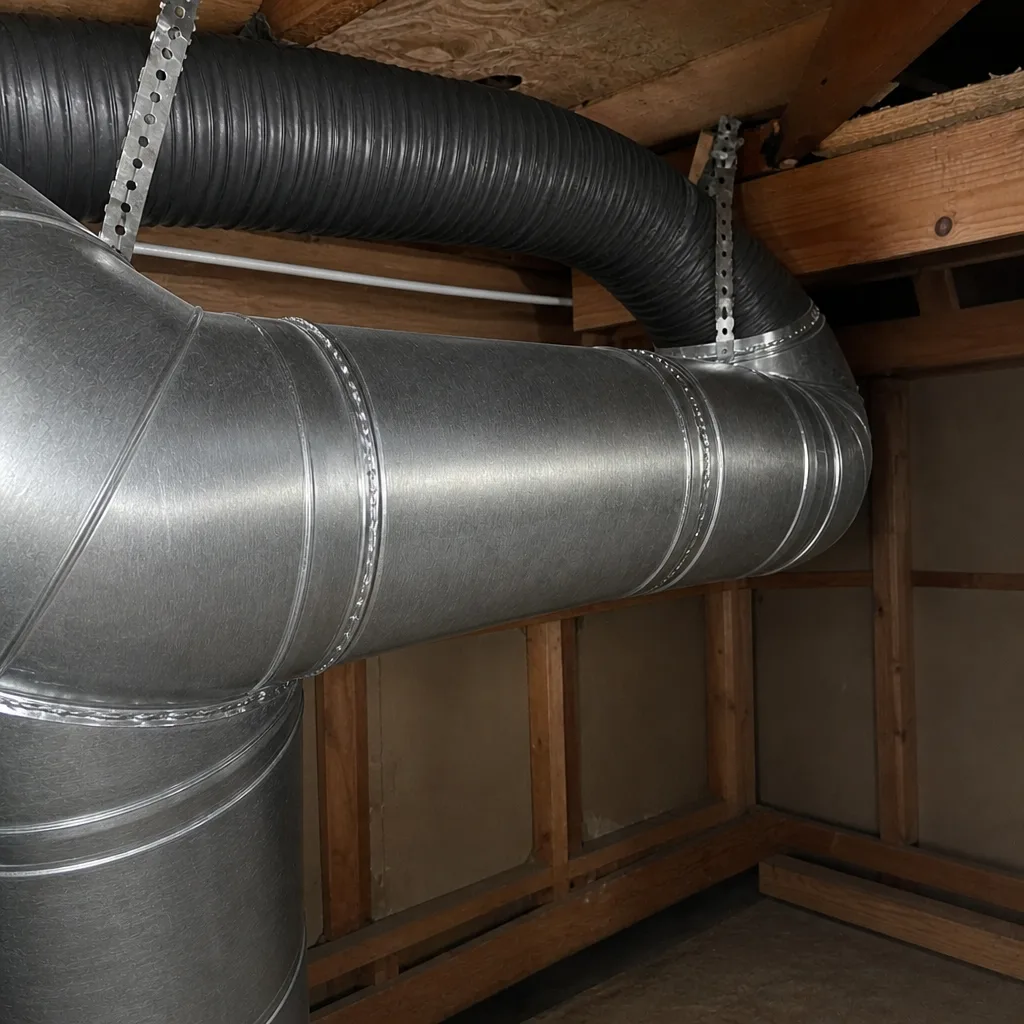 After
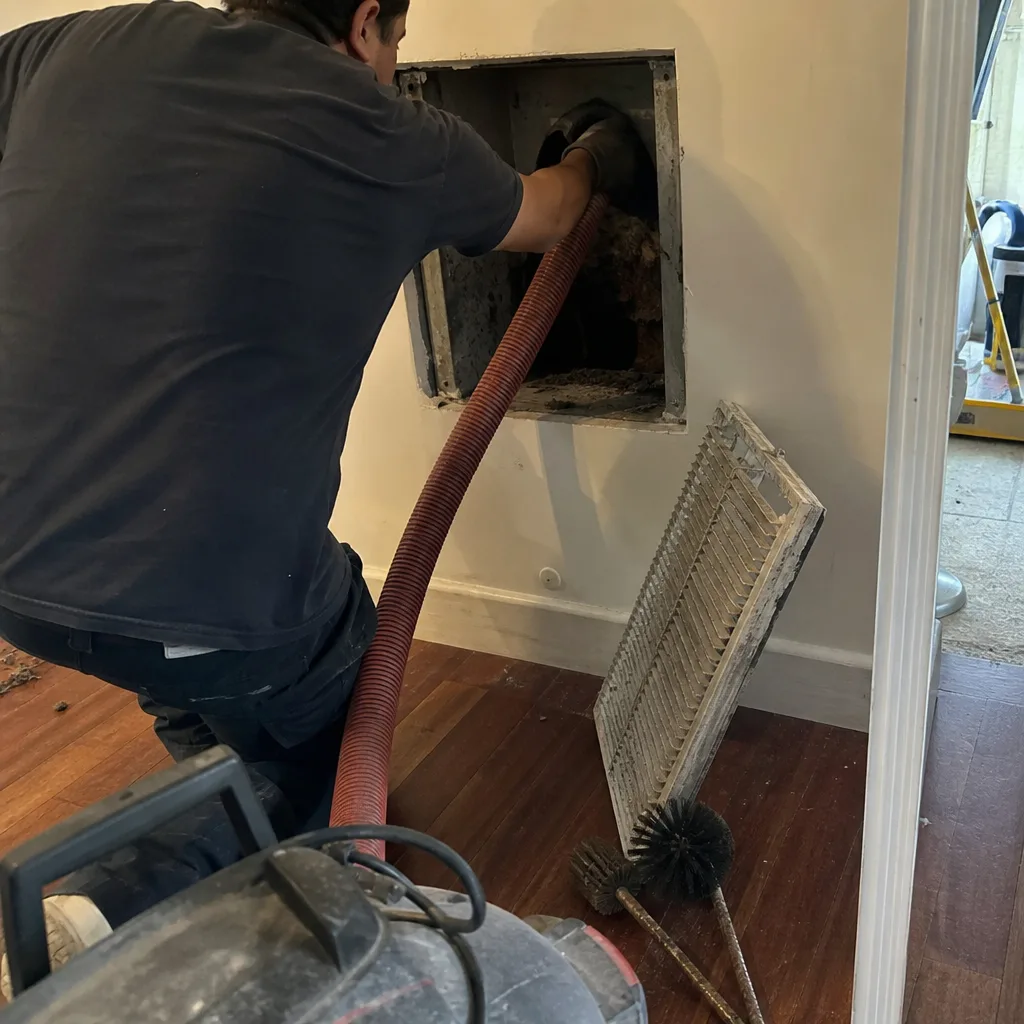 Before
 After
 Before
 After