
Last updated November 24, 2026
 Whole-home duct cleaning
 Dryer vent cleaning
 Camera inspection
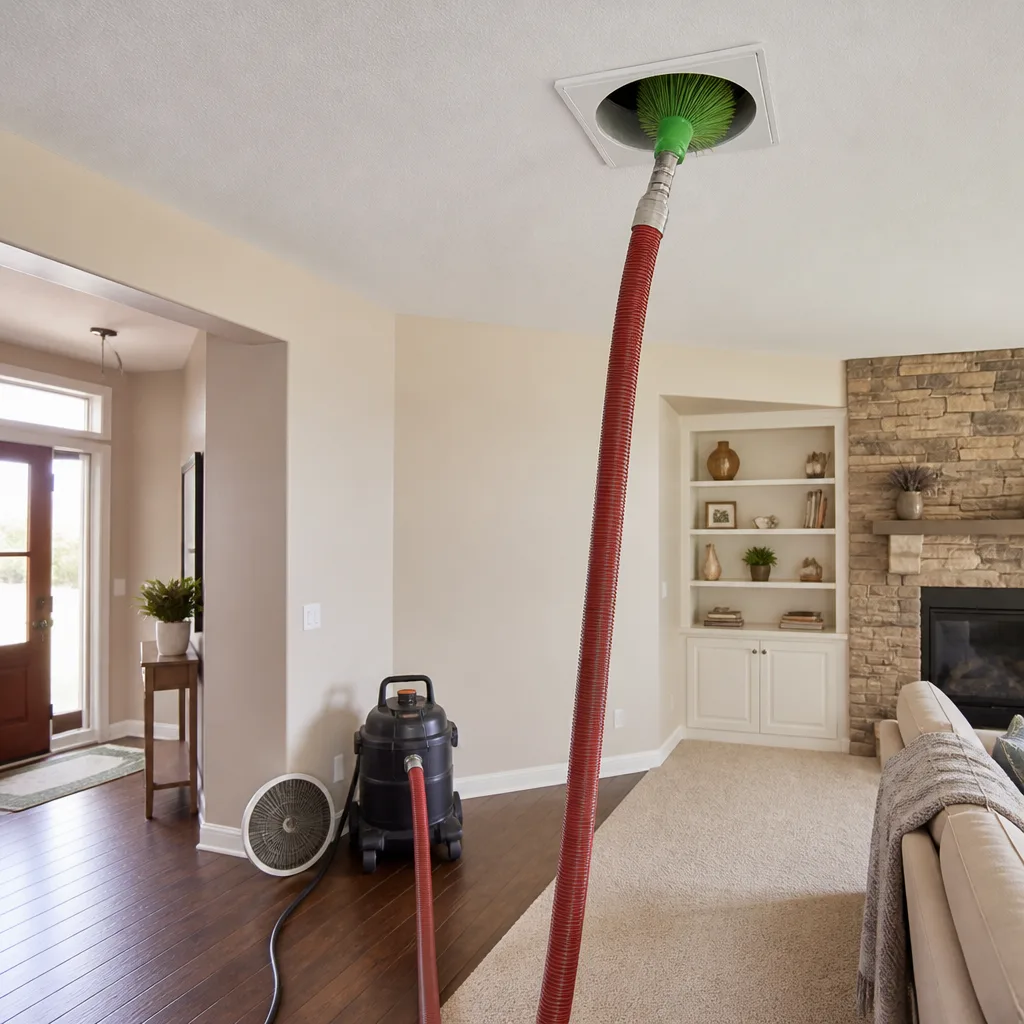 Sanitizing & deodorizing
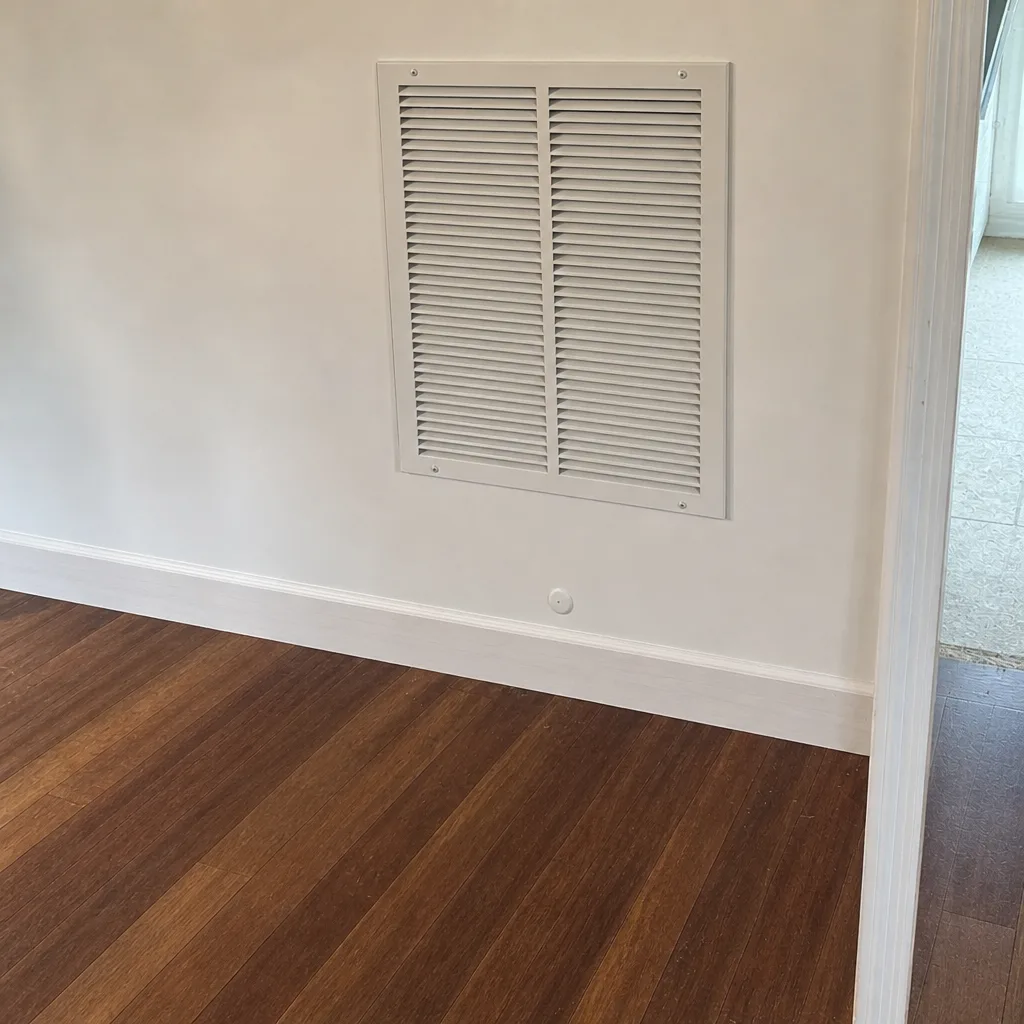
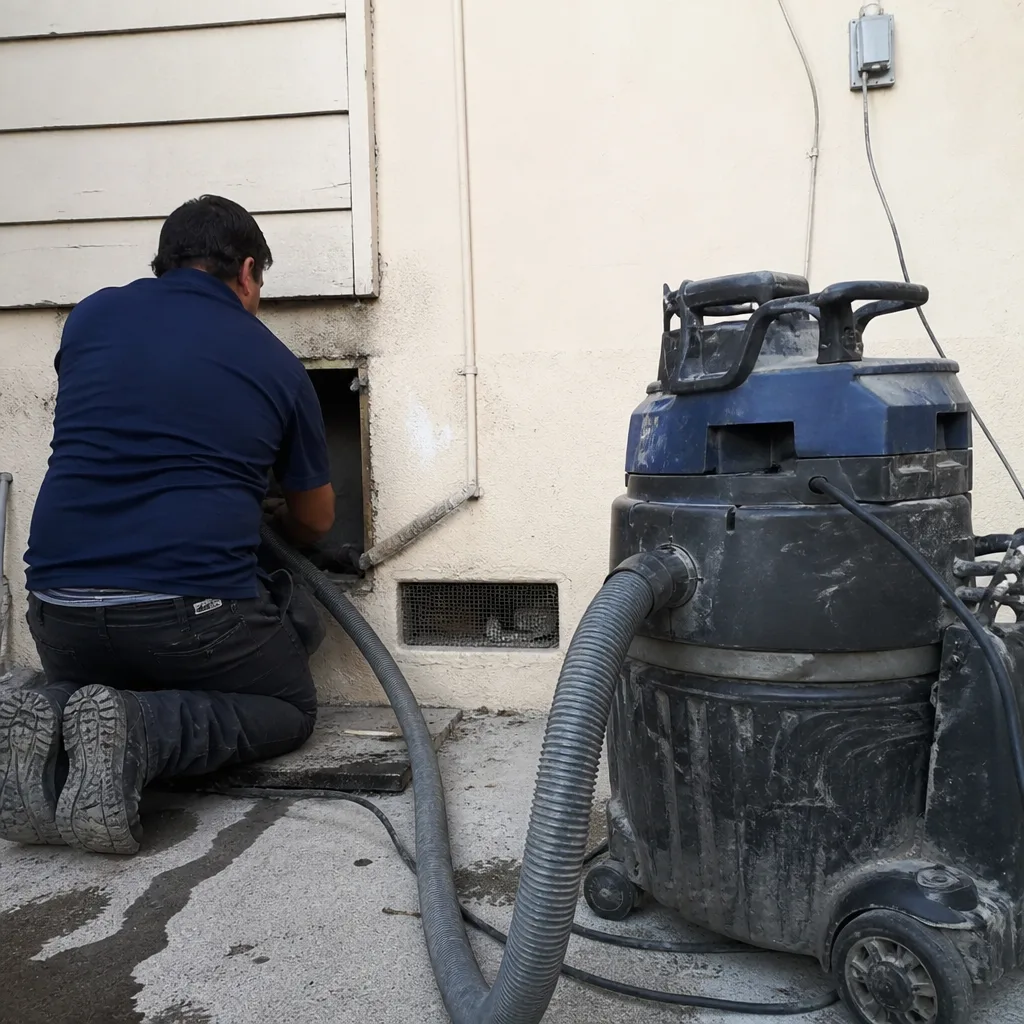
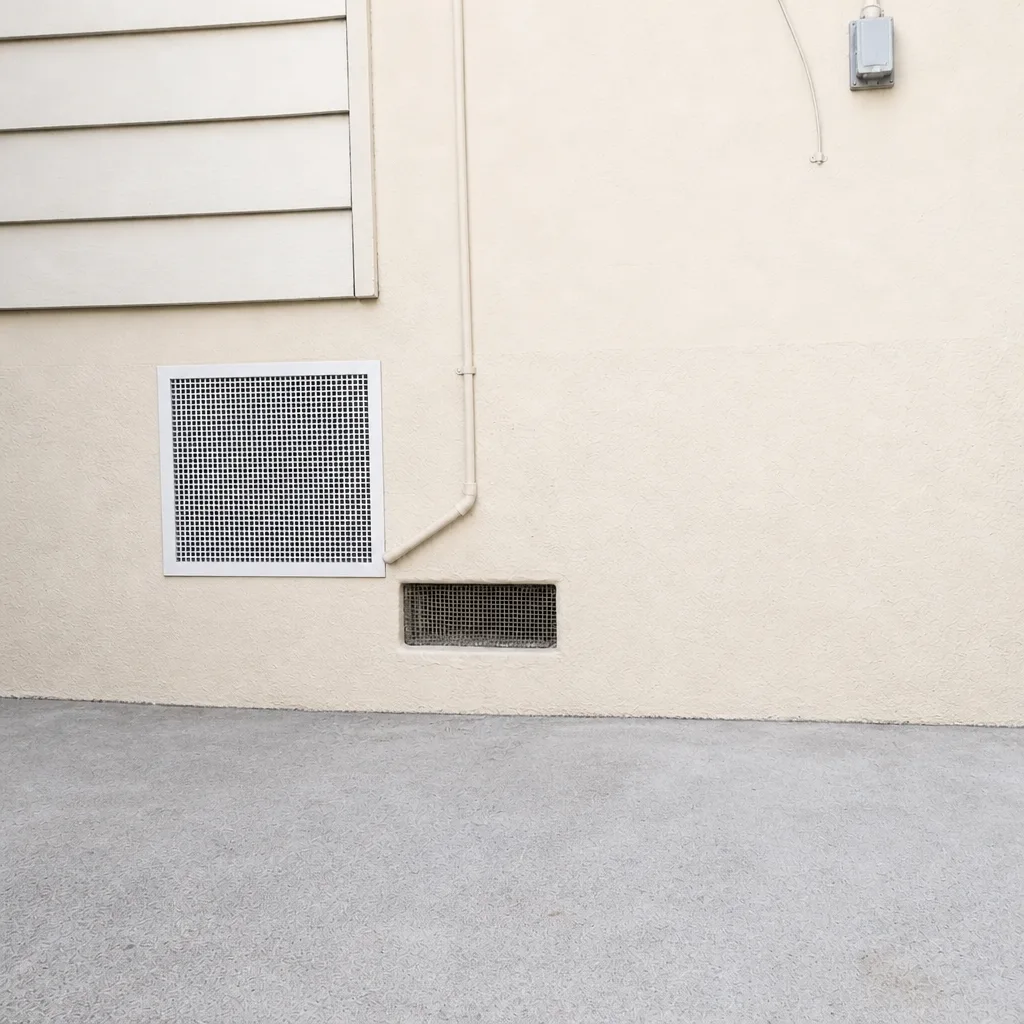
Whole-system duct and dryer vent check with before-and-after photos - you see exactly what came out of your vents
That "$99 whole-house special" is a bait ad - the real number appears once they are in your hallway, or the "clean" is a shop-vac at the register. We photograph the inside of your ducts before and after instead.
Air Duct Cleaning Maintenance Checklist for Downtown Santa Ana Homeowners
If your checklist still says “change the filter every 90 days,” it was written for a climate that isn’t Downtown Santa Ana’s. In the downtown corridor, a single Santa Ana wind event can load a MERV-8 filter to capacity in under two weeks, and wildfire smoke alerts push it faster still. The national timeline isn’t wrong so much as it doesn’t apply here. This guide gives you a maintenance calendar tied to the triggers Downtown Santa Ana homeowners actually face: the wind season, smoke days, summer humidity, street-level construction dust, and aging duct materials in older buildings. You’ll get inspection checkpoints you can do without tools, a filter selection method that accounts for airflow resistance, and the red flags that mean it’s time to call.
Quick Answer
Air ducts in Downtown Santa Ana need a visual check every month, a filter change every 30-60 days during Santa Ana wind season and smoke events, and a whole-system cleaning every two to three years for most homes. Coil and blower cleaning, sealing gaps at accessible flex duct connections, and dryer vent cleaning run on their own shorter cycles. The schedule flexes with local triggers rather than a fixed national timeline.
Styles & brands we work with
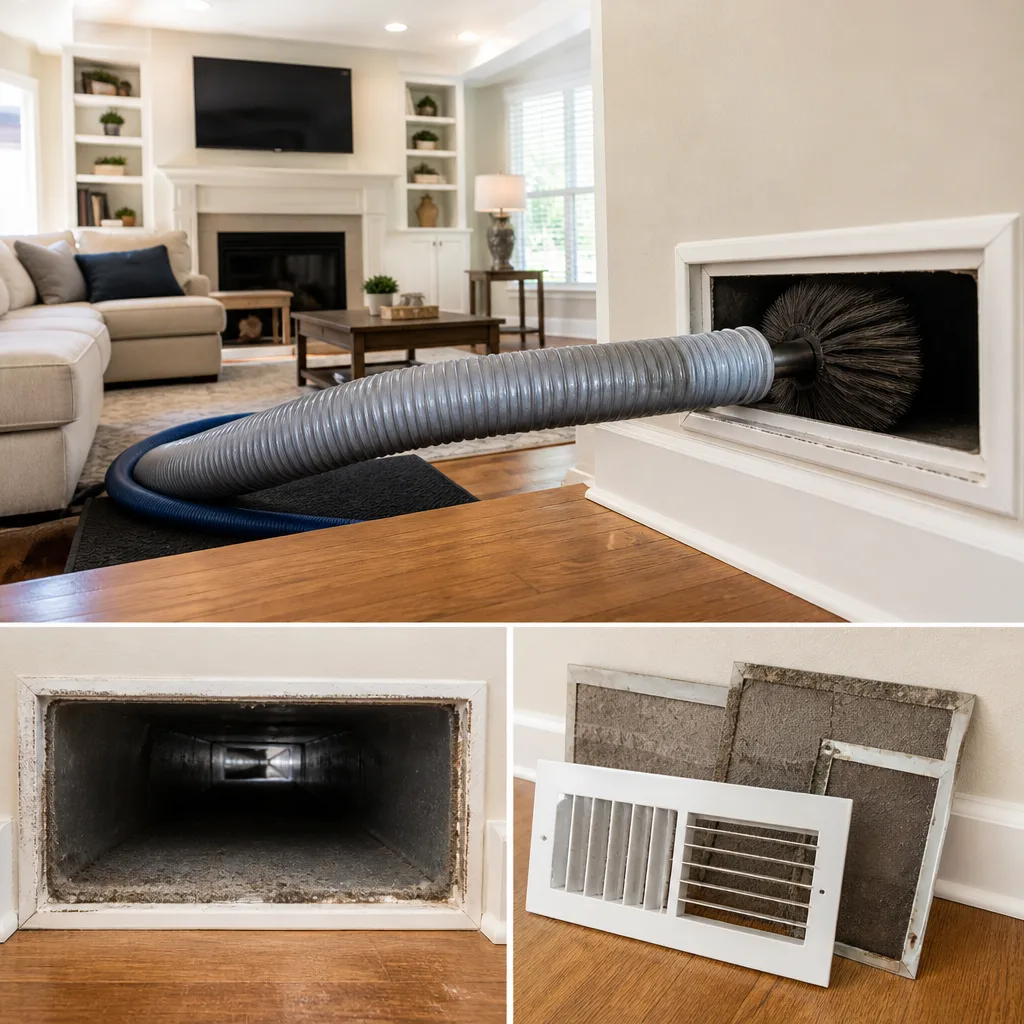
- Whole-home duct cleaning
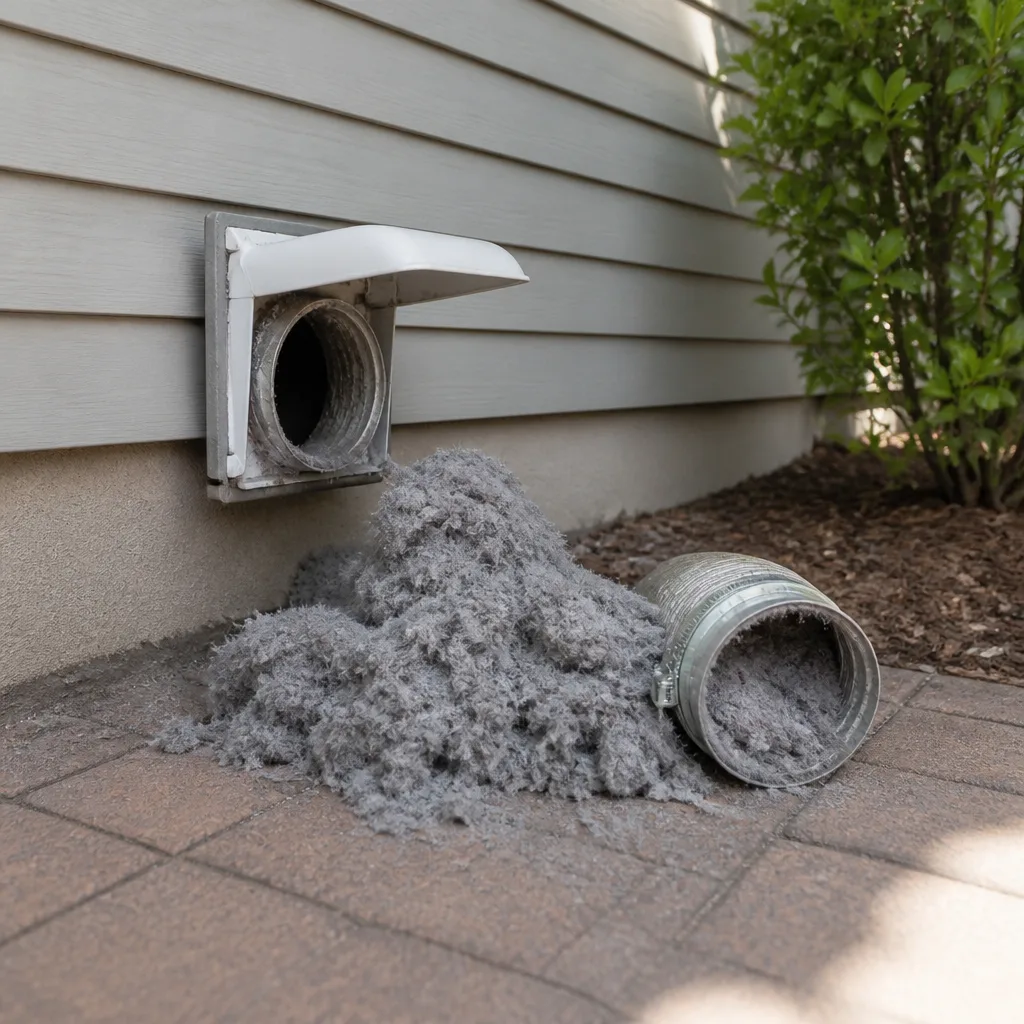
- Dryer vent cleaning
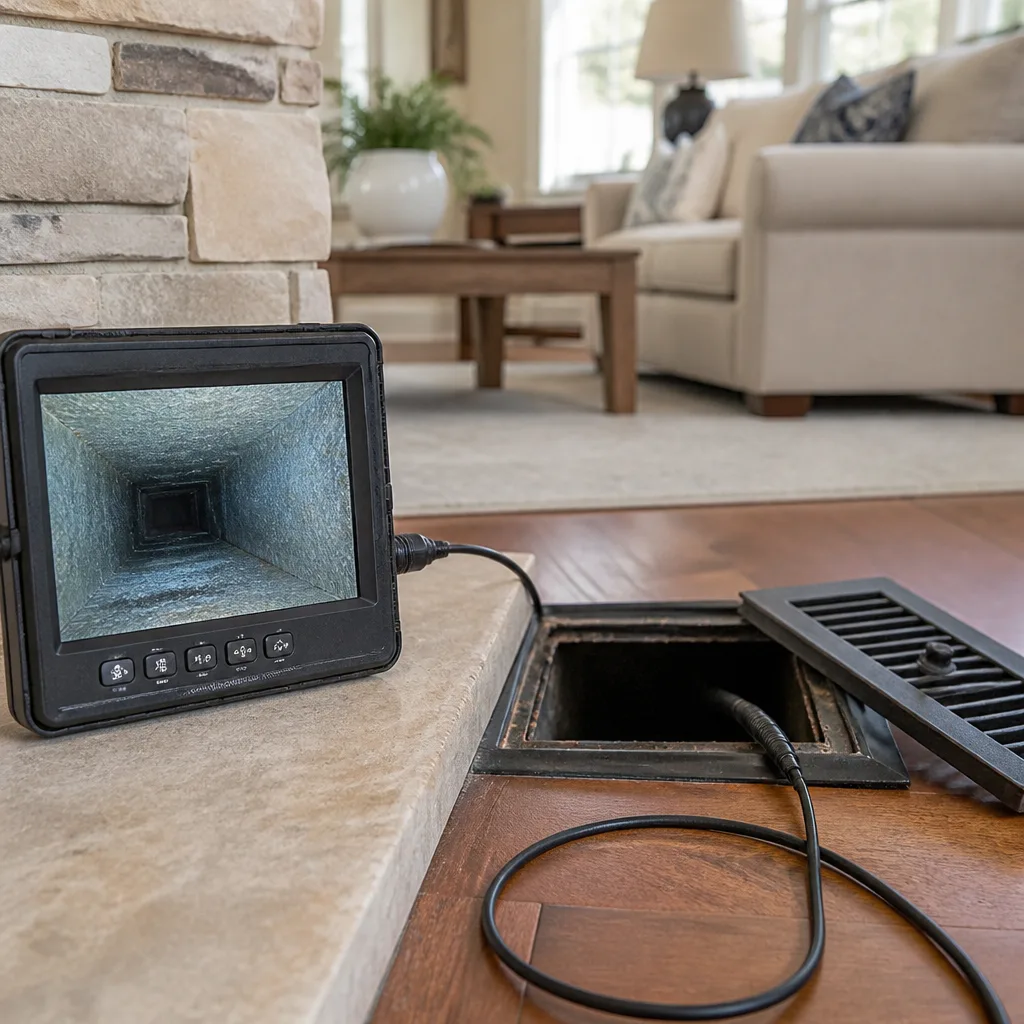
- Camera inspection
- Sanitizing & deodorizing
Table of Contents
- Why a Downtown Santa Ana Duct Checklist Differs From the National Timeline
- The Monthly Trigger Calendar
- Visual Inspection Checkpoints You Can Do Without Tools
- Filter Selection: Why MERV Rating Alone Isn’t Enough
- Checklist Items for Multi-Family and Mixed-Use Buildings
- Red Flags That Move an Item From “Monitor” to “Call This Week”
- The Annual Deep-Clean Checklist
- Frequently Asked Questions
Why a Downtown Santa Ana Duct Checklist Differs From the National Timeline
Most duct maintenance advice comes from a template designed for a temperate climate with predictable seasons. Downtown Santa Ana doesn’t run on that schedule. The city sits inland from the coast, which means two humidity cycles rather than one, and it takes the full force of the Santa Ana winds that funnel through the region from the canyons to the east. Those winds arrive dry and fast, lift loose soil and construction debris off street-level projects, and push it into every return grille on the block.
The result is a maintenance rhythm that looks reactive on paper but is entirely predictable if you know the calendar. Here’s what makes Downtown Santa Ana different:
- Wind season: The strongest events thin outdoor air quality and load filters with fine dust and particulate matter within days, not months. The clean-sides of your filters will look fine while the intake sides are dark.
- Wildfire smoke alerts: Even distant fires push smoke into the basin and through return air. A filter that was changed three weeks ago may already be saturated after a sustained smoke event.
- Summer humidity spikes: Coastal moisture pushes inland on summer afternoons. In ducts with old insulation or unsealed boots, that moisture feeds musty odor and, eventually, microbial growth on coil surfaces.
- Street-level construction dust: The downtown corridor has continuous renovation and infill. That dust is finer and more abrasive than ordinary household dust, and it accumulates in return plenums faster.
- Aging duct materials: A good share of downtown housing stock predates modern flex duct standards. That means you’re checking connections and duct-wrap integrity, not just cleanliness.
The punchline: a fixed 90-day filter schedule will either over-service you in a calm year or leave you under-protected through a wind-and-smoke season. A trigger calendar is more accurate. Professional air duct cleaning Downtown Santa Ana starts with reading those local triggers, not running a brush through on autopilot.
The Monthly Trigger Calendar
Treat this calendar as a starting point, then adjust based on what your own registers show. Each month’s focus reflects the dominant local driver, not an arbitrary rotation. You’ll still check the obvious things every month: filter condition, register airflow, and any new odor at a supply or return.
January – February: Cold-Morning Recovery Check
Winters here are mild, which changes the failure mode. Instead of freeze damage, the risk is a heating system working harder after a dormant stretch. Check that return grilles aren’t blocked by furniture or seasonal storage. Confirm airflow at every register in each room; a weak register in one room often signals a loose connection or a partially closed damper, not a duct-cleaning problem.
March – April: Pre-Wind-Season Filter Reset
Change filters at the start of the period and again midway. Inspect return plenum interiors for grit. If you see a visible layer of pale dust on the blower housing, that’s your signal that fine particulate is already accumulating on equipment. This is also the right window to confirm accessible flex duct connections are secure as air handlers start running longer.
May – June: Smoke Season Prep
Smoke alerts are unpredictable but more common in the warm months. Keep a fresh set of filters on hand so you can swap within 48 hours of a sustained smoke event without scrambling. Watch for a faint smoke or char odor from registers after a smoke day. That odor means the odor is coming through the system itself, and a filter swap alone won’t clear it.
July – August: Humidity Spike Inspection
This is when a musty smell reveals itself. Check the coil drain pan area and accessible duct sections for condensation. Run the system briefly and listen for new whistle or rattle at supply registers; that’s often a tell for a dislodged or unsealed boot. If you have any unsealed flex duct in a warm, humid attic or closet, note it for a sealing appointment.
September – October: Dust Load Peak
Late summer and early fall combine wind events with peak construction dust downtown. Change filters more often, and if the register flow feels weaker than it did in spring, this is a good time to book professional cleaning before the heating season. A rough rule we’ve seen hold in Downtown Santa Ana: a home near an active construction block needs cleaning roughly one cycle sooner than an interior street.
November – December: Full-System Review
Cycle through every register and return with a flashlight. Check the filter rack for bypass. Confirm dryer vent flow (your dryer vent is a fire-risk item, not a checkbox; we cover its schedule separately). This is a smart month to schedule whole-system cleaning before the house closes up for the mild winter.
Visual Inspection Checkpoints You Can Do Without Tools
You don’t need a borescope to catch most of what matters. A flashlight, a phone camera, and ten minutes per season cover the majority of the visible clues. Here’s the inspection route to walk.
- Supply registers: Remove one register cover (most lift out or need a single screwdriver). Look at the damper and the visible duct behind it. Dark streaking at the boot edge, or dust clinging to the register frame with a greasy feel, both point to airflow that’s moving more particulate than the filter is catching.
- Return grilles: The return typically shows the real story because it pulls the most air. Look for a visible gray layer on the grille face after a week. Fine pale dust is normal; a thick, matted dark layer signals a saturated filter or a bypass around the filter.
- Accessible flex duct connections: Where flex duct connects to a boot, collar, or plenum, check for separation of the outer jacket. A visible gap between the inner liner and the plenum collar is a leak, and it’s letting conditioned air (and dust) into a wall cavity rather than your room.
- Filter rack fit: A filter that sits loose in its slot lets air around the edges, which is worse than a dirty filter because unfiltered air reaches the coil. Look for bright dust on the downstream side of the filter slot.
- Coil and drain pan (access permitting): A flashlight glance at the indoor coil edge for dust matting and standing water in the drain pan tells you a lot. Standing water in an AC pan is a microbial growth setup, and Downtown Santa Ana’s summer humidity makes it more likely here than in a drier climate.
- Dryer vent exterior: Check the outdoor flap for lint accumulation and airflow. A visible wad of lint at the termination, or a flap that barely opens when the dryer runs, is a fire-risk cue and a job for professional dryer vent cleaning.
Take phone photos of each checkpoint each season. The before-and-after record is exactly what we hand back after a professional job too, and it’s how you verify that what you paid for actually happened.
Filter Selection: Why MERV Rating Alone Isn’t Enough
The instinct after a smoke event is to buy the highest MERV filter on the shelf. That instinct is half right. A high-MERV filter catches more fine particle mass, but it also adds static pressure drop to the system, and a downtown home with older flex duct and a small air handler can’t absorb that pressure without losing airflow. Lower airflow means the coil gets colder, condensation rises, and you trade a particle problem for a moisture problem.
Here’s how to pick a filter for Downtown Santa Ana’s actual load:
- Match MERV to your system, not to the label on the box: A MERV-8 or MERV-11 pleated filter is often the realistic ceiling for older downtown systems with restrictive ductwork. High-MERV media in those setups can starve the blower.
- Account for pressure drop: Every filter has a pressure drop rating. If your system’s blower is already working hard, a filter with a lower pressure drop at the same MERV rating is the better buy. Ask a technician to measure static pressure at the air handler before deciding on a high-MERV step up.
- Buy in a size that fits snugly: A loose filter bypasses more than a dirty one. Measure the slot, not the old filter, and don’t accept gaps at the edges.
- Keep a seasonal stock: During wind and smoke season, keeping two fresh filters on hand lets you swap without a store run. Change filters more often in a smoke-window, then return to your normal cycle.
- Consider a media cabinet over a 1-inch slot: For homes on the downtown corridor with year-round construction dust, a deeper media filter cabinet holds far more dust before pressure drop climbs. It’s a mechanical upgrade, not a filter swap.
Filter selection is one reason a proper air duct cleaning visit includes a look at the air handler and filter rack, not just the ducts. Choosing the wrong filter for a downtown system is the most common cause of the exact complaint we hear most: “the ducts were just cleaned, why do I still have weak airflow?”
Checklist Items for Multi-Family and Mixed-Use Buildings
Downtown Santa Ana’s core is dense with multi-family and mixed-use buildings, and they behave differently from single-family homes. Several units share a common return or a corridor pressurization system, so one unit’s dust load becomes the neighbor’s problem. Here’s what to add to the checklist.
- Confirm your unit’s air boundary: Identify whether your return is a private return or shared with a corridor. If it’s shared, filter changes in your unit don’t protect you from what neighbors draw in. Note where the boundary is on the first inspection.
- Check for pressure imbalance at unit doors: A hallway door that whistles or is hard to close while the system runs is a sign the unit is under negative or positive pressure relative to the corridor. That imbalance pulls unfiltered air through gaps.
- Ground-floor units and street dust: Units on the ground floor of a mixed-use block get the largest share of street-level construction dust. Expect a shorter filter and cleaning cycle.
- Coordinate with property management on shared systems: Whole-building HVAC cleaning is a property-manager decision, not a unit-level one. Get the building’s cleaning schedule in writing so you know when shared equipment was last serviced.
- Check your neighbors-facing wall penetrations: Duct routing through shared walls means any loose connection in a cavity can cross unit lines. Note any new musty odor that appears only near a shared wall.
For property managers running multiple units, the practical schedule is to book a whole-building HVAC cleaning on the same cycle as the individual units so the system is treated as one air boundary, not a stack of unrelated apartments.
Red Flags That Move an Item From “Monitor” to “Call This Week”
Most checklist items are “keep watching, log it, act on a schedule.” A few aren’t. These conditions have a habit of turning into bigger and costlier problems if left for a monthly cycle. If you see any of the following, book a professional visit this week.
- A persistent musty or smoky odor that returns within a day of a filter change: The source is upstream of the filter (coil, plenum, or duct insulation), and it won’t clear on its own.
- Visible mold on a register or boot edge: Condensation plus organic dust is a growth environment. Don’t treat it as a cosmetic wipe-down; the moisture source needs to be found.
- A dryer that takes longer than one cycle to dry a normal load, or a hot dryer door: This is a fire-risk signal tied to restricted vent airflow, and it’s the number-one reason dryer vent cleaning is a dedicated service and not a bundle add-on.
- Airflow that drops noticeably in one or more rooms after a filter change: A collapsed or disconnected flex duct is escaping into a wall cavity.
- Whistling or roaring sounds from registers that weren’t there before: Pressure imbalance or a dislodged damper.
- Water in the drain pan or on the coil housing: A condensation problem that needs to be corrected before microbial growth establishes.
- Visible lint accumulation at the outdoor dryer vent or a flap that stays barely open: Blocked vent, fire risk, needs cleaning and inspection.
When two or more of those show up together, don’t stagger the appointments. A single visit that inspects the whole system, the coil, the dryer vent, and the duct sealing in one pass is quicker and gives you a coherent picture.
The Annual Deep-Clean Checklist
Once a year, for most Downtown Santa Ana homes, the whole system gets a proper look rather than a spot check. Here’s what a professional annual pass should cover, so you know what to ask for. Our technicians have up to 10 years of experience and use Rotobrush and Nikro systems, which are professional-grade duct cleaning platforms rather than commodity shop-vac setups.
- Full system inspection: Registers, returns, plenums, accessible duct runs, and air handler. Photographs of conditions before any work begins.
- Source removal cleaning of the ducts: Rotobrush contact cleaning for the wall of the duct, then negative-pressure containment so debris doesn’t redistribute into the home.
- Coil and blower cleaning: Matting on the coil and blower wheel is checked and cleaned where accessible. See HVAC cleaning for what that involves.
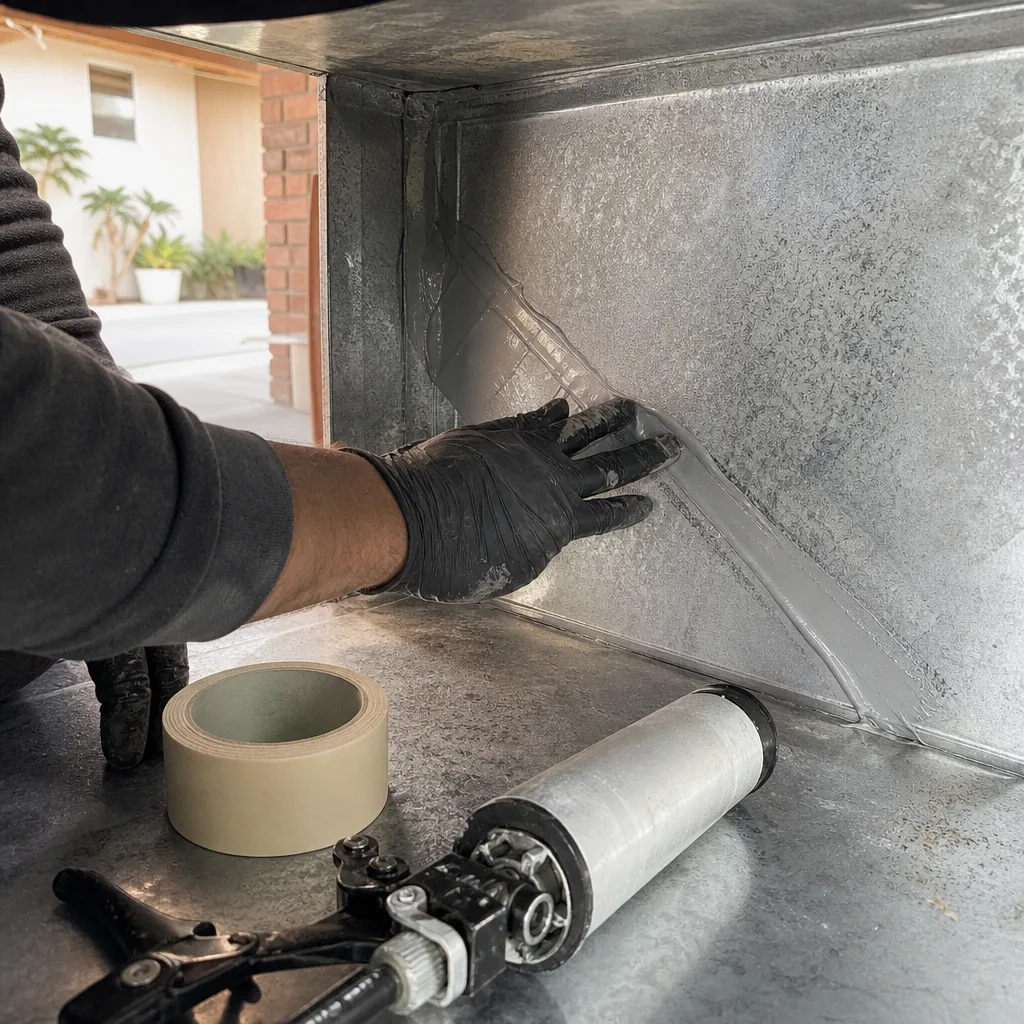
- Duct repair and sealing: Any loose connection, separated flex jacket, or unsealed boot gets sealed. Cleaning alone doesn’t stop dust from re-entering through the same gaps. We also seal what’s letting contaminants back in, as part of the same visit.
- Dryer vent cleaning: A dedicated service, done with lint removal and exterior termination check, not an afterthought.
- Air quality and sanitizing where needed: For homes with persistent odor or contamination, we integrate Aprilaire and Honeywell products into the air quality and sanitizing service.
- Before-and-after documentation: Photos of every duct run and register we cleaned, handed back so you can verify the work was done.
Between annual passes, your own monthly checks keep the cadence honest. A duct system that’s sealed and clean holds its performance longer if you’re matching filter choices to the actual dust load and catching small leaks before they grow.
Common Mistakes to Avoid
- Following the 90-day filter rule in wind season. A Downtown Santa Ana wind week can load a filter in ten days. Check the intake side with a flashlight, not the calendar.
- Buying the highest-MERV filter you can find. Restrictive filters on older downtown systems cause weak airflow and higher humidity. Match the filter to the blower, not to the marketing.
- Skipping the dryer vent because the dryer still runs. Restricted vent airflow is a fire risk, and a dryer that’s still working can hide the problem for months. Treat it as a separate service.
- Cleaning ducts without sealing them. Cleaning removes the dust; the gaps that pulled it in are still there. Both steps belong in the same visit.
- Ignoring one weak register. One bad register is usually a leak, not a cleanliness issue. Catch it before the cavity behind the wall becomes the problem.
- Treating a shared-return multi-family unit like a single-family home. In mixed-use buildings, your filter protects your unit, not the building. Coordinate shared-system cleaning with management.
- Accepting a coupon price without asking what’s excluded. A price that only covers one visible run isn’t the price for a full-system clean. Get a written estimate before work begins.
See the difference
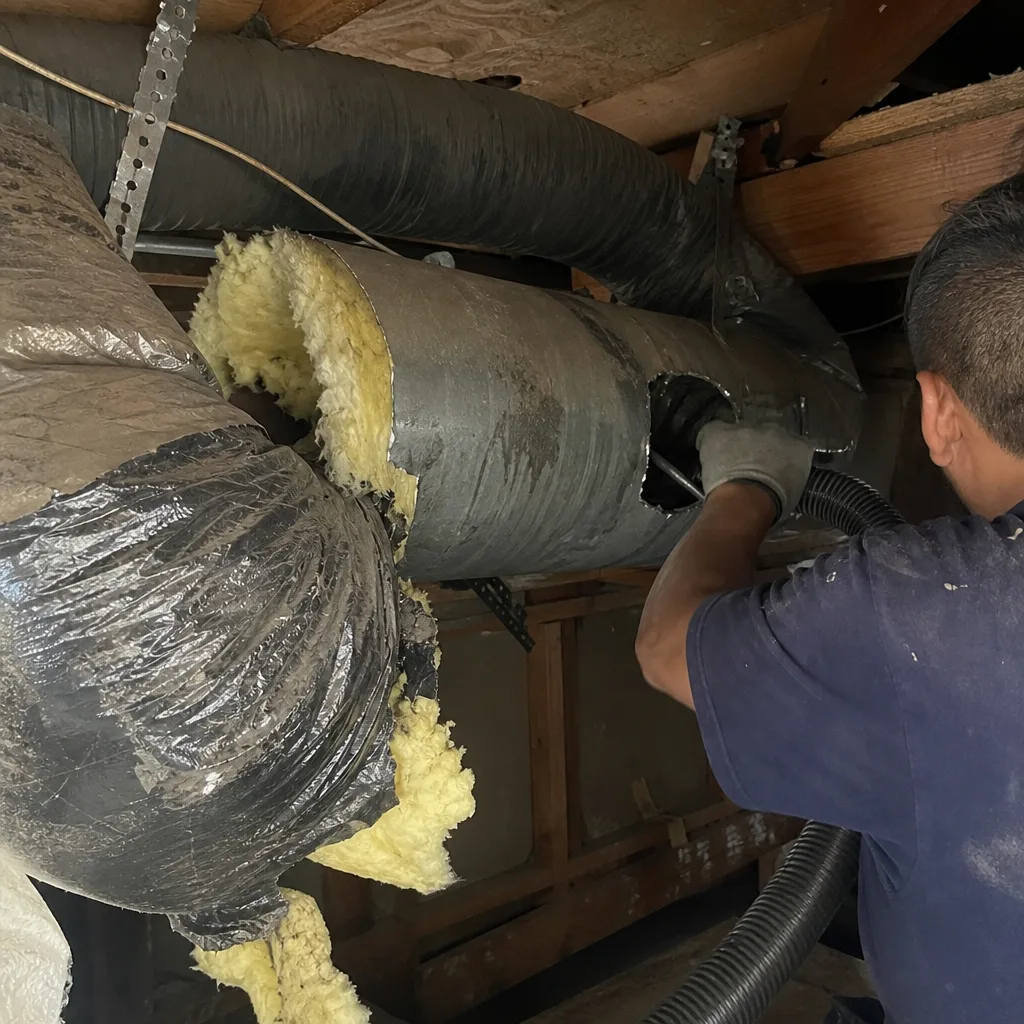 Before
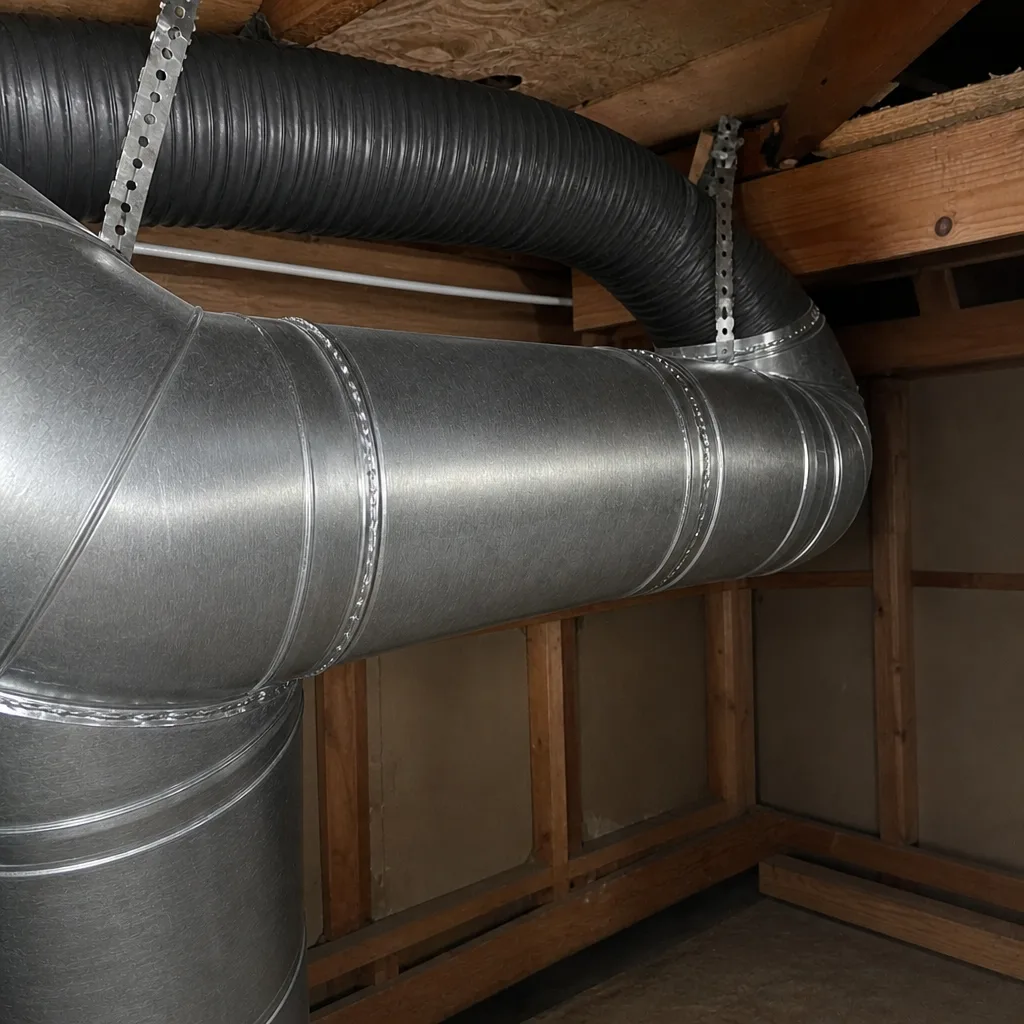 After
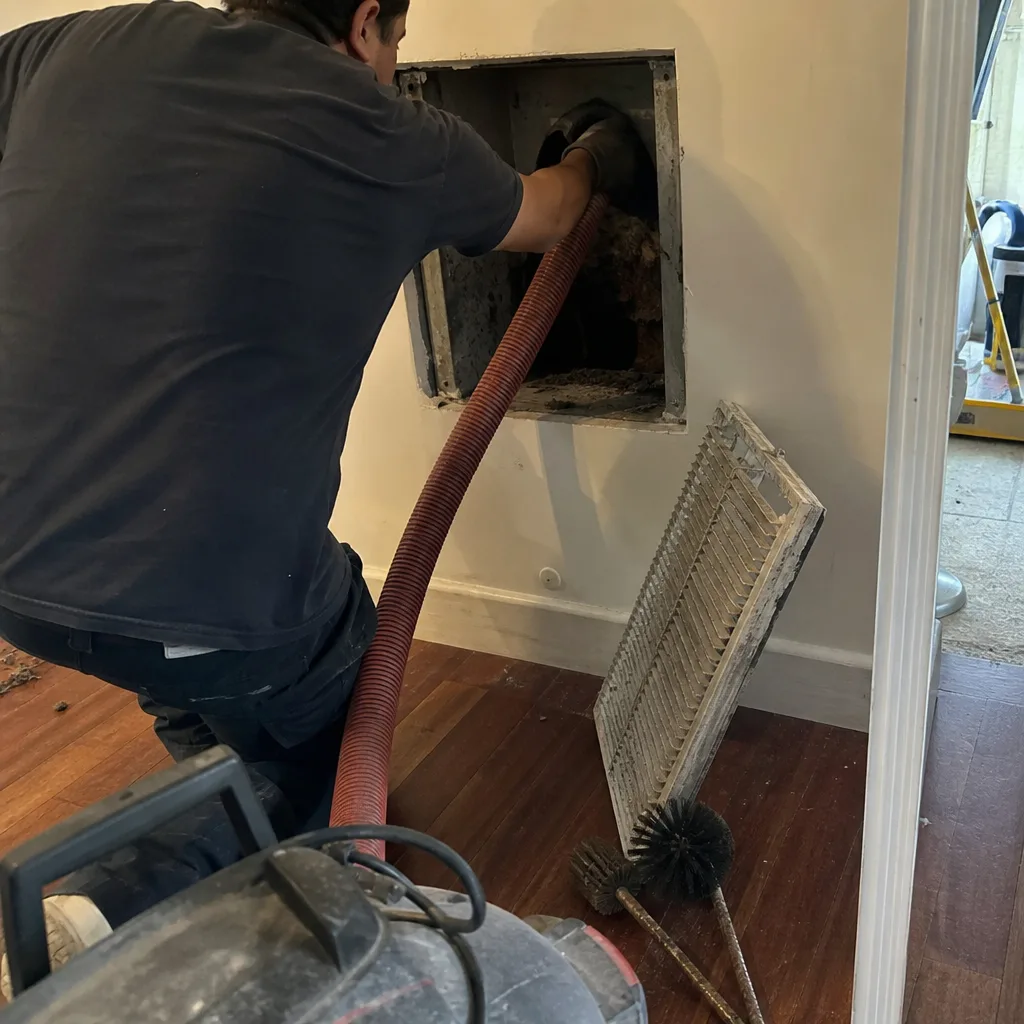 Before
 After
 Before
 After
When to Call a Professional
Call a professional when the checklist crosses from “I can see it and it’s manageable” to “I can smell it, hear it, or feel it.” Persistent musty odor after a filter change, visible mold at a register, a dryer taking more than one cycle, noticeable airflow loss in a room, or any water standing in the drain pan all call for an inspection rather than another month of monitoring. The same goes for a scheduled annual clean, coil and blower cleaning, and any duct sealing work. Sealing and repairs involve the air handler and sometimes the plenum, which are not home-tool jobs.
If you’re in a multi-family or mixed-use building and you can’t tell whether your return is shared, that’s also a call: it takes a professional on site to trace the boundary and tell you what you’re responsible for. Air Duct Cleaning Downtown Santa Ana offers free estimates in Downtown Santa Ana. Call (866) 545-1338. We answer 24/7. Fast dispatch from 7am to 7pm, Sunday through Friday.
Frequently Asked Questions
Most Downtown Santa Ana homes should have whole-system cleaning every two to three years, with annual coil, blower, and sealing checks in between. Homes near active construction, or in mixed-use buildings with street-level returns, usually land at the shorter end of that range. Filter changes run every 30-60 days during wind season and after smoke events. Call (866) 545-1338 for an exact quote for your system.
Yes. Santa Ana wind events lift fine dust and construction particulate off the downtown streets and push it through return air faster than in calmer weeks. A filter that would last a full quarter in a calm month can load in ten to fourteen days during a sustained wind event. Adjust your filter change to the event, not the calendar.
Only if your system can handle the added pressure drop. A MERV-8 or MERV-11 pleated filter is a realistic ceiling for many older Downtown Santa Ana systems with restrictive ductwork. A higher-MERV filter on a system that can’t support it starves the blower and raises humidity. Have static pressure measured before you step up.
Very cheap quotes often cover a single visible run or a surface brush pass rather than a full-system clean, and the invoice grows once the technician is on site. Ask what’s included in the written estimate, what equipment is used, and whether sealing is a separate line item before you compare. We use Rotobrush and Nikro systems so you know exactly what’s running in your ducts. Call (866) 545-1338 for an honest range.
Ask for before-and-after photos of your own ducts, register by register. A legitimate full-system cleaning produces a visible difference in photos and takes time to complete properly. If a visit is over in twenty minutes with no visual record, ask what was actually cleaned. Call (866) 545-1338 for a written estimate and a documented job.
First, find out whether your unit draws from a private return or a shared corridor system, because the answer changes who’s responsible for what. In shared systems, your filter only protects your unit. Get the building’s cleaning schedule from management and have your unit inspected on its own cycle. Call (866) 545-1338 and we’ll help you sort out which boundary applies.
The Bottom Line
Downtown Santa Ana ducts don’t run on a national timeline. The Santa Ana wind, wildfire smoke alerts, summer humidity, and street-level construction dust all set the pace, and a checklist that ignores them leaves you either over-servicing or under-protected. Filter choices have to match the system’s pressure, not just a MERV number. Dryer vents run on a separate fire-risk schedule. Multi-family returns need their own inspection. And the red flags we’ve covered are the items that turn from “watch it” to “call this week.” Our technicians have up to 10 years of experience and a full menu covering cleaning, sealing, and air quality under one contractor.
Contact
Air Duct Cleaning Downtown Santa Ana handles the full system: cleaning, dryer vents, HVAC, repair and sealing, and air quality solutions. One flat price per system, agreed before work starts, with before-and-after photos of your own ducts. Call (866) 545-1338 for a free estimate. We answer 24/7. Fast dispatch from 7am to 7pm, Sunday through Friday.
Written by the team at Air Duct Cleaning Downtown Santa Ana.