
Last updated November 24, 2026
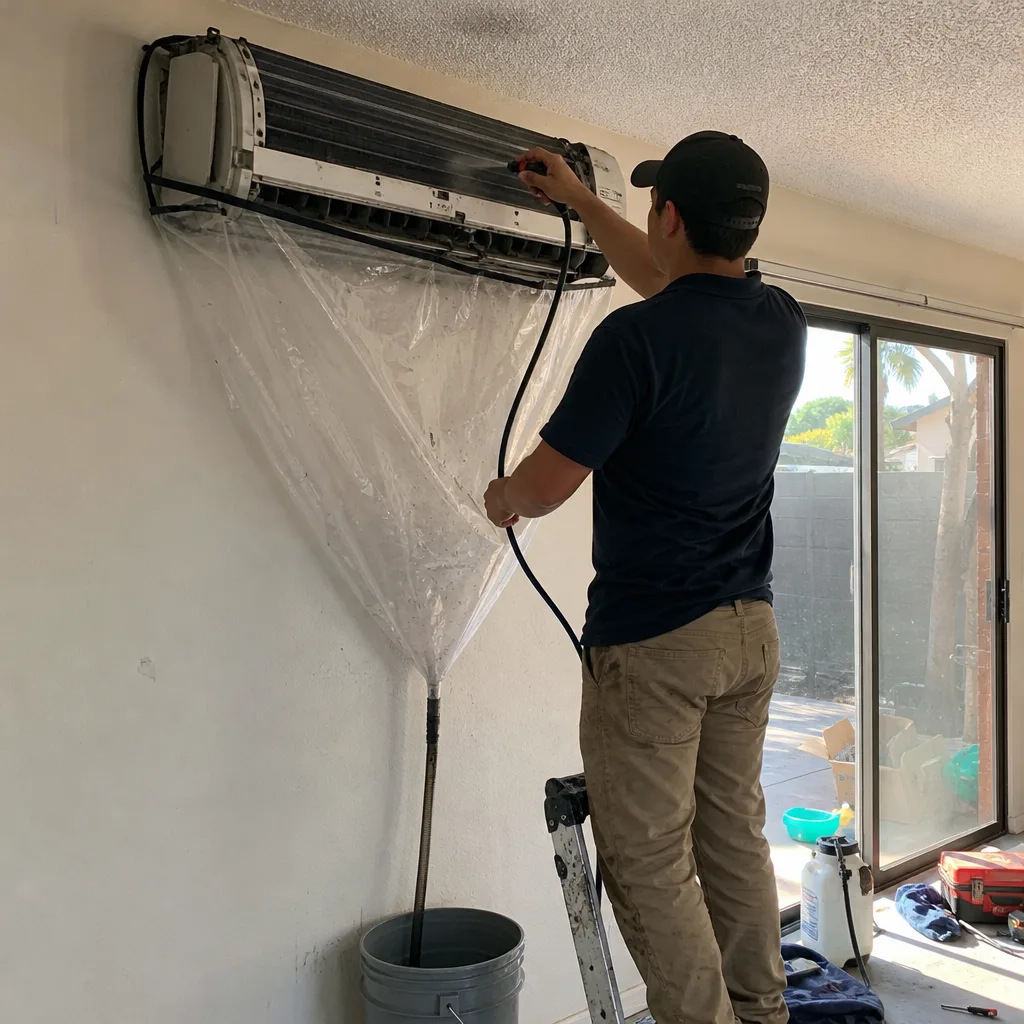
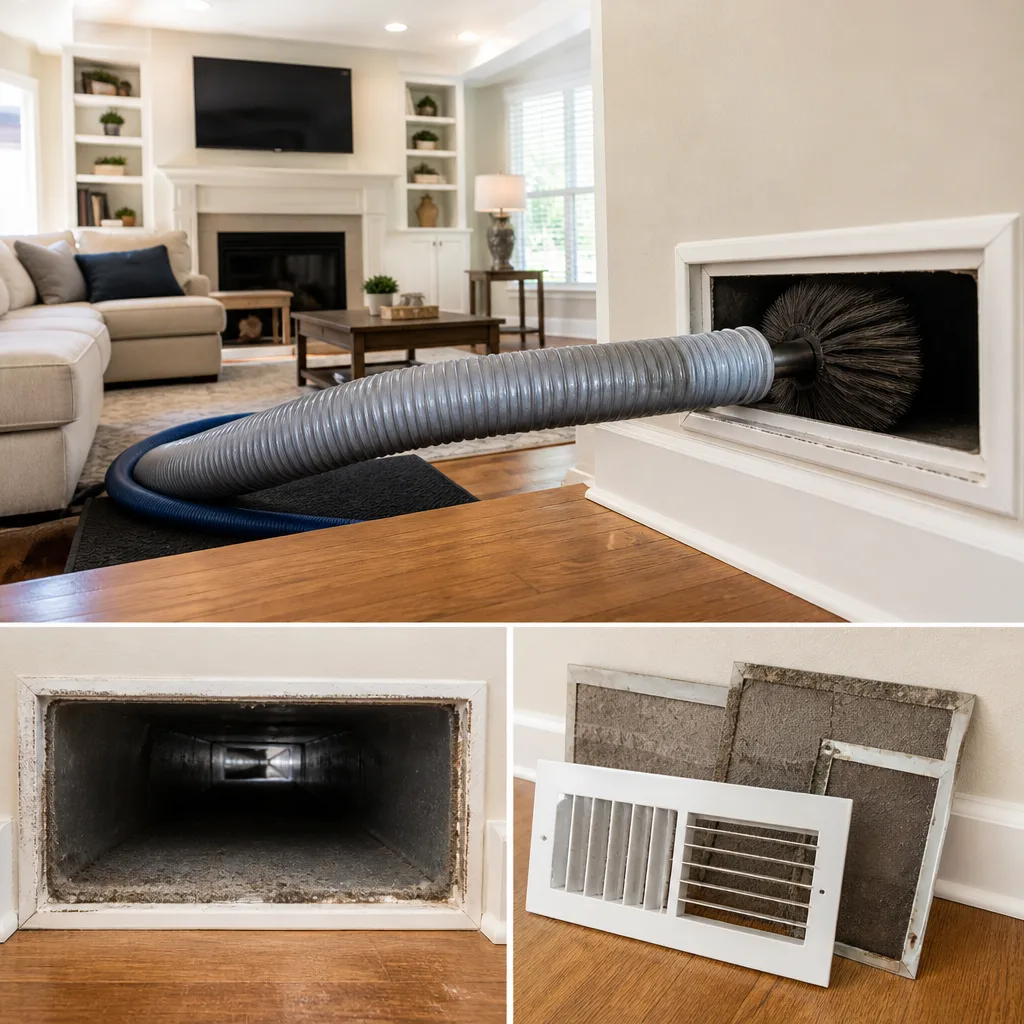 Whole-home duct cleaning
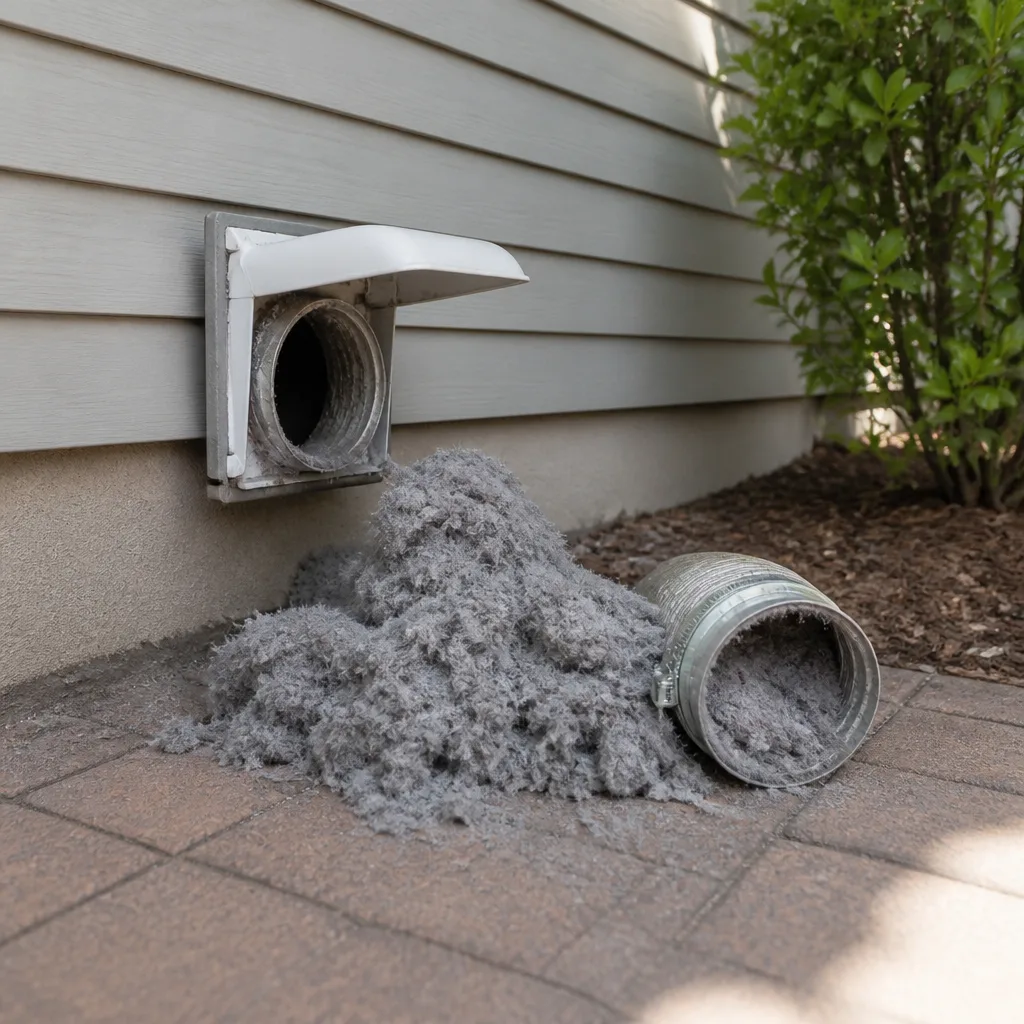 Dryer vent cleaning
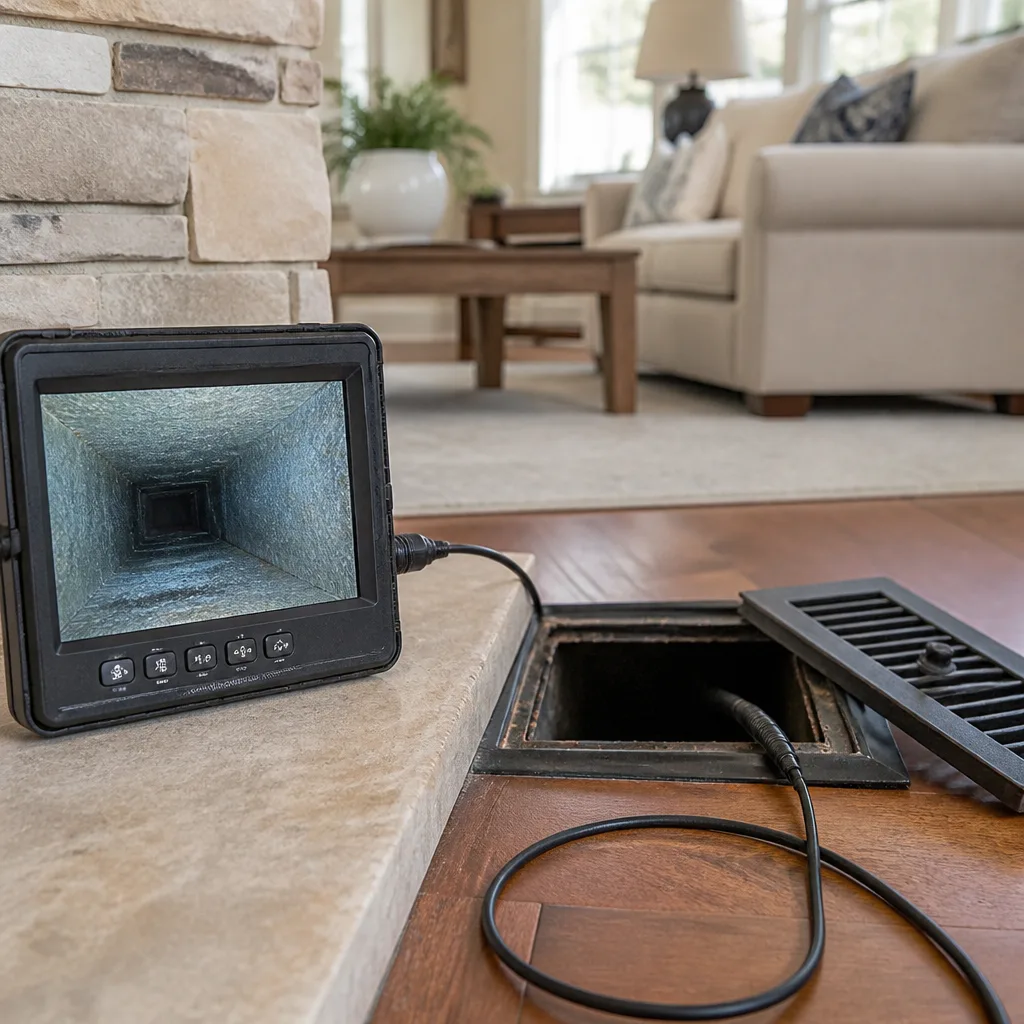 Camera inspection
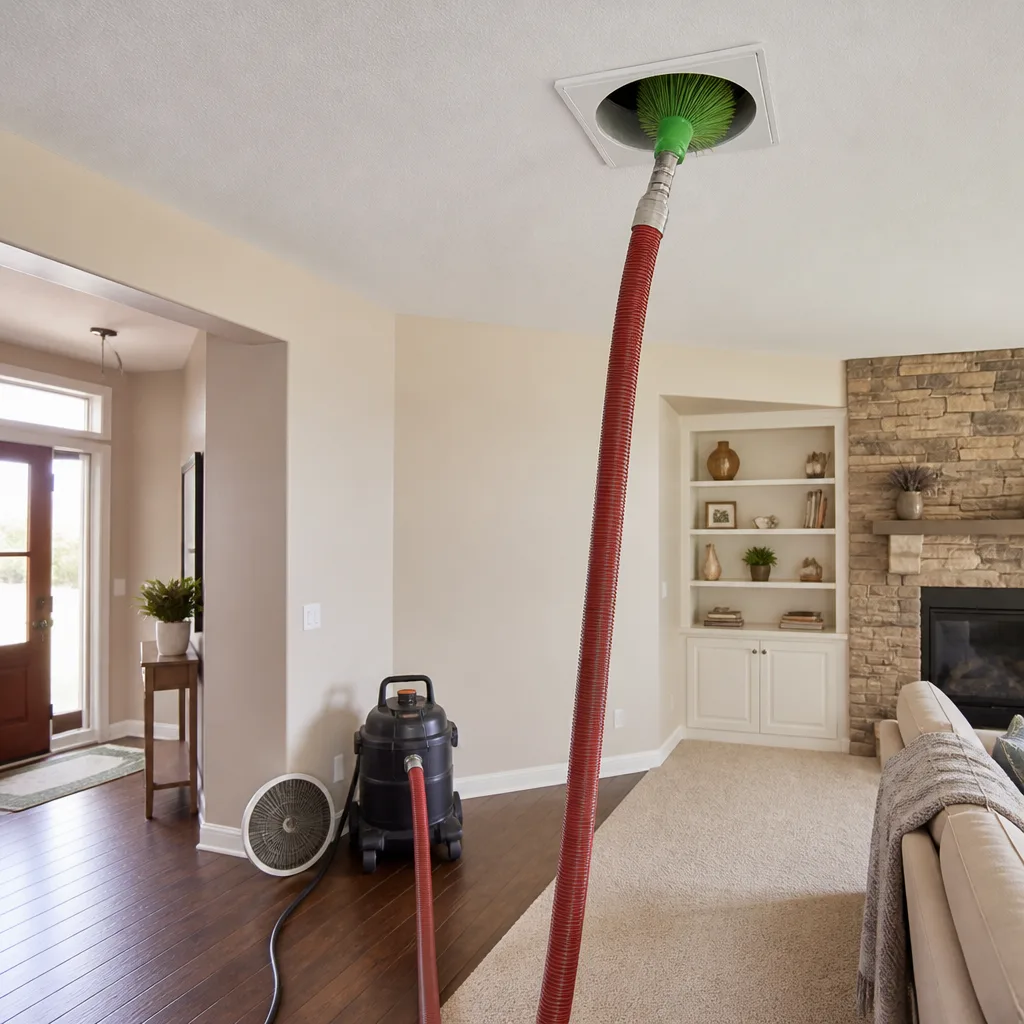 Sanitizing & deodorizing
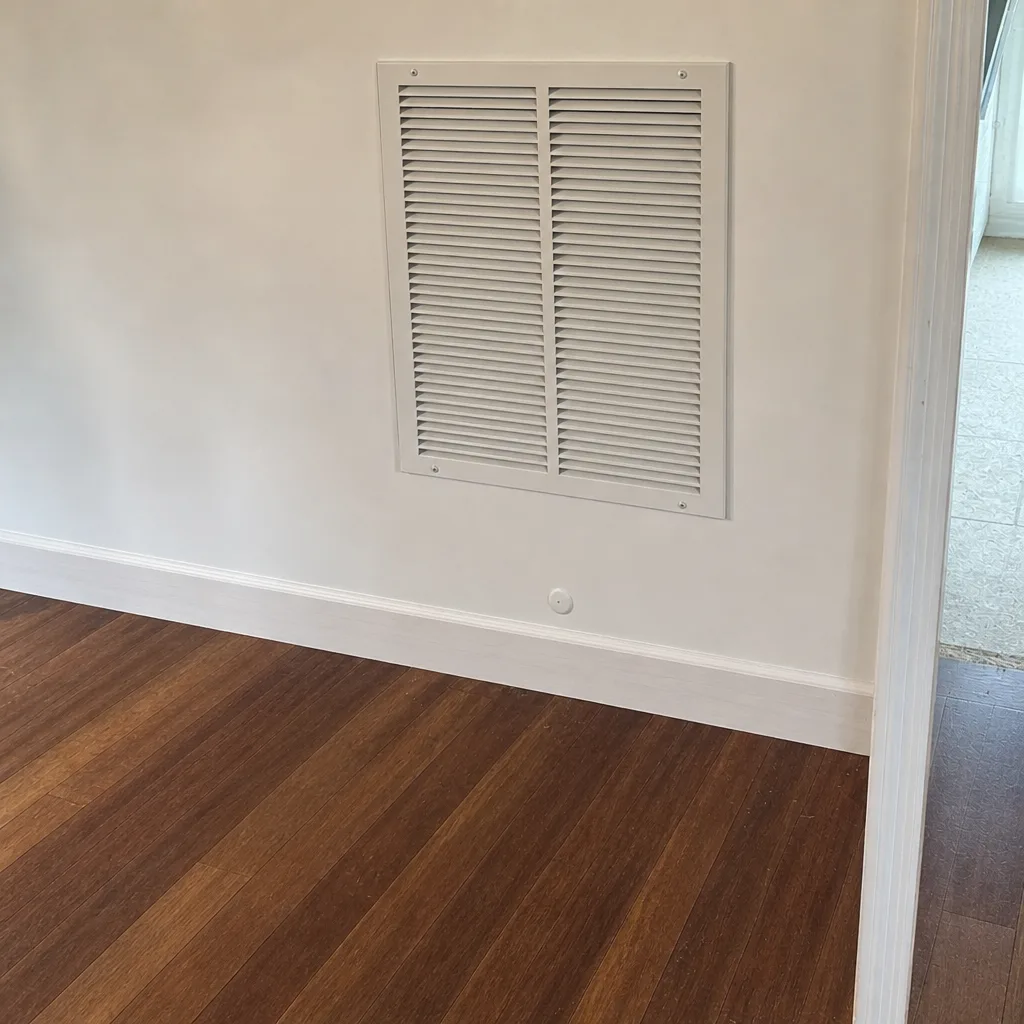
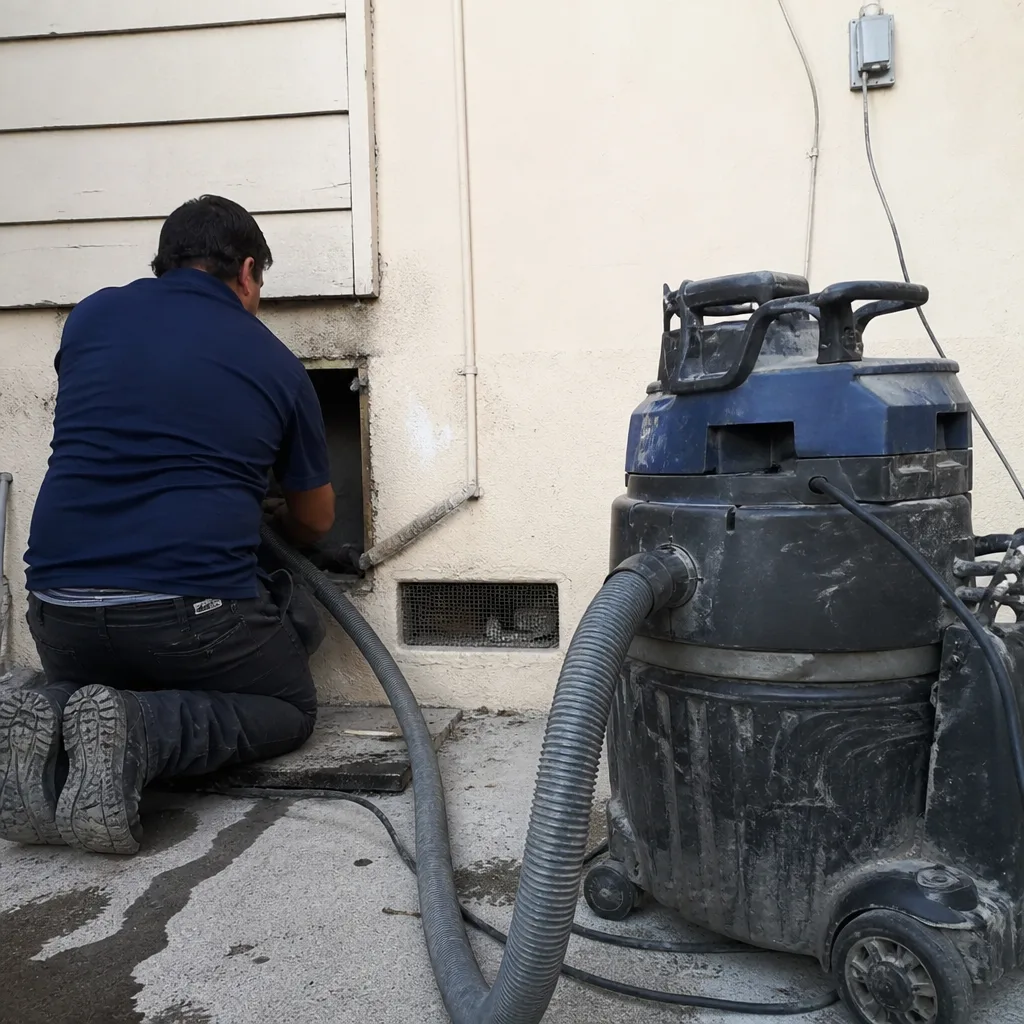
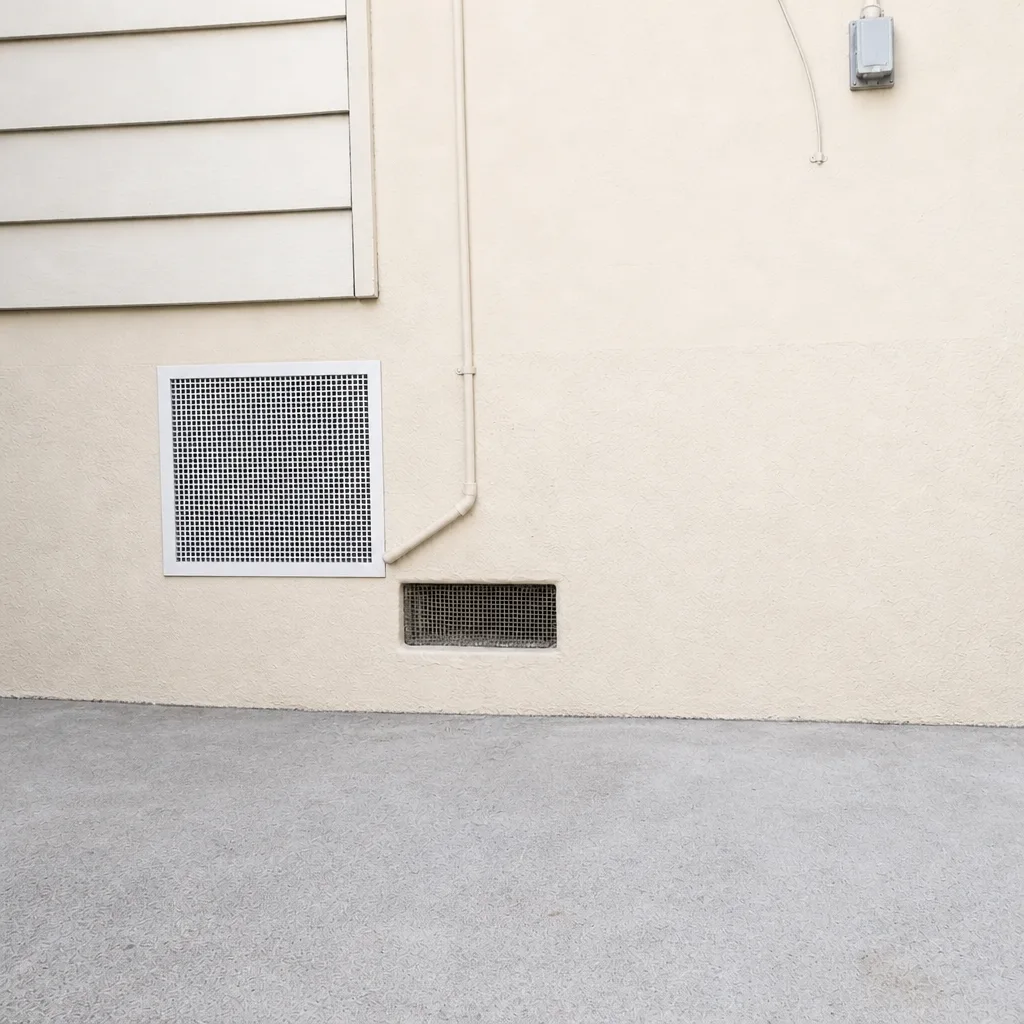
Whole-system duct and dryer vent check with before-and-after photos - you see exactly what came out of your vents
That "$99 whole-house special" is a bait ad - the real number appears once they are in your hallway, or the "clean" is a shop-vac at the register. We photograph the inside of your ducts before and after instead.
Air Duct Cleaning Warning Signs: A Downtown Santa Ana Homeowner’s Reference Guide
By the time you can see dust blowing from a register, you’re already past the point where cleaning alone fixes the problem. What most guides skip is that the duct system usually tells you something is wrong long before dust reaches a supply grille. In Downtown Santa Ana’s older housing stock, those early signals show up as uneven room temperatures, filters that load faster than they should, and attic flex duct that sags or pulls loose at the collar. This guide walks through the early warning signs, how to tell a contamination problem from a leakage problem, and when a sign means cleaning, sealing, or a full system evaluation.
Quick Answer
Air duct cleaning warning signs in a Downtown Santa Ana home usually start subtle: rooms that never quite match in temperature, filters that clog weeks ahead of their rated interval, and rising utility bills with no change in usage. Visible dust at the register or a musty smell is a later-stage signal, which often means contamination has reached the air handler and coil. Catching the early signs means a cleaning job rather than a cleaning plus repair plus air-quality job.
Styles & brands we work with
- Whole-home duct cleaning
- Dryer vent cleaning
- Camera inspection
- Sanitizing & deodorizing
Table of Contents
- Early Warning Signs Most Homeowners Miss
- Dirty Ducts vs. Leaky Ducts: Two Different Diagnoses
- Warning Signs in Downtown Santa Ana’s Older Housing Stock
- Mold in Ducts: What It Looks, Smells, and Tests Like
- Cleaning, Repair, or Full System Evaluation: Which Sign Means What
- Why Your Filter Is Loading Faster Than It Should
- What a Professional Duct Inspection Actually Checks
- How Often Ducts Really Need Attention
Early Warning Signs Most Homeowners Miss
The signs that matter most are the ones you feel rather than see. A room that runs a few degrees warmer than the rest of the house. A filter that needs swapping before the month is out. A power bill that creeps up even though nothing about your routine changed. In our experience, these are the indicators that a duct system has lost pressure or picked up enough debris to change how air moves through it, and they tend to appear months before dust ever reaches a register.
Here’s what to watch for in a Downtown Santa Ana home:
- Uneven room temperatures. A back bedroom that never cools like the front of the house suggests restricted or leaking airflow, not a thermostat problem.
- Filter loading faster than its rated interval. A one-inch filter rated for three months that’s gray at six weeks is telling you something is bypassing the return or the system is pulling in more particulate than it should.
- Rising utility bills with no usage change. If your habits haven’t shifted but the bill has, start with the air system. Leaking or debris-packed ducts make the blower work harder.
- Faint, consistent odors in specific rooms. A smell that lives in one room and not another points at a branch duct, not the whole system.
- Increased dust on surfaces within a day or two of cleaning. Rapid re-soiling is a stronger signal than the initial dust itself.
What makes these early signs worth acting on is that each one has a low-cost fix and a high-cost escalation. A leaking collar joint addressed early is a sealing job. Left alone, that same leak pulls in attic dust and insulation fibers for years, and the fix becomes cleaning plus sealing plus an air-quality evaluation. For Downtown Santa Ana property managers juggling older multi-unit buildings, that escalation math is the whole argument for annual inspection.
If you’re already seeing the late-stage signs, or you simply want a baseline before problems compound, Air Duct Cleaning Downtown Santa Ana is where we start. A professional air duct cleaning inspection gives you a real read on the system, not a guess.
Dirty Ducts vs. Leaky Ducts: Two Different Diagnoses
Most homeowners assume a dust problem is a cleaning problem. Often it’s a leakage problem, and no amount of vacuuming fixes that. The two look similar from the living room and require completely different work. Getting the diagnosis right saves you from paying for a cleaning that leaves the real issue untouched.
Dirty ducts mean the interior of the duct system has accumulated debris: settled dust, construction residue, pet dander, and in older Downtown Santa Ana homes, sometimes years of accumulated material. Signs include visible dust at registers, a musty smell when the system kicks on, and a filter that loads quickly with gray particulate. Cleaning is the fix, using professional equipment like a Rotobrush or Nikro system that agitates and extracts rather than just blowing air around.
Leaky ducts mean air is escaping before it reaches the room, or unwanted air is being pulled in. Signs include:
- Strong temperature gaps between rooms served by different branches
- Whistling or hissing at registers when the system runs
- A utility bill that climbed without a usage change
- Attic or crawlspace smells showing up in living areas
- Insulation fibers or attic dust on the filter
The distinction matters because a leaking return in an older Downtown Santa Ana bungalow can pull attic air into the living space for years. That air carries everything the attic holds. Cleaning the ducts without sealing the leak means the contamination returns within weeks. Our approach pairs cleaning with duct repair and sealing so the root cause gets addressed, not just the symptom. That’s why we offer air duct cleaning and sealing as connected services rather than separate visits.
Warning Signs in Downtown Santa Ana’s Older Housing Stock
Downtown Santa Ana’s housing stock sits in a specific age band. Many of the homes and small apartment buildings in the district were built before flexible duct became standard, and many have had their duct systems retrofitted at some point with flex duct run through tight attics. That retrofit work is where most duct problems in the historic core actually live.
Here are the signs specific to this housing stock worth checking:
- Sagging flex duct in the attic. Flexible duct must stay as straight and taut as possible. When it droops, the inner liner compresses and airflow drops. A sag of a foot or more over a short run is a real restriction.
- Disconnected collar joints. Where metal connects to flex at the register boot or plenum, the tape or mastic has often failed after enough years. This is one of the most common leak sources we find in Downtown Santa Ana homes.
- Degraded duct board facing. Some attic runs use rigid duct board with a foil or fiberglass facing. Over time that facing tears, and the exposed board releases fibers into the airstream.
- Duct runs that cross without support. Duct laying across a truss or a joist gets crushed. That broken run is a silent airflow problem that never shows at the thermostat.
- Return plenum gaps in older wall cavities. In a home where the wall cavity serves as a return chase, any gap lets attic or interior-wall air mix with return air.
Downtown Santa Ana summers don’t hammer a duct system the way a desert climate would, but the inland heat is real and the attic temperatures get high enough to stress old tape and mastic. Mild winters mean the heating side runs less, so a heating-season leak can hide for years. The cooling season exposes it. If your AC has to run noticeably longer than it used to, that’s a sign the duct system is losing air, not that the unit has failed.
Mold in Ducts: What It Looks, Smells, and Tests Like
Mold in a duct system is a legitimate air-quality problem, and it needs mechanical removal, not a fogger. Here’s the plain truth: if you spray a sanitizer into a contaminated duct without physically removing the growth first, you’ve wet it and left the food source. Treating the living surface without cleaning the substrate is not remediation. That distinction matters, and it’s the one we make sure customers understand before any air-quality service begins.
What mold growth in duct work actually presents as:
- Appearance: gray, greenish, or blackish patches on the interior duct surface, often concentrated near the evaporator coil, in the return plenum, or at any spot where condensation forms. It can look like a light dusting at first.
- Smell: a persistent earthy, musty, or wet-cellulose odor that intensifies when the blower starts. The smell is more reliable than sight, because you usually can’t see the coil from a supply register.
- Testing: surface sampling and air sampling are the tools. A professional walk-through with a camera scope into the coil and plenum is the first step, and lab testing follows if the visual inspection suggests active growth.
Downtown Santa Ana homes with evaporator coils in tight closets or interior utility spaces are the ones most likely to develop growth, because moisture has nowhere to go when the coil sweats. The fix is mechanical removal of the growth, cleaning and sanitizing the surrounding surfaces, and correcting the moisture source. We use Aprilaire and Honeywell-backed air quality and sanitizing products for the treatment stage, and Abatement Technologies containment equipment for contamination work so the rest of the home doesn’t get exposed during the process. If you smell that musty note every time the AC kicks on, get it inspected before the growth spreads.
Cleaning, Repair, or Full System Evaluation: Which Sign Means What
Once you’ve spotted a warning sign, the next question is what kind of service it actually requires. Guessing wastes money. Here’s the decision framework we use to sort early signals into the right service line.
Call for cleaning if: the signs are dust, musty odor, or a filter loading faster than expected, and there’s no obvious temperature split between rooms. Debris accumulation alone is a cleaning job. Professional-grade Rotobrush and Nikro equipment agitates and extracts the debris from the entire system, not just the branch lines that are easy to reach.
Call for repair and sealing if: you’re seeing room-to-room temperature gaps, hearing hissing at registers, or finding attic dust on the filter during a period of no attic work. These point at a leak. Cleaning without sealing those leaks guarantees a repeat cleaning later. We treat repair and sealing as part of the same service because that’s how the problem actually gets fixed.
Call for a full system evaluation if: you see crushed or disconnected duct in the attic, a run that’s collapsed in a wall cavity, or a system where multiple rooms run far off-tolerance and repairing individual joints won’t get you to a balanced system. A full evaluation involves scoping the entire system, mapping airflow, and deciding whether targeted repair or a partial replacement is the right call.
One more category worth calling out: dryer vent. If your clothes take longer to dry or the dryer runs hot to the touch, that’s a duct warning sign of a different kind. A clogged dryer vent is a fire risk, not a maintenance checkbox. We treat dryer vent cleaning as a standing service rather than an upsell for exactly that reason.
Why Your Filter Is Loading Faster Than It Should
A filter that loads faster than its rated interval is a signal, not a nuisance. The rating on the package assumes a clean, sealed system. When a filter goes gray in half the time, one of four things is happening: bypass around the filter frame, a return-side leak pulling airborne particulate into the system, debris in the duct work that the blower keeps cycling, or a coil that’s shedding material downstream. All four matter, and each has a different fix.
Here’s how to narrow it down before calling:
- Look at the filter frame. Pull the filter and check whether the edges are seated. Gaps at the frame mean unfiltered air is bypassing, which loads the blower and coil instead of the filter.
- Check the filter grille. A return grille that’s loose or missing screws is a leak path. That alone can shorten filter life by half in an older downtown home.
- Look at the filter color. Gray dust is normal debris. Insulation fibers (pink, white, or yellow) mean attic air is getting in. Dark soot smudges mean combustion byproducts, which is a call-immediately sign.
- Note the interval. If a filter rated for three months is going gray in six weeks, the excess is coming from somewhere. That’s a system question, not a filter problem.
Downtown Santa Ana homes near the civic center and along the busier corridors pick up more street particulate through open windows and door gaps, which shortens filter life a bit compared to the quieter residential blocks. But if you’re on the same block as your neighbor and your filter loads twice as fast, street dust is not the explanation. Something is pulling attic or wall-cavity air into your system.
What a Professional Duct Inspection Actually Checks
A duct inspection that just runs a brush through the system isn’t a diagnosis. Here’s what we actually look at, and what separates an inspection from a quote.
- Return plenum and filter frame. Any gap or bypass is noted and photographed.
- Air handler and evaporator coil. Camera-scoped for debris, biological growth, and moisture.
- Attic duct runs (if accessible). Flex duct support, sag, collar connections, and duct board condition.
- Register boots. Fit, seal, and whether the boot is pulling away from drywall or plaster.
- Airflow balance. Room-by-room static pressure checks to confirm whether the problem is contamination or delivery.
- Dryer vent (if present). Separately scoped because a fire-risk line is not a footnote.
A real inspection ends with a written summary and photos of what was found, so you can see the inside of your own duct system rather than take our word for it. That’s the baseline we work from on every job. We use professional-grade tools because the diagnosis is the service. The cleaning is what follows. For a building with mechanical equipment, the same inspection approach covers the air handler under our HVAC cleaning line, because a contaminated coil defeats the purpose of clean ducts.
How Often Ducts Really Need Attention
There’s no fixed interval that applies to every home. The rule we use: residential ducts generally get evaluated when a warning sign appears, when a major system change occurs (new HVAC, major renovation, water intrusion), or when the last cleaning was several years ago and conditions have changed. Homes with pets, smokers, recent construction, or a history of moisture problems warrant a shorter interval. Homes without those factors, in a well-sealed system, can go longer.
Downtown Santa Ana homes in the older residential blocks tend to need attention sooner because attic duct systems that were retrofitted decades ago have aged into the conditions that cause leaks. Filter loading, temperature gaps, and utility creep are the signals that override any fixed calendar. If you see them, inspect. Don’t wait for the interval to tell you something your house already is.
Quick Answer
Most Downtown Santa Ana homes need a duct inspection when a warning sign appears rather than on a fixed schedule. If you have pets, a recent renovation, a moisture problem, or a system that’s been running on the same duct work for years with no service, that’s enough reason to schedule one.
Common Mistakes to Avoid
- Assuming a low quote is a bargain. A very low duct cleaning quote almost always means a single truck running a quick brush and a vacuum without sealing leaks or scoping the coil. You get clean trunk lines and the same contamination in the branch runs. Ask what’s actually included.
- Sanitizing without mechanical removal. A fogger alone on a mold-contaminated duct treats the symptom and leaves the growth behind. Sanitizing comes after physical removal, not instead of it.
- Cleaning a leaking system. If a return is pulling attic air, cleaning the duct just clears the debris that will be right back in a month. Seal it or you’ll clean it twice.
- Ignoring the dryer vent because it “works.” A dryer that runs but takes two cycles to dry a load has a vent problem, and dryer vents are a leading cause of residential fires. It needs its own cleaning, not a pass.
- Skipping the filter frame check. In a downtown home with wall-cavity returns, filter bypass is common and easy to fix. Skipping it means every other fix gets undermined.
- Waiting for visible dust. If dust is blowing from a register, contamination has typically reached the air handler and coil. You’re paying for a bigger job than you would have if you’d acted on an earlier sign.
- Assuming a “duct cleaning” scope covers the whole air system. The ducts, air handler, coil, and dryer vent are separate service lines. Confirm what a quote actually covers before work starts, and insist on one flat price per system agreed in writing.
See the difference
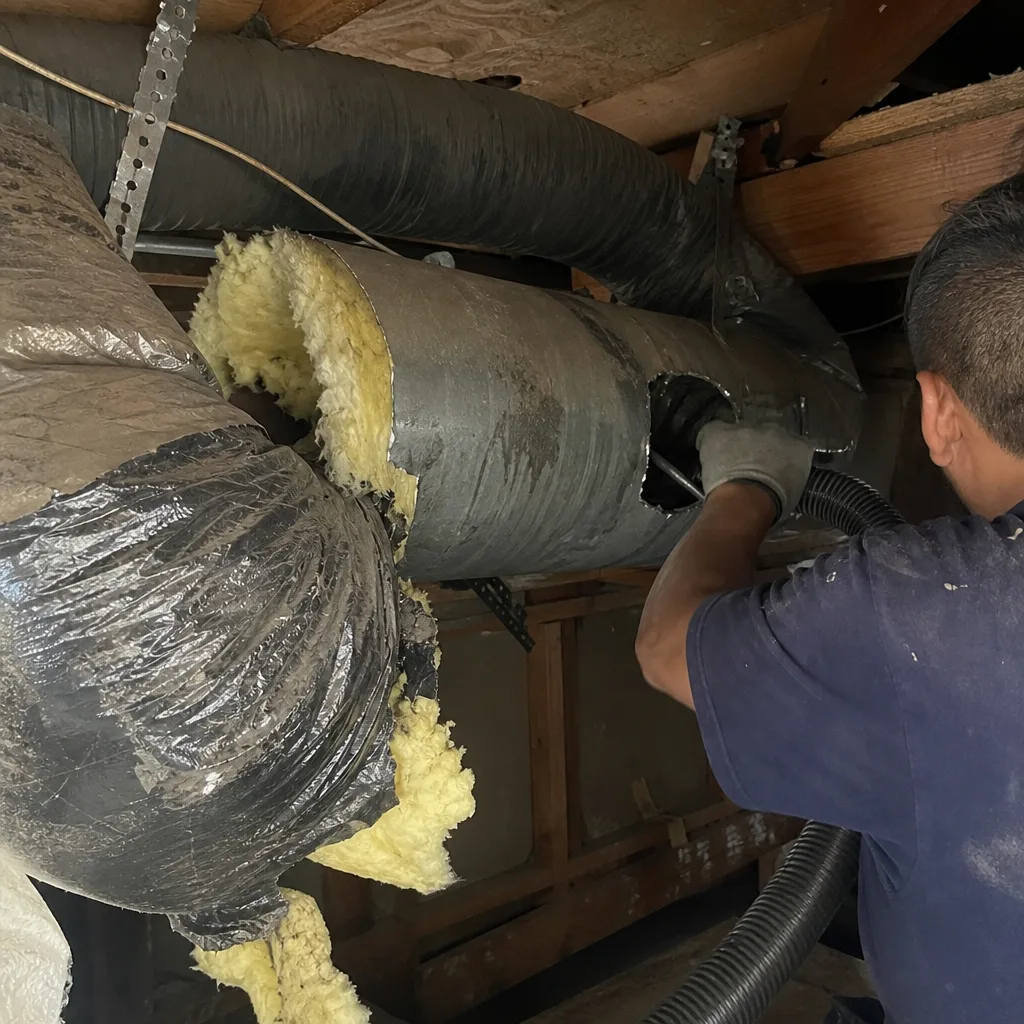 Before
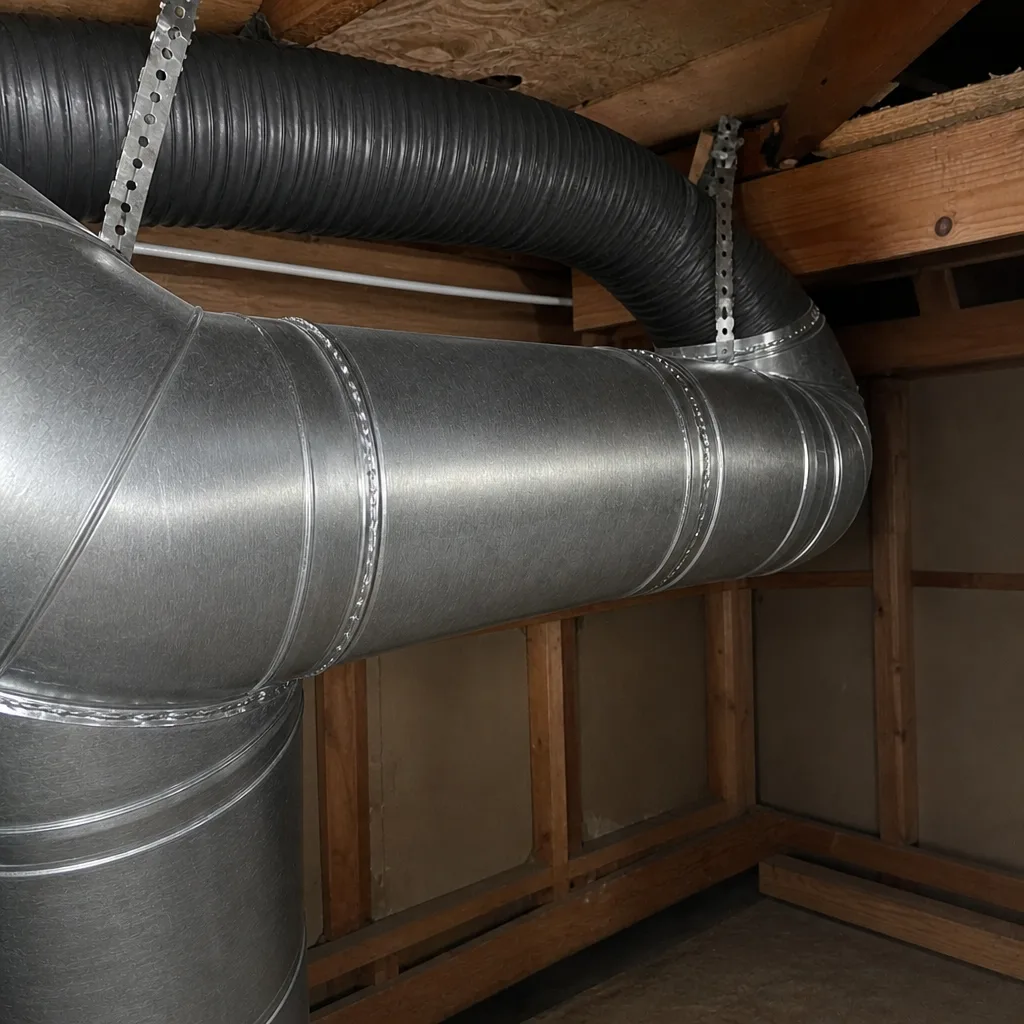 After
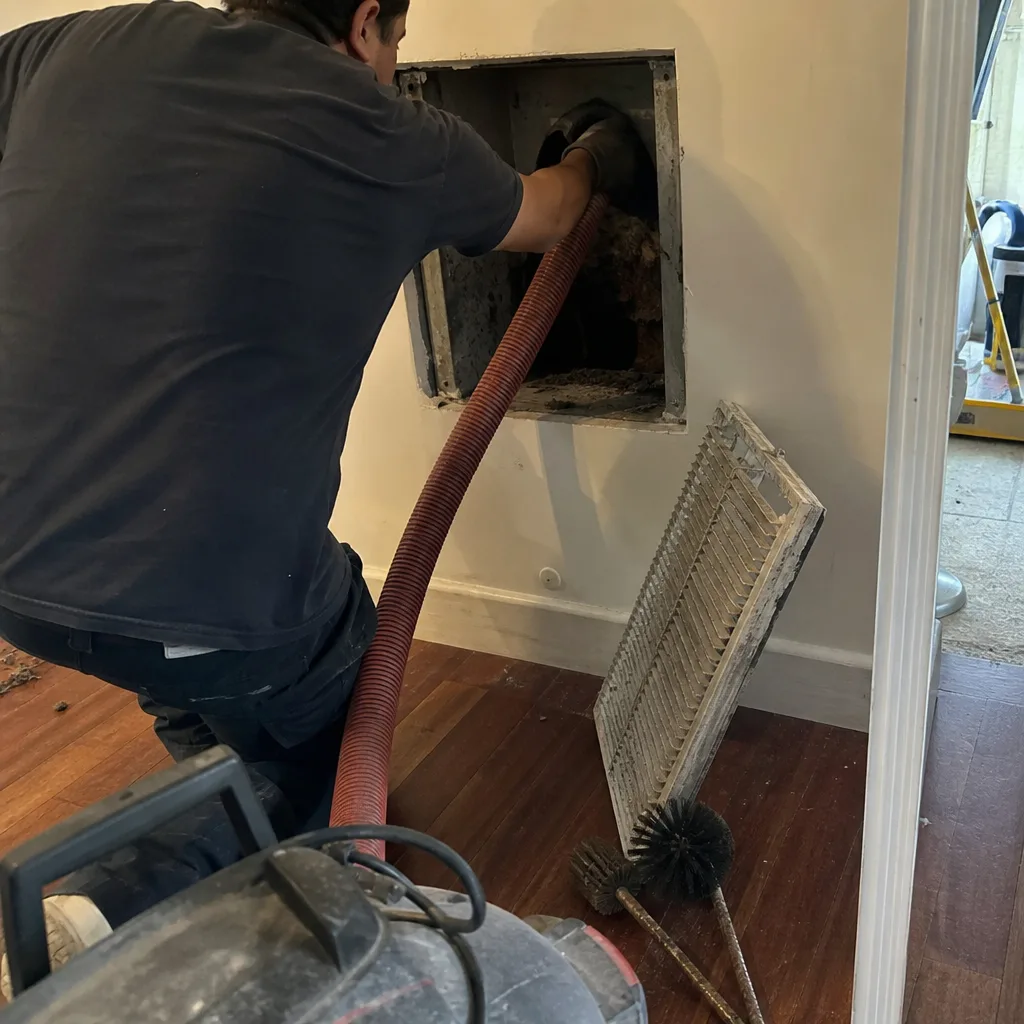 Before
 After
 Before
 After
When to Call a Professional
Call when you’ve noticed one or more of the early warning signs in this guide: temperature gaps between rooms, a filter loading faster than its rated interval, rising bills without a usage change, or a musty smell every time the system starts. Call if you’ve found attic dust or insulation fibers on a filter, sagging or disconnected flex duct in the attic, or a dryer that’s taking longer to dry a load. Call if you’re a property manager and you’re seeing these signs across more than one unit in the same building. Air Duct Cleaning Downtown Santa Ana offers free estimates in Downtown Santa Ana; call (866) 545-1338. We answer 24/7 and dispatch from 7am to 7pm, Sunday through Friday.
Frequently Asked Questions
The earliest signs are usually uneven room temperatures, a filter that loads faster than its rated interval, and rising utility bills without a change in usage. Visible dust at registers and a musty odor tend to show up later, once contamination has reached the air handler and coil. If you notice any of the early signs, schedule an inspection before it escalates.
Duct cleaning is priced per system, not per vent, and the final price depends on system size, access, and whether repair or sealing is needed. The written estimate you get after an inspection sets the price. We don’t quote per-vent teaser prices because the real cost comes from the whole system. Call (866) 545-1338 for a free estimate.
A very low quote usually means a single-truck service that brushes the trunk lines, skips the branch runs, doesn’t scope the coil, and doesn’t seal leaks. You get the appearance of clean ducts and the same contamination in the parts that matter. Ask what’s covered before you book, and insist on a flat price per system agreed in writing. Call (866) 545-1338 to see what a proper scope looks like.
Before-and-after photos of your own duct system are the standard we work to. A professional inspection produces camera footage of the interior before and after, plus a written summary of what was found. Ask for both. If a contractor can’t show you the inside of your own ducts, you don’t have proof of the work. Call (866) 545-1338 for a free estimate that includes a scope.
No. A musty smell in the ducts almost always means biological growth on a surface inside the system, usually near the evaporator coil or in a return plenum. A fogger without mechanical removal wets the growth and leaves the food source behind. The fix is mechanical removal of the growth followed by cleaning and sanitizing the surrounding surfaces. If you’re smelling musty air every time the AC runs, get it inspected. Call (866) 545-1338 for a free estimate.
There’s no fixed interval that applies to every home. Inspect on warning signs, after major work like a new HVAC system or renovation, or if you’ve had water intrusion. Homes with pets or a history of moisture issues benefit from a shorter inspection interval. If you’re seeing any of the signs in this guide, that’s your signal. Call (866) 545-1338 for a free estimate.
The Bottom Line
Dust blowing out of a register is the warning sign everyone waits for, and by then the job is bigger than it needed to be. The earlier signals (temperature gaps, filter loading, quiet bill creep, faint odors in one room) are the ones that save you from a cleaning-plus-repair-plus-air-quality bill instead of a straight cleaning. In Downtown Santa Ana’s older housing stock, watch the attic flex duct and the collar joints, because those are the two places a small leak becomes a large problem. If you’ve noticed any of these signs, an inspection is the cheapest next step you can take. Our technicians have up to 10 years of experience and we use professional-grade Rotobrush, Nikro, and Abatement Technologies equipment because the diagnosis has to be as serious as the cleaning.
Contact
Ready for an inspection or want a free estimate on cleaning, repair, or air quality work for your Downtown Santa Ana home? Call (866) 545-1338 for a free estimate. We answer 24/7. Fast dispatch from 7am to 7pm, Sunday through Friday. One flat price per system agreed before work starts, before-and-after photos of your own ducts, and a single accountable contractor for the entire air system.
Written by the team at Air Duct Cleaning Downtown Santa Ana.